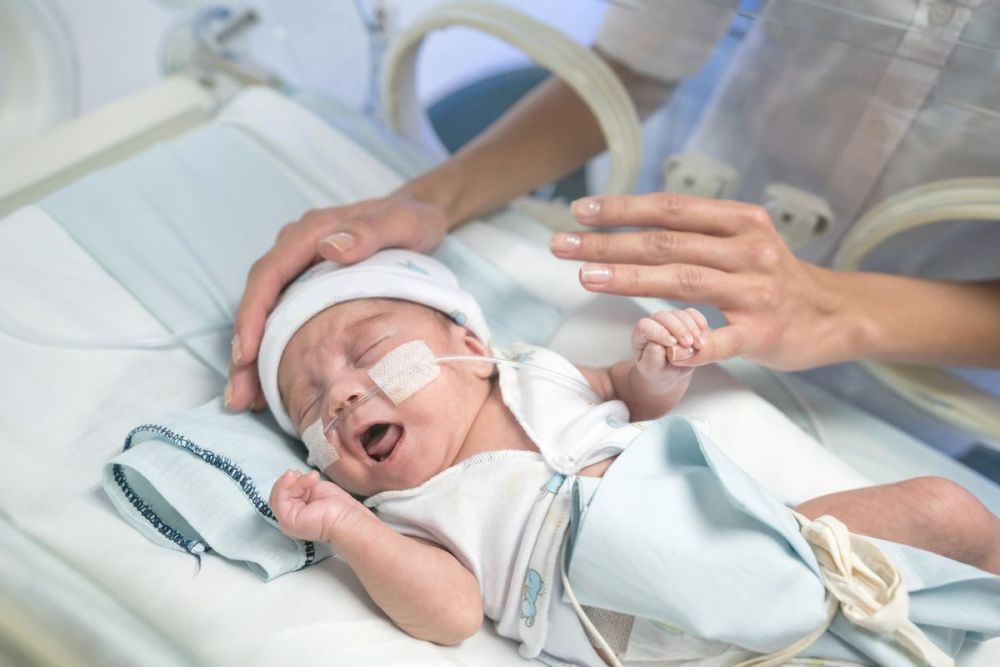
The proportion of babies born with low birth weight in Rwanda has risen to 8.8%, with second- and third-born children recording the highest rates, according to the 2025 Rwanda Demographic and Health Survey (RDHS).
The rate of low birth weight, defined as weighing less than 2.5 kilograms at birth, increased from 6.9% in 2019–2020. It stood at 6.3% between 2012 and 2015 and 6.2% in 2010.
Birth weight is an important indicator of a newborn’s health and can provide insight into a child’s chances of healthy growth and development.
The latest findings show that birth weight is associated with several factors, including birth order, maternal education, household wealth, place of residence and the mother’s age.
Second- and third-born babies record highest rate
The survey found that 10.1% of second- and third-born babies weighed less than 2.5kg at birth, compared with 9.1% of firstborn children.
The findings suggest that birth order is one of the factors associated with the likelihood of a baby being born with low birth weight.
Maternal education also shows a marked difference. About 15% of babies born to women with no formal education weighed less than 2.5kg, compared with 3.5% among babies whose mothers had completed secondary education or higher.
The survey also found differences in how mothers perceived the size of their children. Among women with no formal education, 22.4% described their children as small or very small compared with other children. Among women with higher education, 90.5% reported that their children were of average size or larger.
Wealth and maternal age linked to birth weight
Household economic status was also associated with birth weight.
Among the poorest households, 10.5% of babies were born weighing less than 2.5kg, compared with 5.0% among the wealthiest households.
Maternal age was another factor. Low birth weight was recorded among 5.8% of babies born to mothers younger than 20, 9.2% among mothers aged 20–34 and 8.8% among mothers aged 35–49.
Southern Province records highest rate
The Southern Province recorded the highest proportion of babies born with low birth weight at 10.9%, followed by the Western Province at 9.8%.
Kigali City recorded the lowest rate at 6.7%, followed by the Northern Province at 7.3%.
A clear difference was also observed between rural and urban areas. In rural areas, 9.5% of babies were born weighing less than 2.5kg, compared with 7.3% in urban areas.
The RDHS 2025 findings come amid broader improvements in maternal and child health indicators. The survey reported that 95% of women who had a live birth in the two years preceding the survey received antenatal care from a skilled provider at least once, while 78% had four or more antenatal care visits.
Low birth weight raises health risks
NISR warns that babies born weighing less than 2.5kg face a greater risk of illness and death during early childhood.
Low birth weight is associated with a higher risk of death from common childhood illnesses during the first year of life, compared with babies born at a normal weight.
It is also associated with increased risks of impaired growth and development and, in severe cases, the need for specialised medical care, including intensive care.
The findings underline the importance of continued efforts to improve maternal nutrition, antenatal care and other factors that influence birth outcomes, particularly among women and households facing greater socioeconomic disadvantages.