Rwanda is accelerating the relocation of residents living in disaster-prone areas as authorities prepare for heavier-than-normal rainfall expected during the upcoming rainy season.
The Ministry in Charge of Emergency Management (MINEMA) says it is continuing to move people from areas considered unsafe while strengthening preparedness measures to reduce the impact of floods, landslides and other weather-related disasters.
The move follows a forecast by the Rwanda Meteorology Agency, Meteo Rwanda, indicating that rainfall during the upcoming season could exceed the country’s normal levels.
Meteo Rwanda Director General Aimable Gahigi said the country should expect above-average rainfall as the rainy season begins.
“As we enter the rainy season, rainfall levels are expected to be above what we normally experience,” Gahigi said.
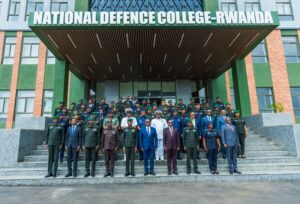
Minister in Charge of Emergency Management Maj Gen Albert Murasira said relocation efforts are ongoing across the country, particularly in areas exposed to disasters.
He said Rwanda is also prepared to mobilise additional resources should severe disasters occur, including through a World Bank financing mechanism that could provide the country with nearly RWF 200 billion.
“If such a situation occurs, although we do not wish for it, we would be able to access those funds and use them to support affected communities, as we did when responding to disasters in 2023,” Murasira said.
Authorities are also stepping up preventive works in areas that have repeatedly experienced disasters.
Along the Kigali-Gakenke-Musanze road, repair and reinforcement works are underway to reduce the risk of damage caused by heavy rainfall and landslides.
Ngirimana Alphonse, who is involved in the works, said drainage channels are being improved to control runoff.
“We have worked on drainage systems to ensure that water is properly channelled and does not overflow onto the road,” he said.
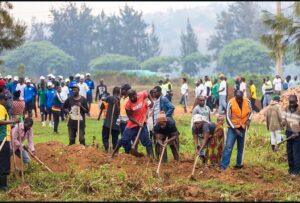
Residents in Kigali’s Kanyinya and Kimisagara sectors say they are also taking precautions ahead of the rainy season.
One resident said community members are improving drainage systems through communal activities to ensure they are prepared for heavy rainfall.
“We are clearing drainage channels so that we are prepared in case of heavy rains,” the resident said.
Another resident said they are clearing erosion-control trenches as part of efforts to minimise the risk of disasters.
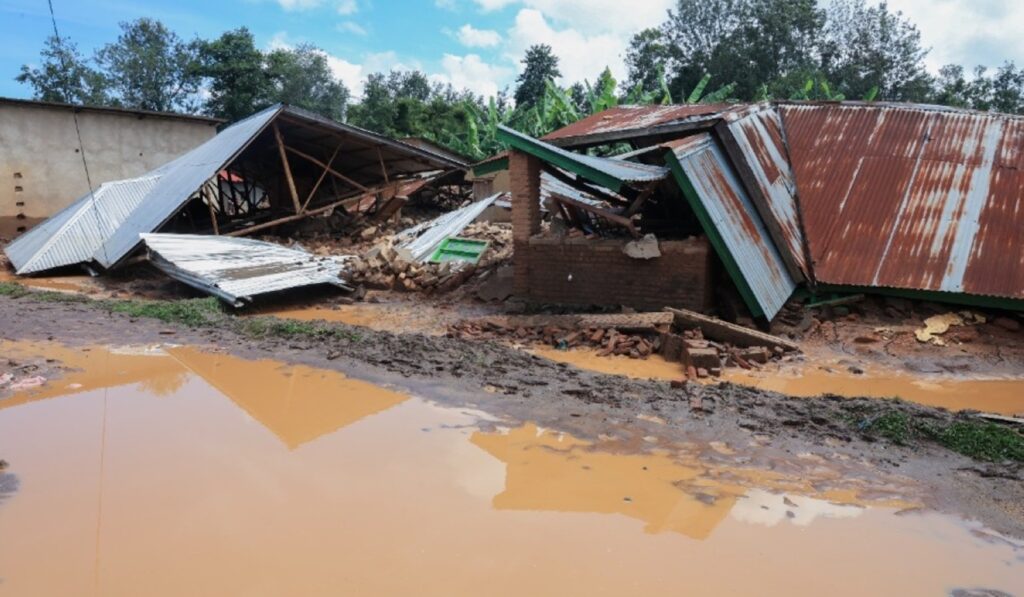
MINEMA figures show that between January 1 and June 8, 2026, disasters killed 140 people and injured 259 others across Rwanda.
The disasters damaged about 1,200 houses and completely destroyed nine others. They also affected 371 hectares of crops and 36 hectares of forests.
A total of 78 cattle and 67 other livestock were killed, while 58 schools, 56 road sections, 41 electricity infrastructure facilities, one health centre, one market, three factories and four places of worship were also damaged.
With heavier rainfall expected, authorities are urging residents in high-risk areas to remain vigilant and follow guidance on relocation and disaster preparedness.