The government has announced a target of ensuring that at least 50 percent of refugee households in Rwanda are no longer dependent on humanitarian assistance by 2030, as part of a broader strategy to strengthen economic inclusion and self-reliance.
The commitment was highlighted on Tuesday, June 30, 2026, by the Minister in charge of Emergency Management, Maj Gen (Rtd) Albert Murasira, during a dialogue on refugee economic empowerment held ahead of World Refugee Day 2026.
The event was organised by the Ministry in charge of Emergency Management (MINEMA) in partnership with the United Nations High Commissioner for Refugees (UNHCR) in Rwanda, bringing together government officials, private sector actors, development partners, diplomats, refugees and civil society organisations.
Participants discussed ways to expand access to livelihoods and improve the integration of refugees into Rwanda’s economic systems through stronger collaboration between government, the private sector and international partners.
Maj Gen (Rtd) Murasira said Rwanda is increasingly seeing refugees engage in income-generating activities, including entrepreneurship and formal employment in both public and private institutions.
He said these efforts are intended to complement humanitarian support, which remains limited, and to gradually reduce long-term dependence on external aid.
The minister stressed that coordinated action among stakeholders is essential to improving living conditions and advancing sustainable self-reliance among refugee communities.
He pointed to the National Refugee Development and Self-Reliance Strategy (2025–2030), developed by the Government of Rwanda in partnership with UNHCR, as a key framework guiding the integration of refugees into national social and economic systems.
Murasira also commended private sector institutions already providing employment and business opportunities to refugees, calling for broader participation to accelerate progress toward the 2030 target.
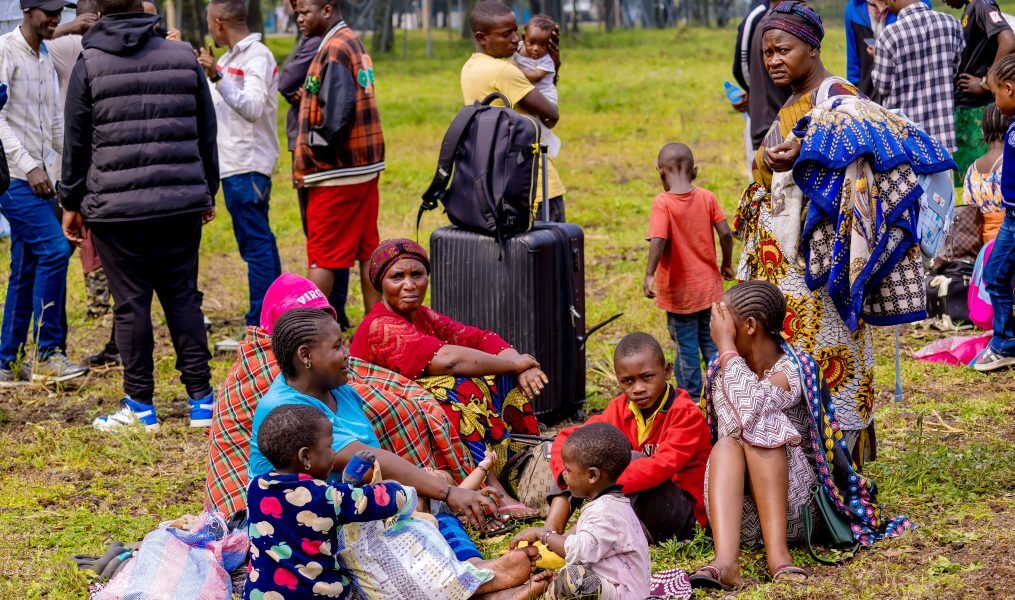
Rwanda currently hosts more than 136,000 refugees, the majority from the Democratic Republic of Congo and Burundi. They are accommodated in five main camps—Mahama, Nyabiheke, Kigeme, Mugombwa and Gihembe—as well as in urban areas, including Kigali.