Health authorities in Rwanda tested 3,266 people suspected of having contracted Ebola between May and early August 2026, but none was found to have Ebola or Marburg virus.
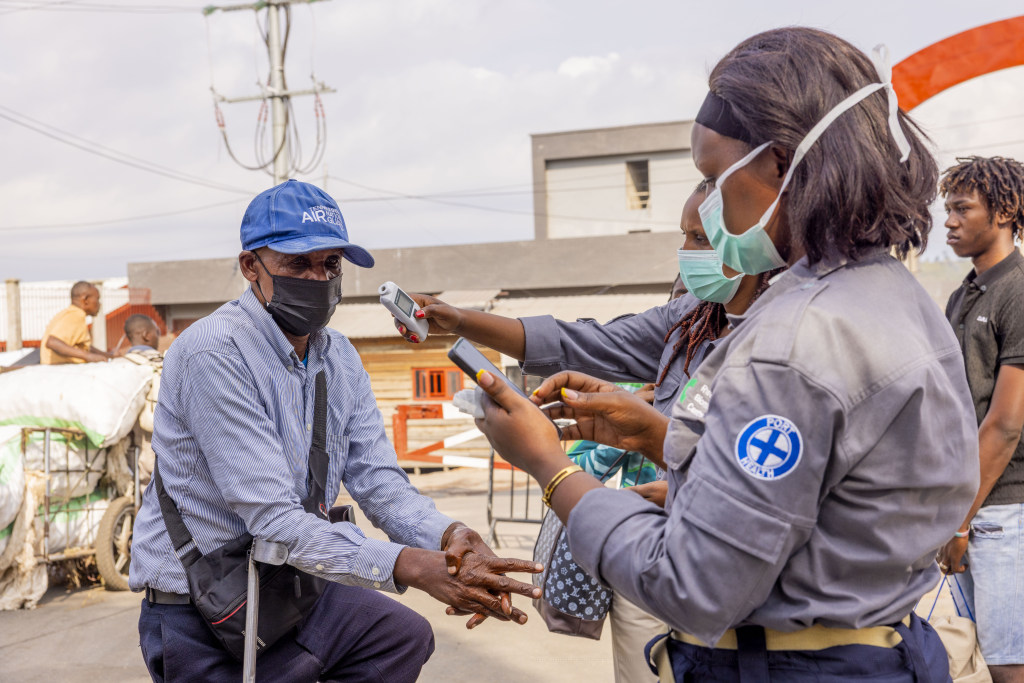
A report by the Rwanda Biomedical Centre (RBC) indicates that during the same period, the country also monitored information on more than 500,000 travellers who entered or transited through Rwanda, using a digital surveillance system designed to identify potential exposure to infectious diseases at an early stage.
The measures were part of efforts to prevent the spread of the Bundibugyo Ebola virus outbreak, which had been reported in neighbouring countries, into Rwanda.
The outbreak was officially declared by the Democratic Republic of Congo (DRC) on May 15, 2026, after laboratory tests confirmed cases of the disease caused by the Bundibugyo virus. Uganda also confirmed an infection in a patient who had travelled from the DRC.
On May 17, 2026, the World Health Organization (WHO) declared the outbreak a Public Health Emergency of International Concern (PHEIC), citing its severity and the risk of further international spread.
The WHO said the outbreak had raised serious concerns because a significant number of suspected cases and deaths had already been reported in its early stages, while the virus had also spread from the DRC into Uganda.
To prevent the virus from entering Rwanda, the Ministry of Health announced on May 22, 2026, that it was strengthening health screening at border crossings with the DRC and at Kigali International Airport.
At the time, Rwanda restricted entry to foreign nationals who had entered or transited through the DRC within the previous 30 days. Rwandan citizens and foreign nationals holding valid residence permits were allowed to enter, but were required to undergo quarantine in accordance with health authorities’ guidelines.
The Ministry of Health also emphasised that no Ebola case had been reported in Rwanda, urging the public to continue observing preventive measures and report any symptoms suspected to be linked to the outbreak.
Rwanda also relied on its existing disease surveillance systems to monitor potential outbreaks, trace people who might have been exposed to infected individuals and coordinate the response among different institutions.
RBC worked with neighbouring countries and international partners to share information and strengthen emergency response capacity in case a patient was identified.
A report by the DRC’s National Institute of Public Health (INSP), published on November 27, 2026, shows that as of November 26, a total of 12,176 cases of Bundibugyo Ebola had been confirmed in the country, with 5,978 deaths recorded.
The report also documented 87 newly confirmed cases and 35 additional deaths in data collected on that day.
The figures highlight the severity of the outbreak, which has continued to affect eastern DRC, particularly Ituri and North Kivu provinces.
On August 28, 2026, the WHO reported that by August 12, the Bundibugyo virus had spread to 55 health zones in the DRC, with active transmission still being reported in 49 of them.
A WHO report assessing countries’ preparedness to respond to Ebola during the third quarter of 2026 gave Rwanda a score of 94% across various preparedness indicators.
This placed Rwanda among the countries with the highest level of preparedness to respond to an outbreak among those sharing borders with the DRC.