Kayonza District authorities have announced that 23,000 households have begun receiving food assistance after suffering major crop failures caused by prolonged drought.
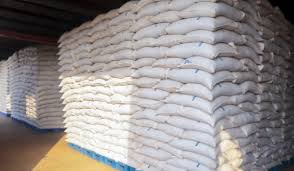
According to officials, the affected families—97,951 people—are located in the sectors of Rwinkwavu, Ndego and Mwili. They have received 791,000 kilograms of maize flour and 325,000 kilograms of beans.
Amos Dusengimana, a father of three and one of the drought-affected residents, said many families were hit hard and had been waiting for external support. He emphasized the urgent need for irrigation systems to prevent future food shortages.
“There is a need for irrigation in this district so we can cope with drought and ensure families have enough food,” he said.
Reports of severe hunger in parts of Kayonza have raised concerns across the district.
On 7 November this year, the district council dismissed mayor John Bosco Nyemazi, vice mayor in charge of economic affairs Hope Munganyinka and vice mayor in charge of social affairs Jean Damascene Harelimana over poor service delivery.
Doreen Kalimba, president of the Kayonza district council, stated that their dismissal was linked to the administration’s failure to find adequate solutions for residents affected by hunger.
Kalimba explained that the most affected households live near Akagera National Park, where residents have been receiving emergency food supplies provided in partnership with district development partners as broader solutions are being sought.
According to The New Times, food distribution began on 30 November 2025, with beneficiaries receiving beans and maize flour.
Not all parts of Kayonza are affected
Agnes Mukamana, president of Koisorwa Cooperative, which grows maize and soya in Murundi sector, told The New Times that while they experienced a short dry spell, rains eventually returned and farmers harvested successfully.
She said the cooperative produced 30 hectares of maize and that some farmers had a good beans harvest, with others already consuming early-maturing varieties.
Mukamana noted that farmers in their marshland rely on solar-powered irrigation systems provided with government support.