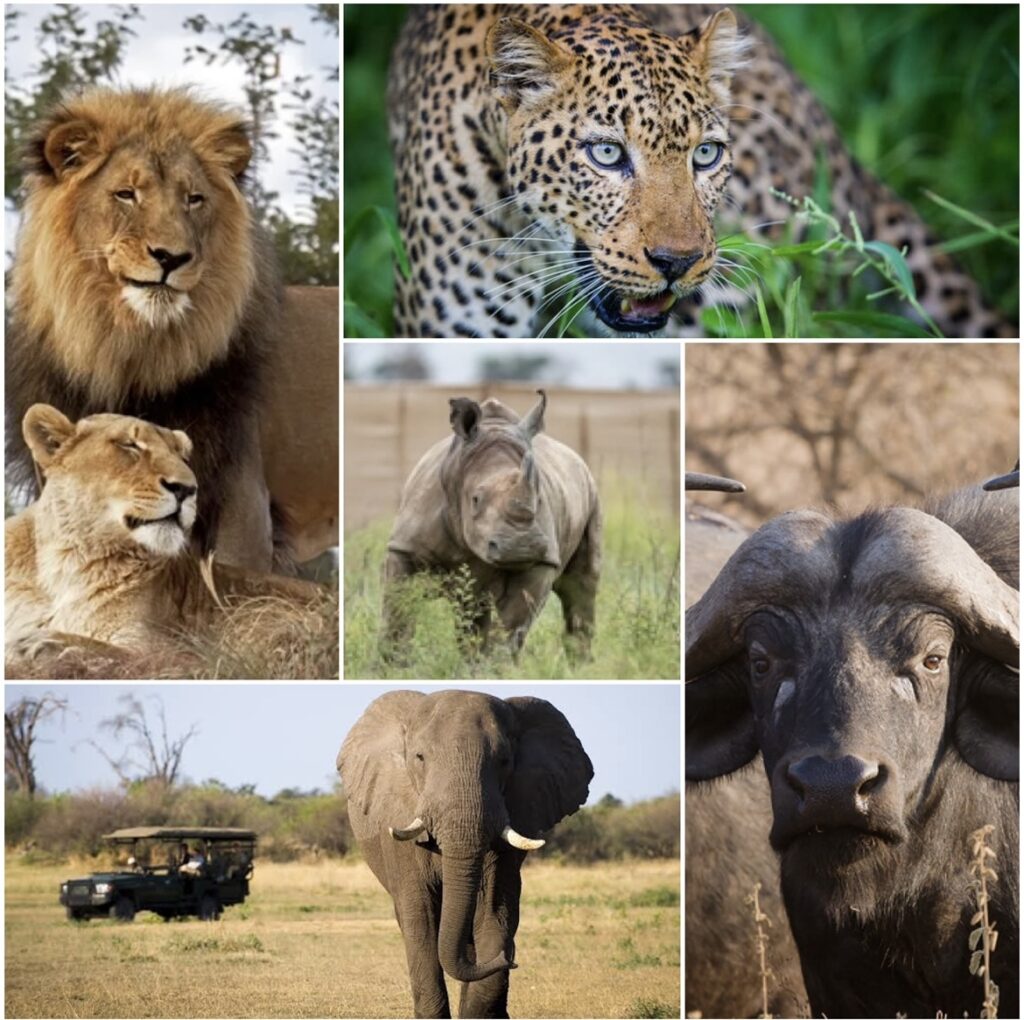
The term Big Five is among the most familiar expressions in African wildlife tourism, yet its origin is often misunderstood. It was never a reference to the animals’ size.
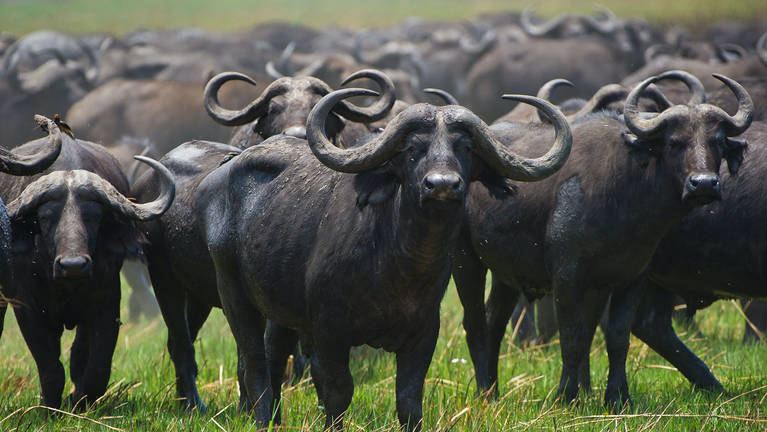
Instead, during the colonial hunting era, the phrase described the five most dangerous and difficult animals to hunt on foot: the lion, elephant, Cape buffalo, leopard and rhinoceros.
They were feared not only for their strength but also for their unpredictability and their fierce defence when wounded.
In Rwanda, this once grim hunting term has taken on a completely new meaning. Particularly in the years following the 1994 Genocide against the Tutsi, the country redefined the Big Five as symbols of national revival, ecological recovery and responsible conservation.
What was once associated with danger and exploitation is now a story of protection, stewardship and pride.
Akagera National Park stands at the centre of this dramatic transformation. After the genocide, wildlife numbers collapsed as poaching, insecurity and encroachment ravaged the park.
Lions and rhinos vanished entirely. The situation began to shift in 2009 when the Rwanda Development Board entered a long-term management agreement with African Parks.
This partnership strengthened law enforcement, introduced modern security measures such as a canine unit and helicopter patrols, and prioritisedcommunity involvement to reduce human–wildlife conflict.
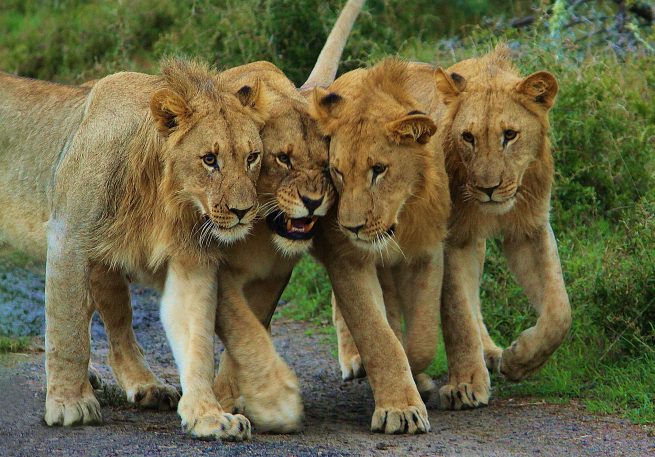
The result was one of the most celebrated conservation turnarounds in Africa. Lions were reintroduced in 2015 with seven individuals brought from South Africa, and their population doubled within a year.
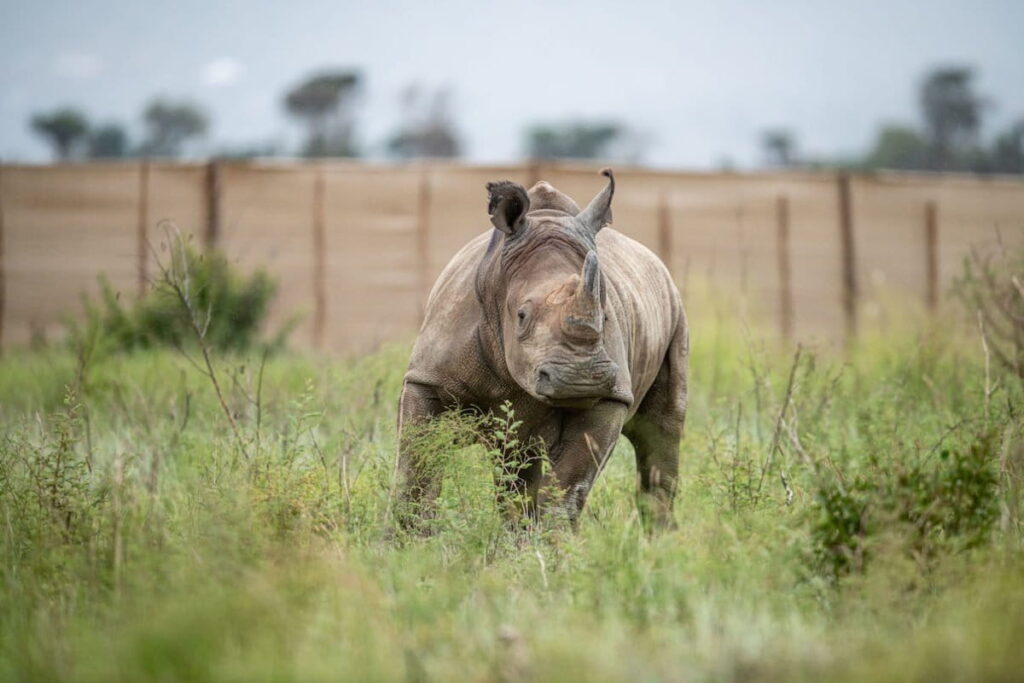
Black rhinos returned in 2017 after a decade of absence, followed by additional animals from European zoos in 2019 to improve genetic diversity.
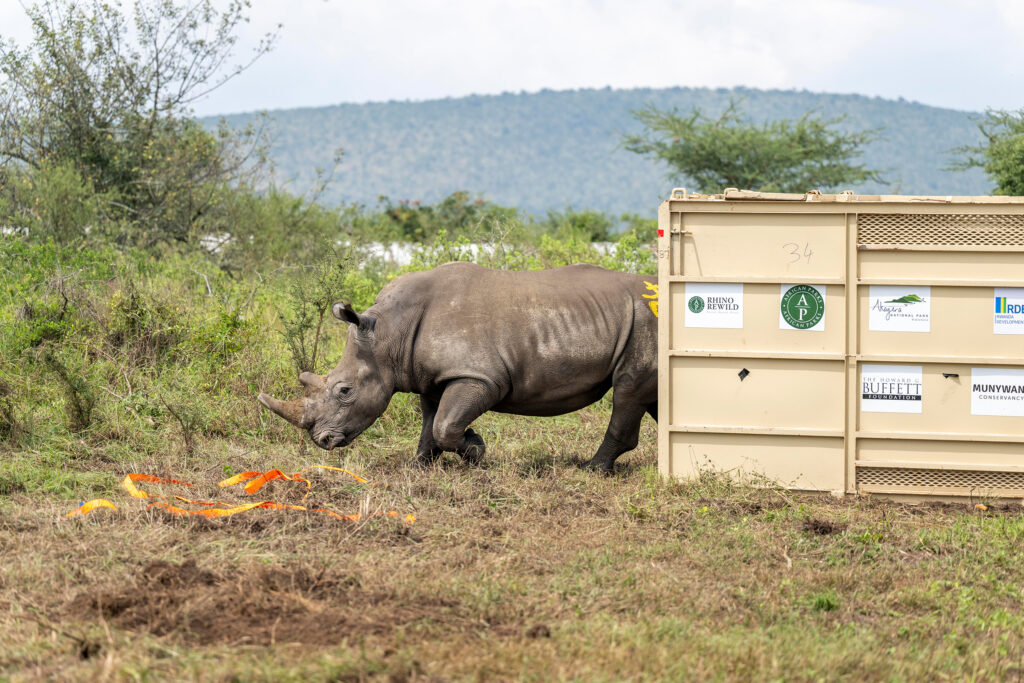
In 2021, the largest single translocation of white rhinos in history brought the species to Akagera, restoring the park’s status as a complete Big Five destination.
Today, wildlife populations have surged from fewer than 5,000 animals in 2010 to nearly 12,000, positioning Rwanda among the continent’s top safari locations.
The modern meaning of the Big Five in Rwanda goes far deeper than their appeal to tourists. They represent the country’s success in restoring biodiversity and protecting ecosystems through effective management and strong anti-poaching initiatives.
They also symbolise the growing partnership between conservation authorities and surrounding communities, who now benefit from tourism revenue, employment opportunities and development projects that encourage coexistence.
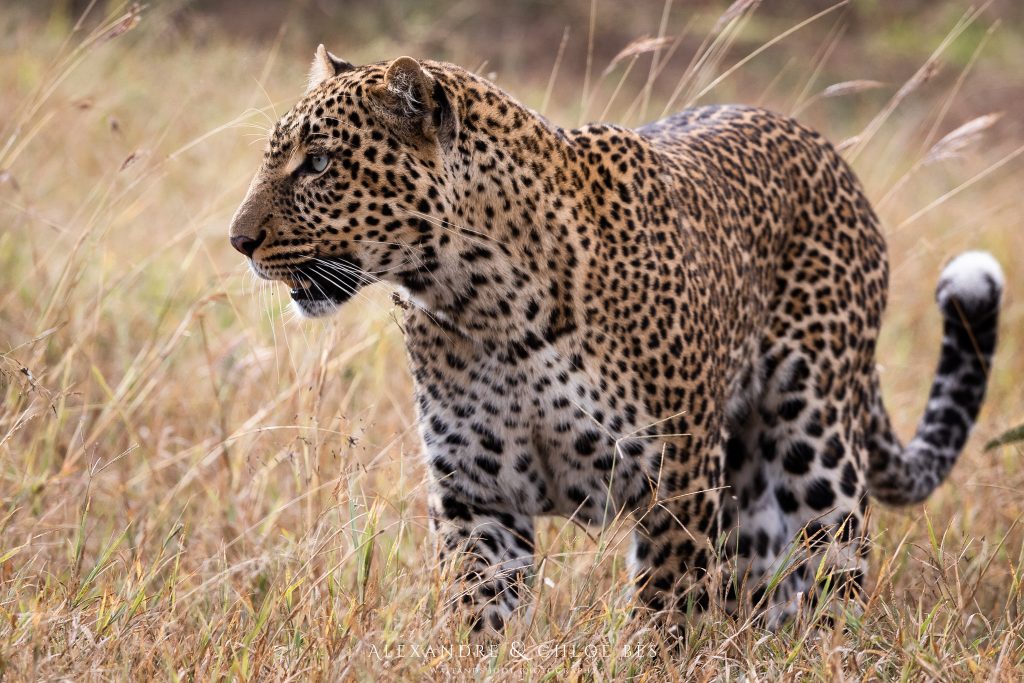
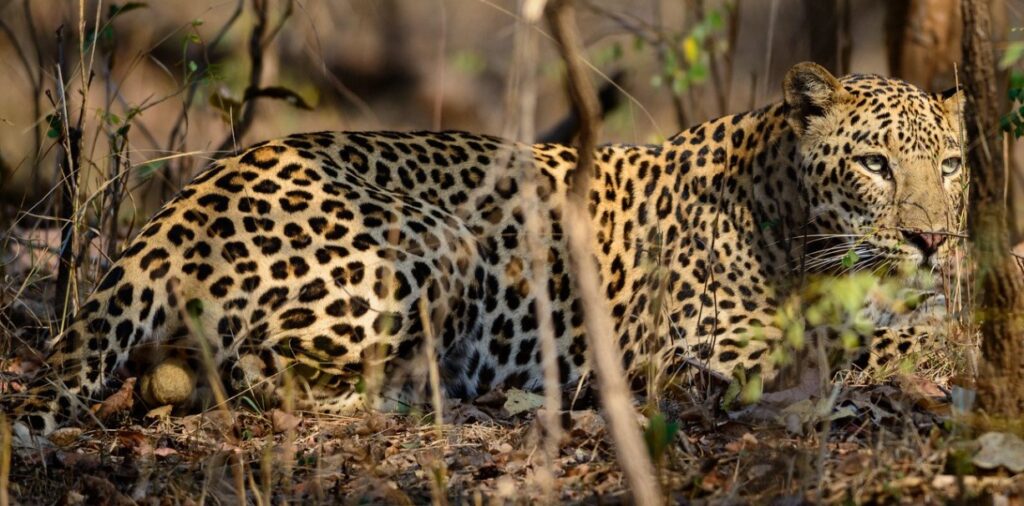
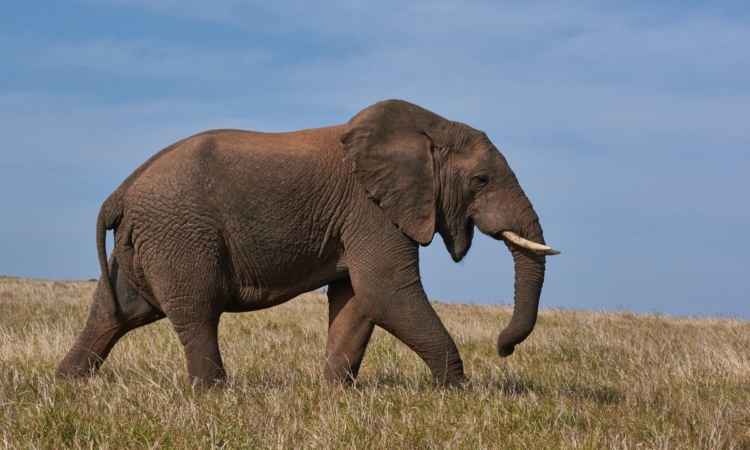
These animals carry cultural significance as well. In Rwandan tradition, the lion is associated with courage, the elephant with strength and memory, the buffalo with resilience, the leopard with intelligence and stealth, and the rhino with rarity and protection.
Rwanda’s tourism approach blends these cultural meanings with modern conservation practices, giving visitors an experience rooted in both heritage and environmental responsibility.
At a national level, the return of these apex species mirrors Rwanda’s own journey of recovery and resilience.
Once defined by the difficulty of hunting them, the Big Five are now recognised as some of the country’s most protected and respected animals—powerful symbols of rebirth, ecological renewal and a long-term commitment to safeguarding natural treasures for future generations.