When hunger tightened its grip on parts of Kayonza District late last year, it did more than dry up crops and empty granaries, it toppled an entire district leadership and exposed the fragile balance between climate shocks, governance, and survival in eastern Rwanda.
On December 7, 2025, Kayonza District Council took the rare step of dismissing the Mayor and two Vice Mayors, accusing them of failing to act as residents slid into hunger, even as food reserves reportedly sat unused.
For families in the drought-hit sectors of Ndego, Rwinkwavu, Kabare, Murama, and Mwiri, the decision came after months of watching crops wither under relentless sunshine.
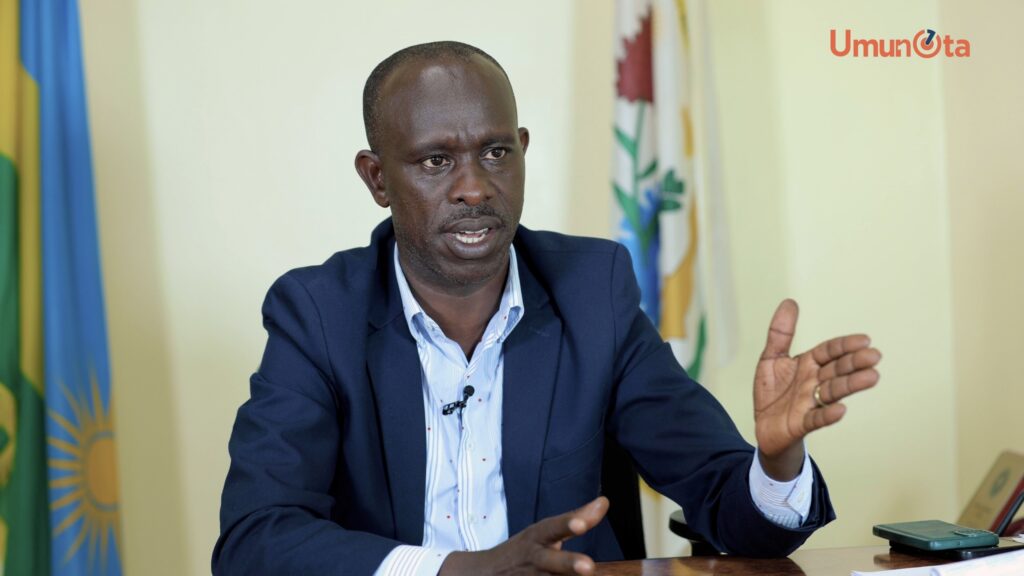
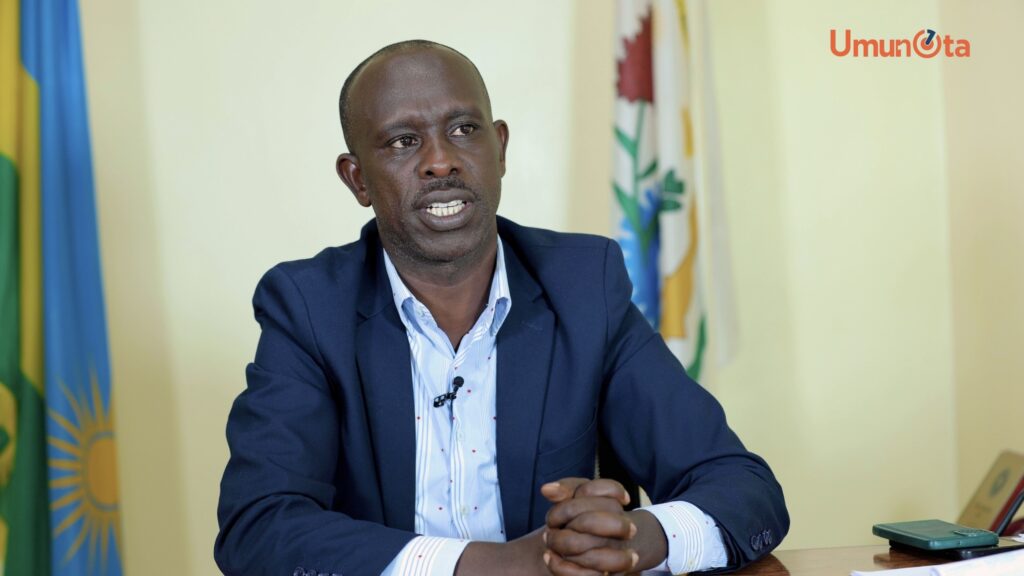
Today, the district’s acting mayor, Fred Hategekimana, says the crisis has become a turning point, forcing authorities to respond not only with emergency aid, but with long-term solutions.
“We had nothing to harvest”
In Mbarara I village, Rwinkwavu Sector, Musengimana Marie walks through fields that should have been green with beans and maize. Instead, the soil is dry and bare.
“This season failed completely,” she says. “The beans dried up, the maize too. There is nothing we will harvest.”
Like many others, Musengimana received food assistance including beans and maize flour twice. It helped her family survive, but it did not restore hope.
“We were supported, yes. But we still fear the sun,” she says quietly.
Her neighbor shares the same anxiety. Rain fell briefly after they planted sorghum, but it didn’t last.
“The sun returned,” the farmer says. “We no longer believe life will be like before, when we harvested enough. But the authorities are like parents, we trust they will not abandon us.”
For Nsengimana Laurent, the drought translated directly into debt. He rented farmland for Rwf 70,000 and planted 12 plots of beans. He harvested nothing.
“I lost everything,” he says. “Now I am trying sorghum, just to see if I can recover some of the money.”
Hunger that shook leadership
According to district officials, the hunger crisis escalated to the point where some residents began migrating in search of food, an alarm that triggered political consequences.
Acting Mayor Hategekimana acknowledges that hunger was real and severe in some sectors, but says the response was swift once the problem was formally identified.
“We immediately distributed food to affected households, enough to last 45 days,” he told UMUNOTA. “But food aid alone is not a solution.”
Beyond emergency relief, the district began distributing drought-tolerant crops, including sweet potato vines and cassava cuttings. With recent rainfall, officials say many of these crops have taken root.
“You can now see the sweet potato vines growing well,” Hategekimana says. “That gives us confidence.”
Tree nurseries have also been prepared, with agroforestry promoted as a way to restore soil moisture and reduce long-term drought risk.
A Rwf 90 billion promise
For residents of Ndego Sector, long considered the epicenter of Kayonza’s drought problem—the most significant promise lies in a large-scale irrigation project.
The government has announced plans to invest more than Rwf 90 billion to irrigate 2,487 hectares in Ndego, using water from Lake Kibare, which lies along the Rwanda–Tanzania border. The project is expected to begin by the end of February.
“This is a permanent solution,” Hategekimana says. “It will help us fight drought sustainably, increase production, and create jobs.”
The project, known as KIIWP (Kayonza Irrigation and Integrated Watershed Management Project), has already transformed livelihoods in other parts of the district. Fruit trees planted under the program are now being harvested and sold, lifting household incomes.
“In areas where KIIWP operates, hunger is no longer the issue it used to be,” the acting mayor says.
Terracing works have also begun in Kabare and Murama sectors, offering short-term employment while improving land productivity.
Between survival and waiting
Despite these plans, many residents say the help has not yet reached everyone.
In Ndego and Rwinkwavu, families continue to rely on food aid and short rains, waiting for irrigation canals that could change everything.
For now, hunger in Kayonza is both a lived reality and a political lesson, one that cost leaders their jobs and forced a reckoning with climate vulnerability.
As Musengimana Marie looks toward the sky each morning, she says her hope rests on action, not promises.
“If water reaches our fields,” she says, “we will feed ourselves again.”
Until then, survival remains a daily struggle under the sun.