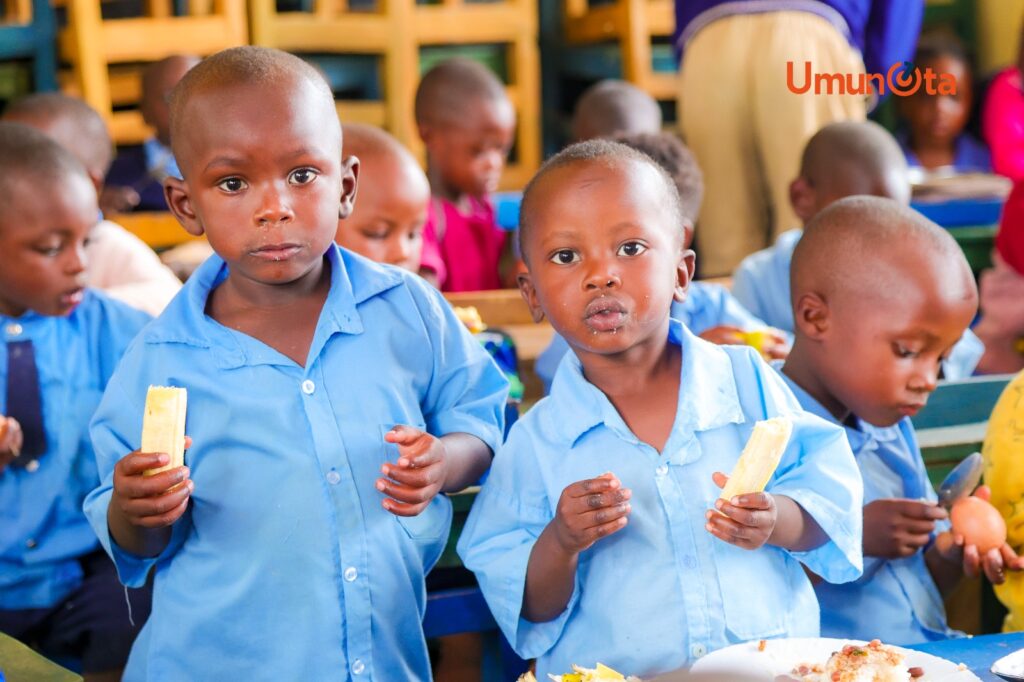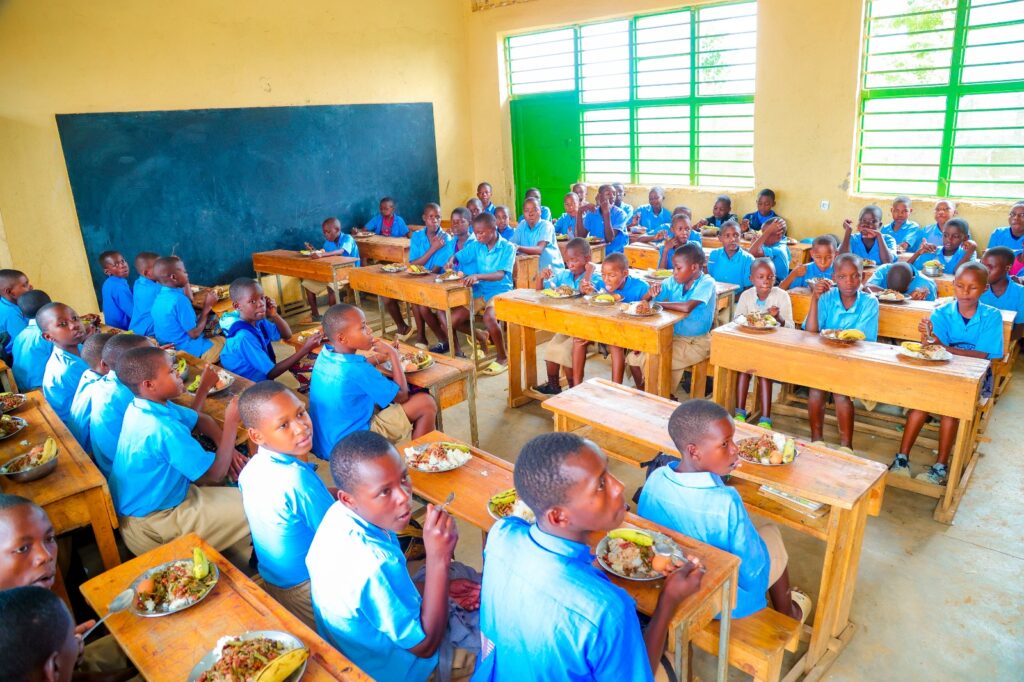
Hunger is no longer a major reason for children dropping out of school in Rwanda, thanks to targeted interventions under the Zero Out of School Children programme, officials have said.
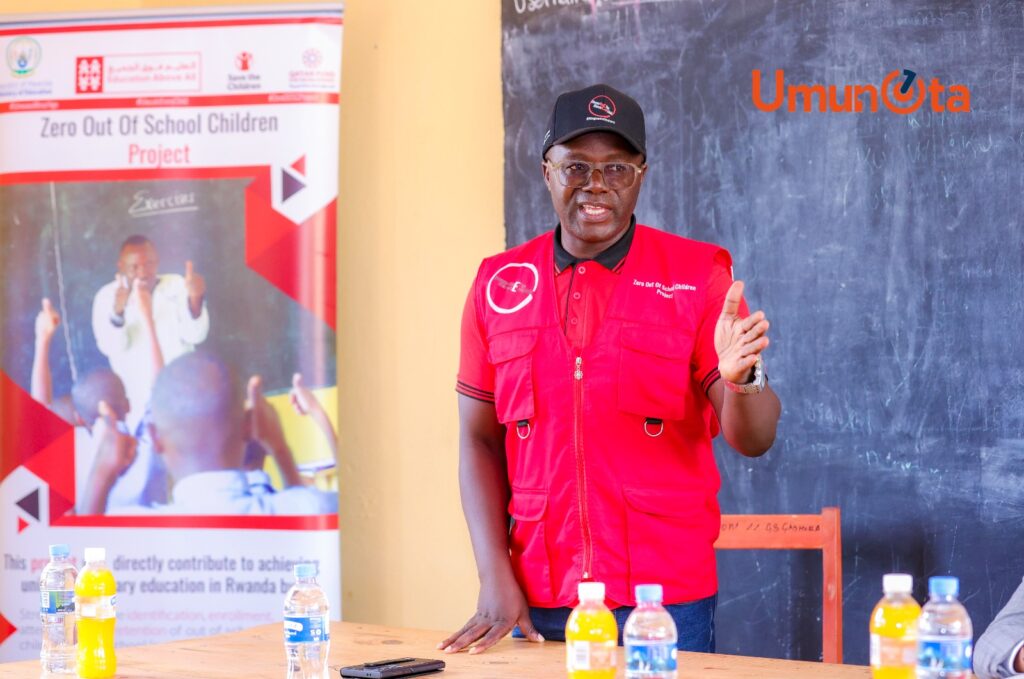
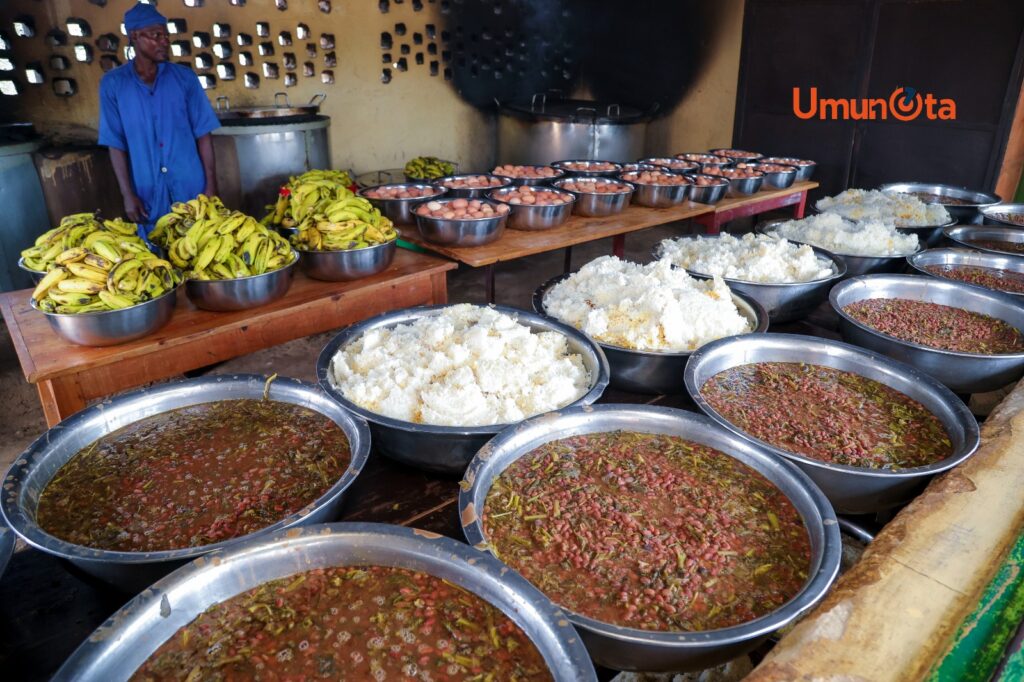
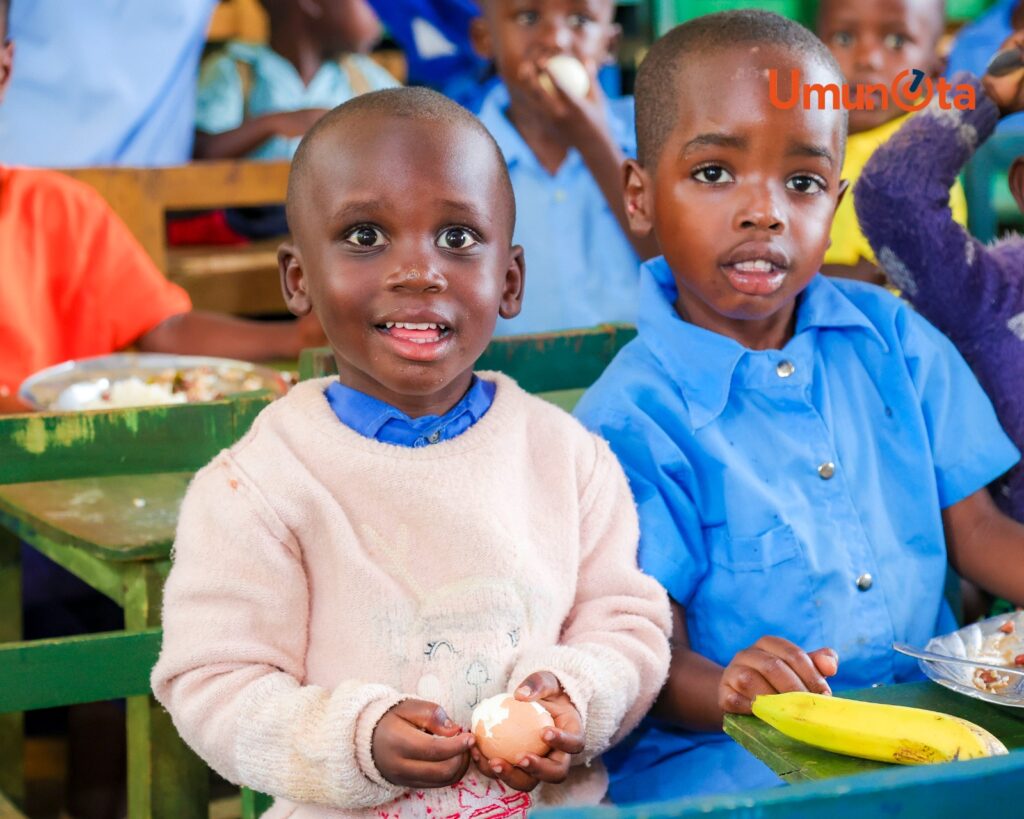
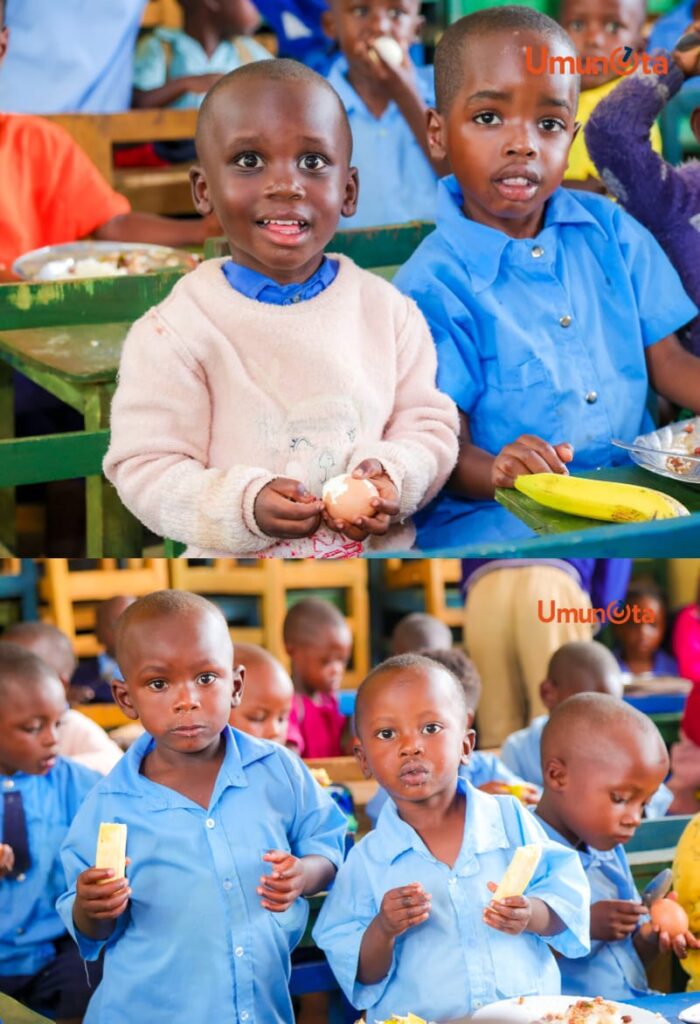
The programme’s director, Paulin Ndahayo, said school feeding has proved critical in keeping children in class, especially those from poor households unable to afford the parental contribution required for meals.
He said the initiative supports the government’s school feeding policy to ensure that no child misses school because of hunger.
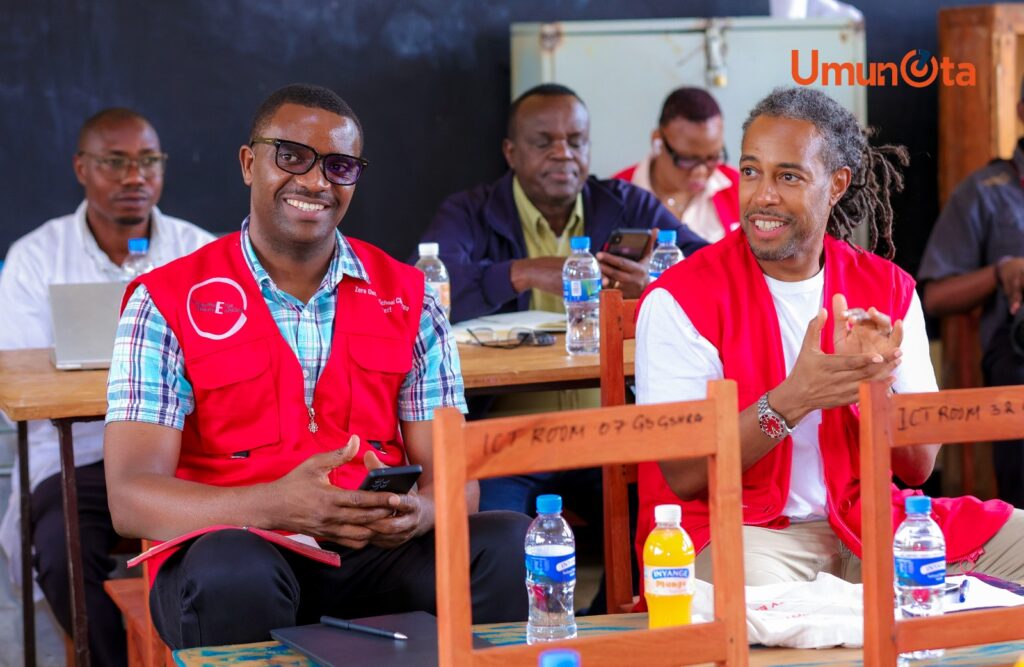
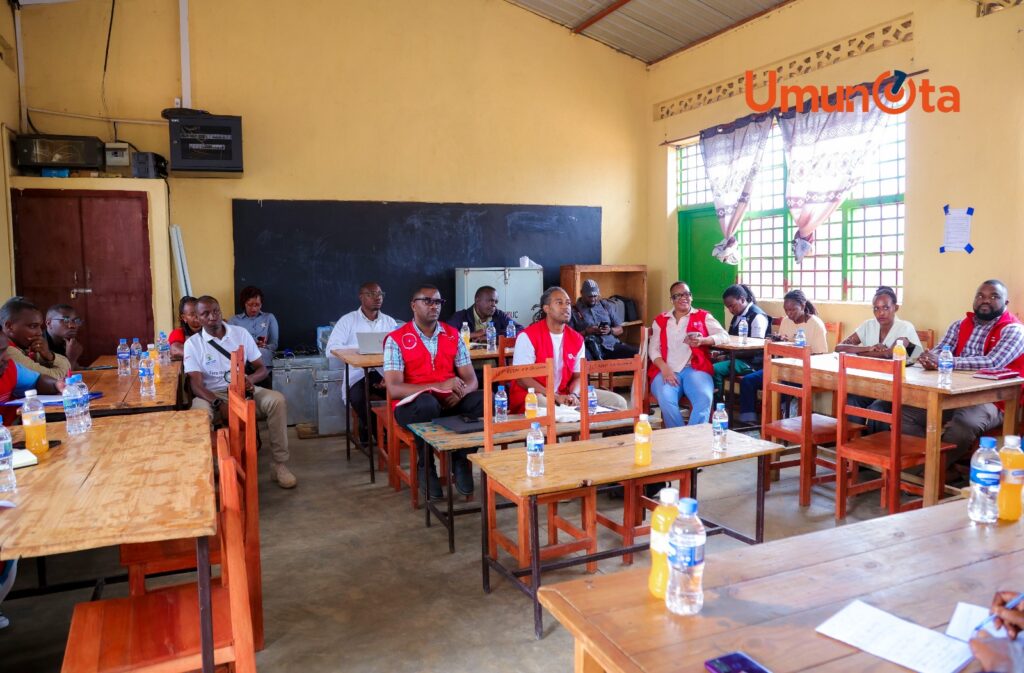
Ndahayo was speaking on Tuesday, January 20, 2026, during a joint visit by the Ministry of Education, the Zero Out of School Children project and its partners to GS Gashora in Bugesera District.
Implemented in partnership with Save the Children and funded by Education Above All (EAA), the project is helping to return children to school by addressing key drivers of dropout, including the inability to pay for school meals.
“There are families that genuinely cannot afford the required contribution, which is about Rwf 900, and this often forces children out of school,” Ndahayo said, adding that school feeding remains a priority intervention.
The head teacher of GS Gashora, Claudette Umutesi, said the programme has improved learning outcomes, as learners now attend classes regularly and concentrate better without the distraction of hunger.
Despite progress, challenges remain in reintegrating older children who feel embarrassed studying with younger pupils. Ndahayo said tailored accelerated learning programmes are being developed to help such learners complete primary education in a shorter time and transition to vocational training.
Joseph Kayonga Nkuranga, Executive Secretary of Bugesera District, said some children still drop out after engaging in income-generating activities such as small trade and mining. He noted, however, that district authorities continue tracking and returning them to school.
Bugesera previously had about 4,000 out-of-school children, but many have since been reintegrated through coordinated efforts with partners, he said.
According to the Ministry of Education, more than four million children currently benefit from the national School Feeding Programme, launched in 2019. The Zero Out of School Children project has complemented these efforts by supporting families unable to meet meal costs.
Education Above All operates in 37 African countries, including Rwanda, and has invested USD 22 million—over Rwf 30 billion in the Zero Out of School Children programme to tackle the root causes of school dropout and bring learners back to class.