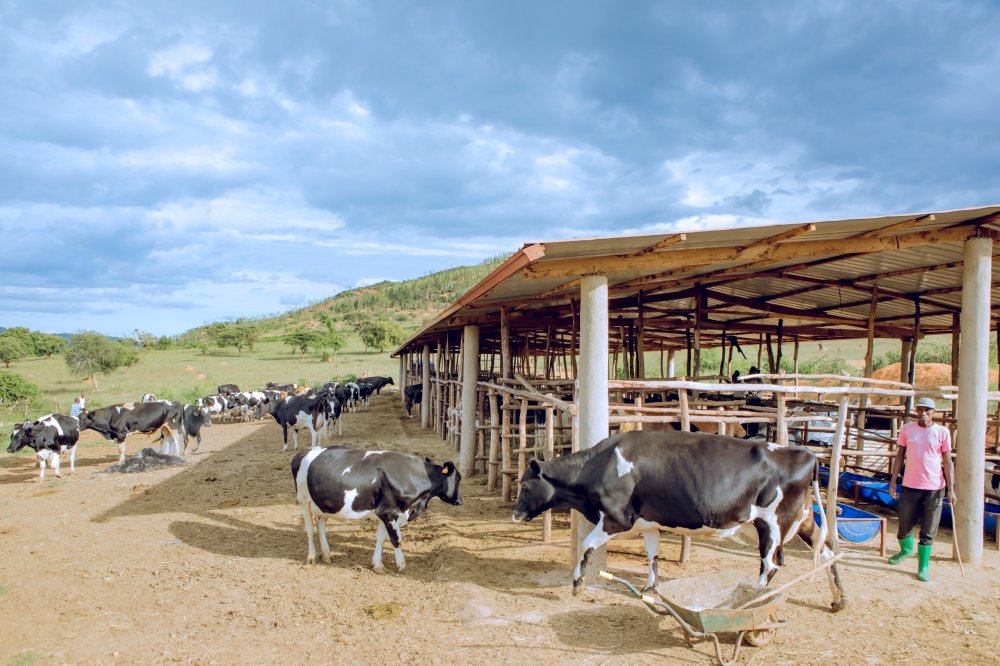
Rwanda’s livestock sector has recorded steady growth over the past seven years, with national milk production surpassing one billion litres, according to data from the Ministry of Agriculture and Animal Resources (MINAGRI).
Between 2017 and 2024, the country’s cattle population increased by 26.2 percent, from 1.2 million to 1.6 million head. Over the same period, milk production rose by 29 percent, from 776 million litres to more than 1.09 billion litres.
The figures were highlighted as members of the Senate of Rwanda began nationwide field visits from January 20 to 28, 2026, aimed at assessing progress in livestock development and examining how animal production is contributing to household incomes and improved livelihoods.
Ahead of the visits, the Minister of Agriculture and Animal Resources, Telesphore Ndabamenye, briefed senators, noting that daily milk output has risen to about 1.1 million litres. He said the government plans to further scale up production in the coming years as part of efforts to strengthen food security and farmer incomes.
Ndabamenye emphasized that sustained growth in the livestock sector depends heavily on the availability of quality and affordable animal feed, particularly maize and soybeans, whose production remains below the country’s growing demand from both livestock and human consumption.
MINAGRI data also show strong growth in other livestock products. Meat production increased by 43 percent, from 117,000 tonnes in 2017 to 207,000 tonnes in 2024. Fish production rose from 26,000 tonnes to 48,000 tonnes over the same period, representing a 45 percent increase.
The poultry subsector has similarly expanded. The number of chickens in the country grew from 5.2 million to 6.2 million birds—an increase of 16.7 percent—while egg production climbed sharply by 64 percent, from 7,000 tonnes to 20,000 tonnes.
As part of their ongoing fieldwork, senators said they are seeking solutions to persistent bottlenecks facing farmers, particularly the high cost of animal feed, concerns over feed quality, and limited processing capacity. Official records indicate that as of 2024, Rwanda had only seven animal feed manufacturing plants nationwide.
The President of the Senate, Kalinda François-Xavier, said the visits will focus on whether livestock farmers can access adequate feed to sustain productivity gains.
“The Senate wants to understand how animal feed is accessed, because well-fed livestock are essential for achieving high productivity. This supports food security and helps households overcome economic challenges,” he said.
To support the sector, the Government of Rwanda has introduced incentives aimed at reducing production costs, including tax exemptions on inputs used in animal feed manufacturing, subsidies for pasture seeds, and support for essential livestock equipment.
MINAGRI says continued investment in feed production, processing capacity and farmer support will be critical to sustaining growth in the livestock sector and ensuring that rising output translates into improved nutrition and higher incomes for Rwandan households.