Nyabihu District has achieved a significant reduction in poverty over the past seven years, with the rate falling from 39.6 percent in 2017/18 to 20.2 percent in 2024/25, according to district authorities.
Mayor Antoinette Mukandayisenga said the decline reflects sustained efforts by local authorities and active participation from residents. She also noted that unemployment dropped alongside poverty, falling from 19.1 percent in 2022 to 10.35 percent in 2024.
“The progress we have seen is the result of combined efforts across sectors. Reducing poverty requires strong commitment, and this achievement shows that concerted action can deliver results,” Mukandayisenga said during a media briefing with district officials on January 26, 2026.
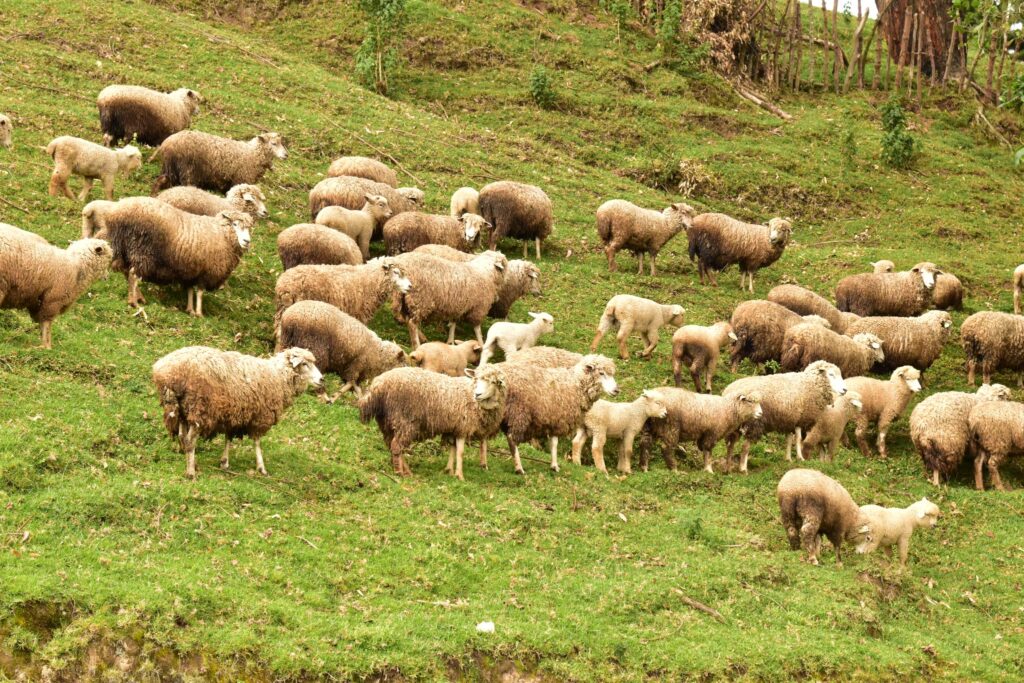
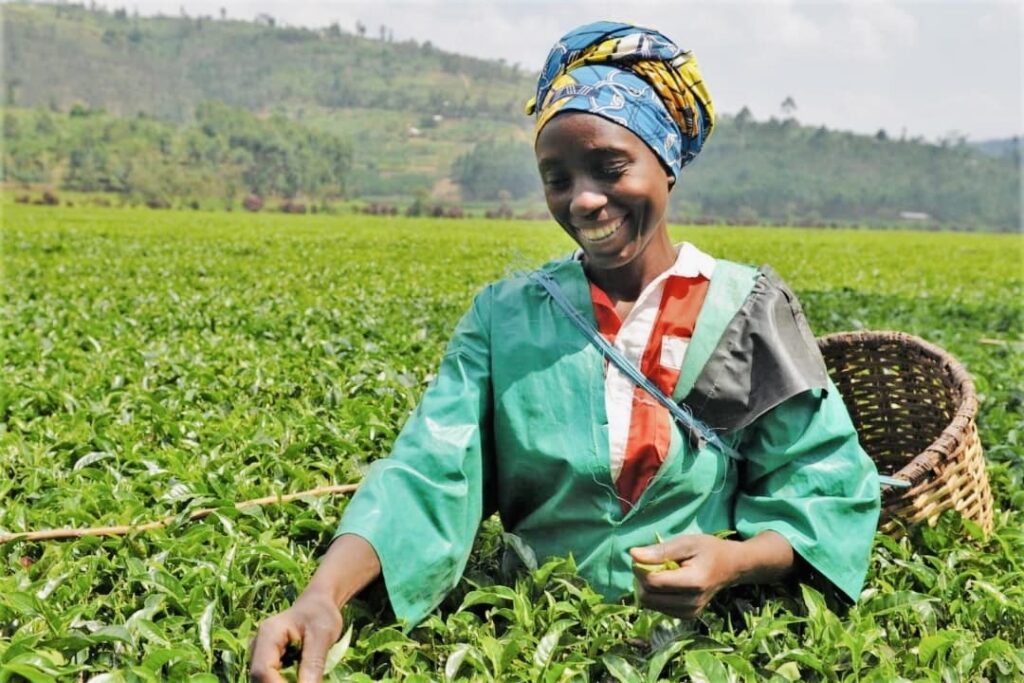
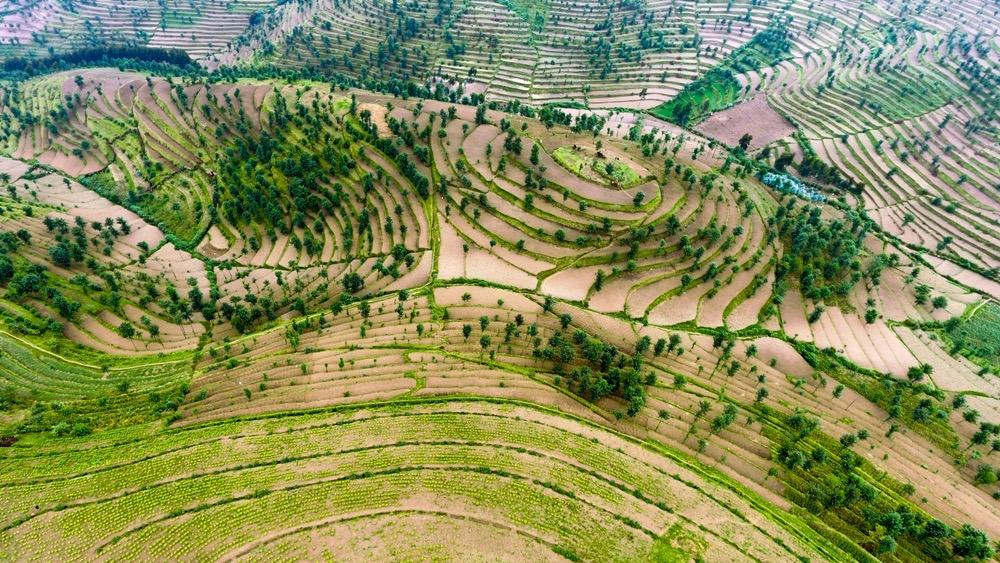
Agriculture and livestock farming remain central to the district’s economic growth. Nyabihu’s fertile soils and favorable climate, with frequent rainfall throughout the year, allow for high yields of key crops, including potatoes, beans, maize, wheat, and tea. Specialty vegetables and bananas also contribute to income generation.
The district is also a growing tourist hub, with attractions such as the Gishwati Forest, Bigogwe Hill, and proximity to Volcanoes National Park supporting local livelihoods.
Mukandayisenga emphasized the importance of maximizing these resources sustainably. “We encourage residents to farm intensively and responsibly, ensuring markets remain supplied year-round while taking advantage of the district’s natural and agricultural potential,” she said.
Statistics show that 73.5 percent of households in Nyabihu engage in farming, and 51.9 percent practice livestock rearing. Average yields are high, with one hectare producing 28 tons of potatoes, 4.7 tons of maize, 3 tons of wheat, and 2.5 tons of beans.
The district has outlined several upcoming projects to sustain progress in agriculture, infrastructure, and social services, aiming to continue improving residents’ living standards.