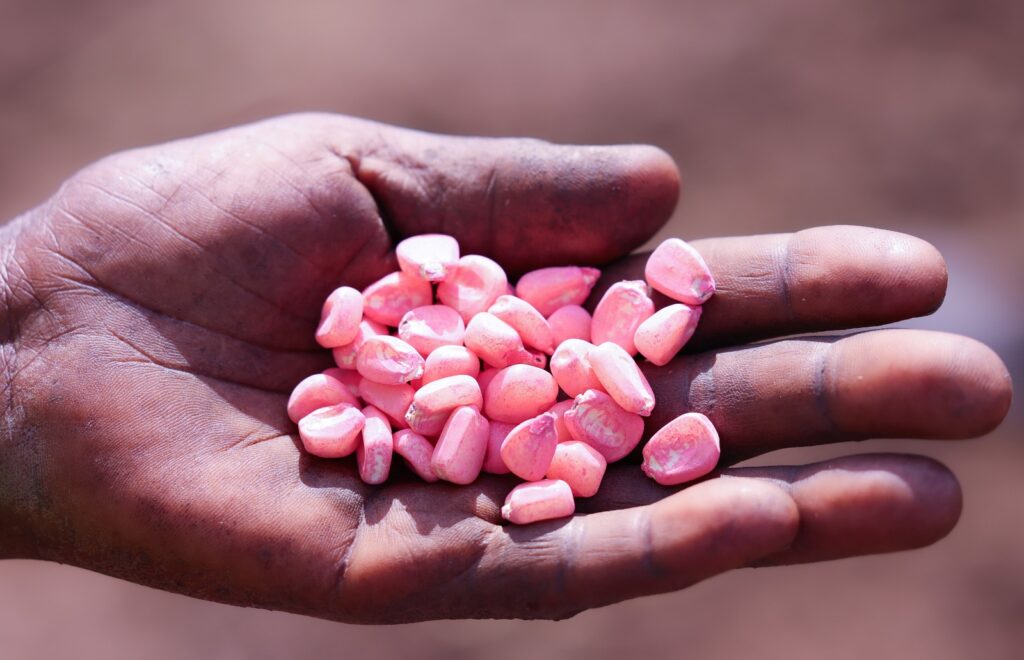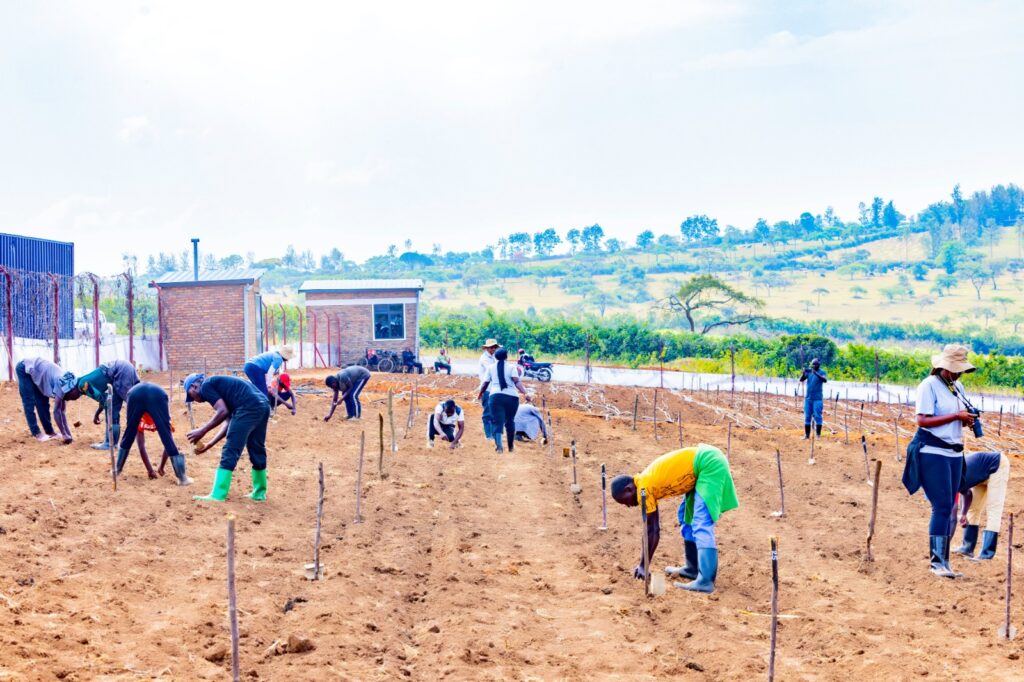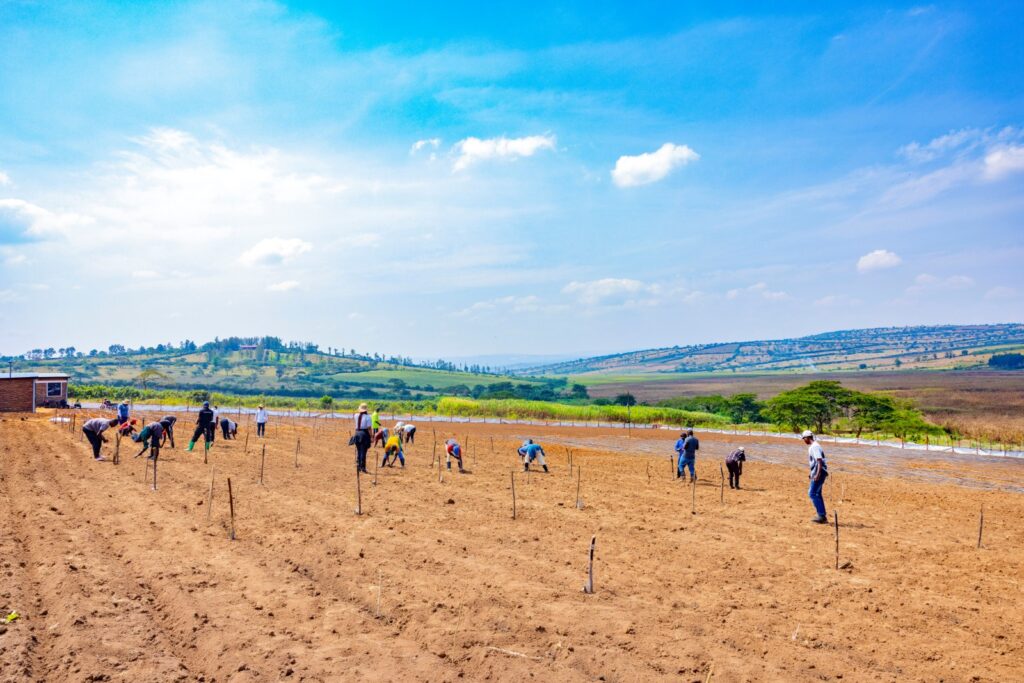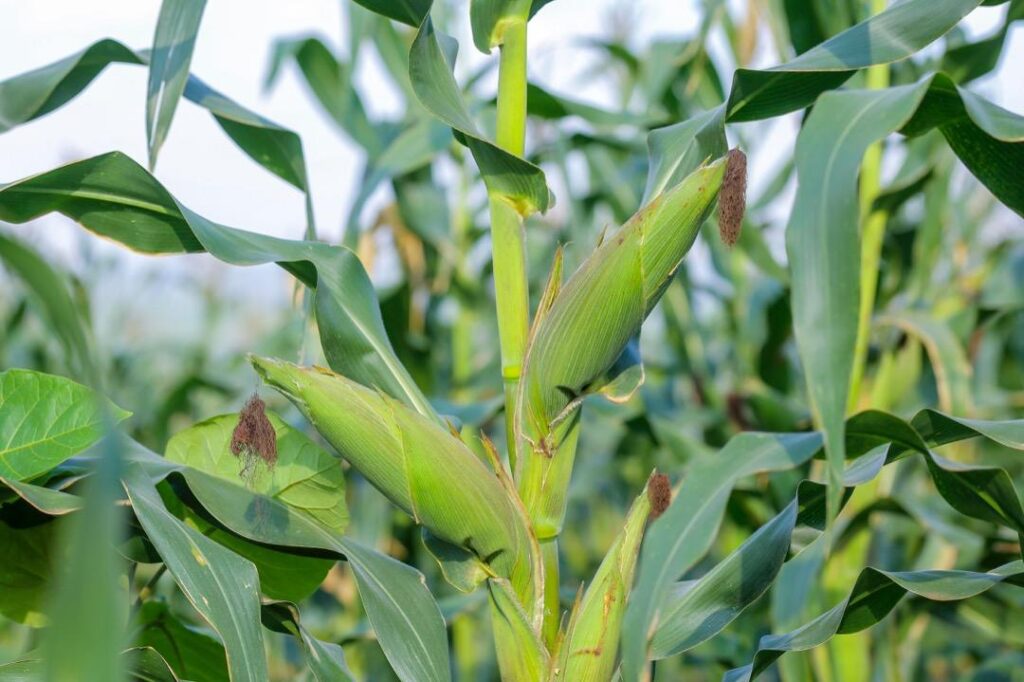
The Rwanda Agriculture and Animal Resources Development Board (RAB) is testing 12 new maize seed varieties designed to resist maize lethal necrosis disease and withstand climate variability, a move expected to reduce losses in maize production by up to 75%.
The improved varieties are also projected to significantly boost national maize yields once rolled out to farmers.
Speaking to Umunota, RAB researcher Dr Athanase Nduwumuremyi said the seeds have already delivered strong results in trials conducted in several African countries, raising confidence in their potential impact in Rwanda.
“These varieties show high productivity and strong resistance to climate stress, pests and diseases—well beyond what conventional maize seeds can withstand,” he said.
According to RAB, the seeds were first tested in countries including South Africa, Nigeria and Ethiopia before being introduced for trials in Rwanda, where they consistently recorded positive results.
“We are confident these maize seeds will outperform the varieties currently grown by farmers,” Dr Nduwumuremyi added. “They are fundamentally different from traditional seeds, and the assessments we have conducted so far show promising outcomes that farmers are likely to appreciate.”
Beyond yield gains, the new varieties also come with environmental advantages. RAB notes that the seeds require fewer agrochemicals, particularly in controlling maize lethal necrosis disease—one of the most persistent challenges facing maize farmers.
“What sets these seeds apart is their built-in resistance to maize lethal necrosis,” Dr Nduwumuremyi explained. “Farmers will use fewer pesticides, which helps protect other living organisms and contributes to environmental conservation.”
The varieties are currently under field trials in several districts, including Nyagatare, Musanze, Huye and Rusizi. Following the completion of research and evaluation, the seeds will be released for cultivation.
On affordability, RAB has assured farmers that the seeds will not be priced higher than existing maize varieties. Once officially released, they will first be supplied to certified seed multipliers before reaching farmers at standard market prices.
“This means farmers will access the new seeds under the same conditions as other maize seeds currently available,” RAB said.
Data from countries where the seeds have already been adopted point to substantial gains. In Nigeria, maize yields reportedly increased by 88% in 2024. In Rwanda, projections indicate that adoption of the new varieties could raise maize productivity by up to 137% compared to current levels.
The intervention comes at a critical time. A recent report by the National Institute of Statistics of Rwanda (NISR) shows that maize production declined to 481,200 tonnes in Season A, a 5.3% drop compared to the same season in 2024. Output in Season B also fell to 117,000 tonnes, down 1.2% year on year.
RAB says the introduction of climate-resilient, disease-tolerant maize varieties is a key step towards reversing this trend and strengthening national food security.