Kayonza district is set to begin construction of a new Azote factory, aimed at producing frozen semen for dairy cows and improving access to high-quality breeding material for local farmers.
The factory will be built in Rukara sector, with construction scheduled to start on February 16, 2026. Kayonza District Mayor, Fred Hategekimana, said all preparations are complete and contracts have been signed.
“The land is ready, and the project will begin on February 16. We expect the factory to be fully operational by December 31, 2026. This will allow farmers in our district to access Azote locally, instead of traveling to Rubirizi or other areas,” Mayor Hategekimana said.
He called on farmers to adopt professional breeding practices, moving away from traditional methods. “We urge farmers to recognize that this infrastructure is being brought closer to them. They should invest effort into modern, professional livestock breeding,” he added.
Addressing a long-standing challenge
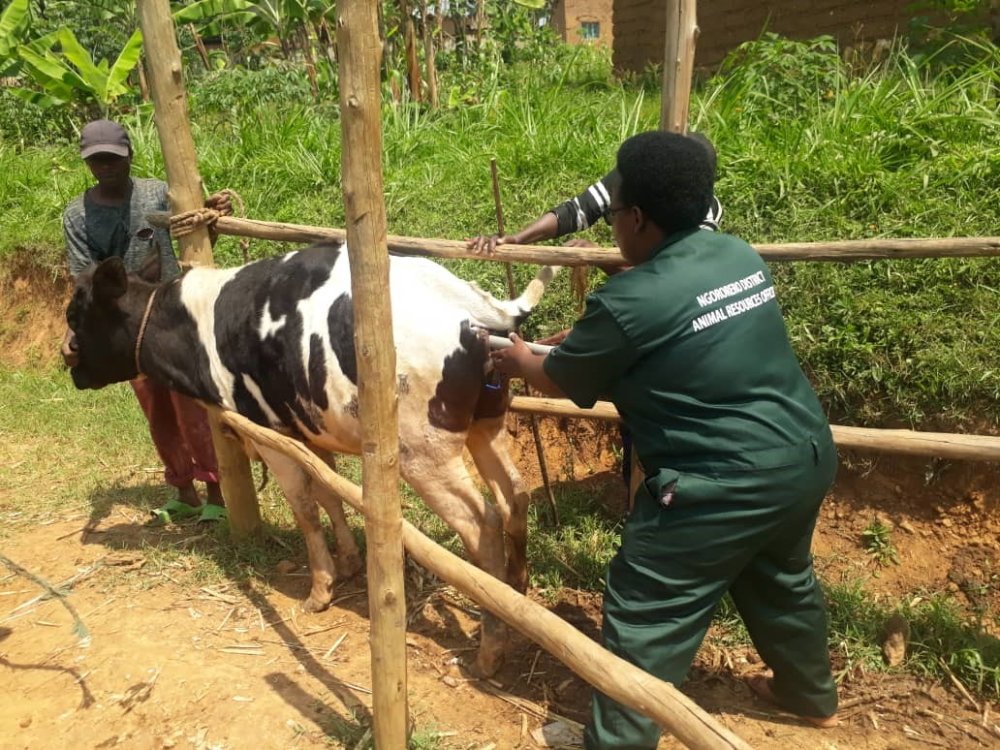
Farmers in Kayonza have faced difficulties accessing quality semen, often experiencing spoilage during transport from the Rwanda Agriculture Board (RAB). Dr. Jean Bosco Kalisa, in charge of dairy cow breeding at ProdeV Kayonza, said the new factory will solve these problems.
“Previously, if you bought 30 doses of Super semen from RAB, you might end up with only five or six usable doses. The new facility will include sufficient machinery to store and preserve semen properly,” Dr. Kalisa explained.
About Azote
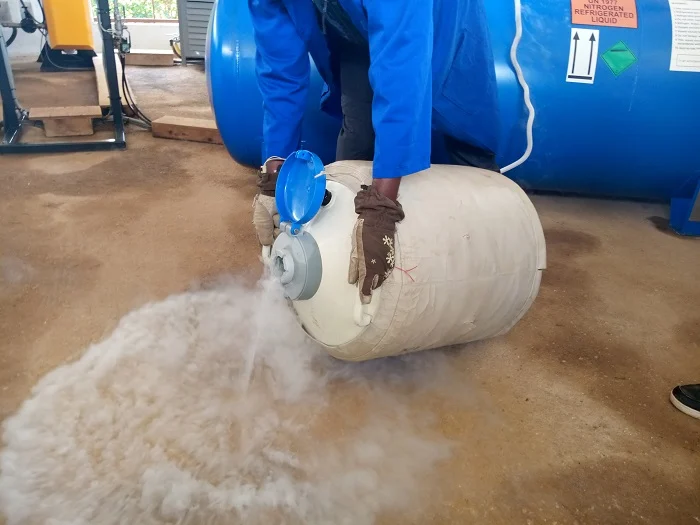
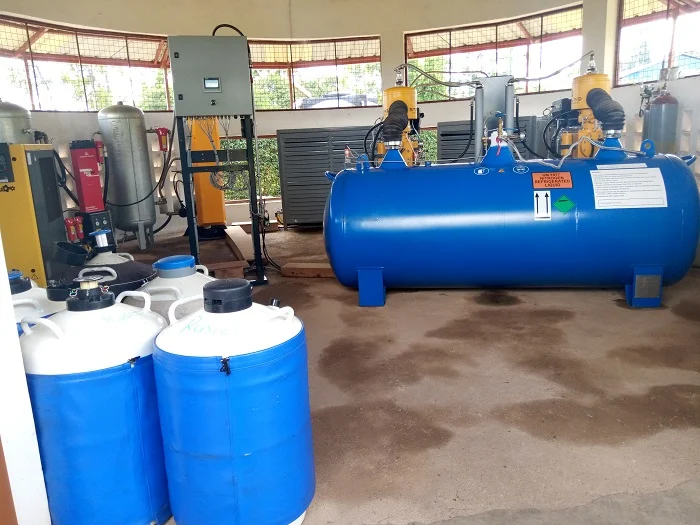
Azote (liquid nitrogen) is used to store and preserve cattle semen at extremely low temperatures. Rwanda currently has Azote facilities managed by RAB in Rubirizi (Kigali) and Rubona (Huye district).
The Kayonza factory will be developed through a public-private partnership under the Rwanda Dairy Development Project (RDDP), with a total investment of 1.2 billion Rwandan francs. This includes construction, a liquid nitrogen generator, and quality-testing equipment.
Once operational, the factory will produce 40–50 doses of semen per liter per hour, generating over 1,000 liters daily. It will provide enough semen to store and distribute more than 500,000 doses annually to farmers in Eastern Rwanda, significantly improving local dairy breeding capacity.