Floriculture in Rwanda continues to gain momentum, with flowers now ranking among the country’s growing agricultural exports.
According to the National Agricultural Export Development Board (NAEB), Rwanda exported 748 tonnes of flowers during the 2024/2025 fiscal year. In the week of February 2–6, 2026 alone, the country shipped 59 tonnes, generating $614,925 in export revenues.
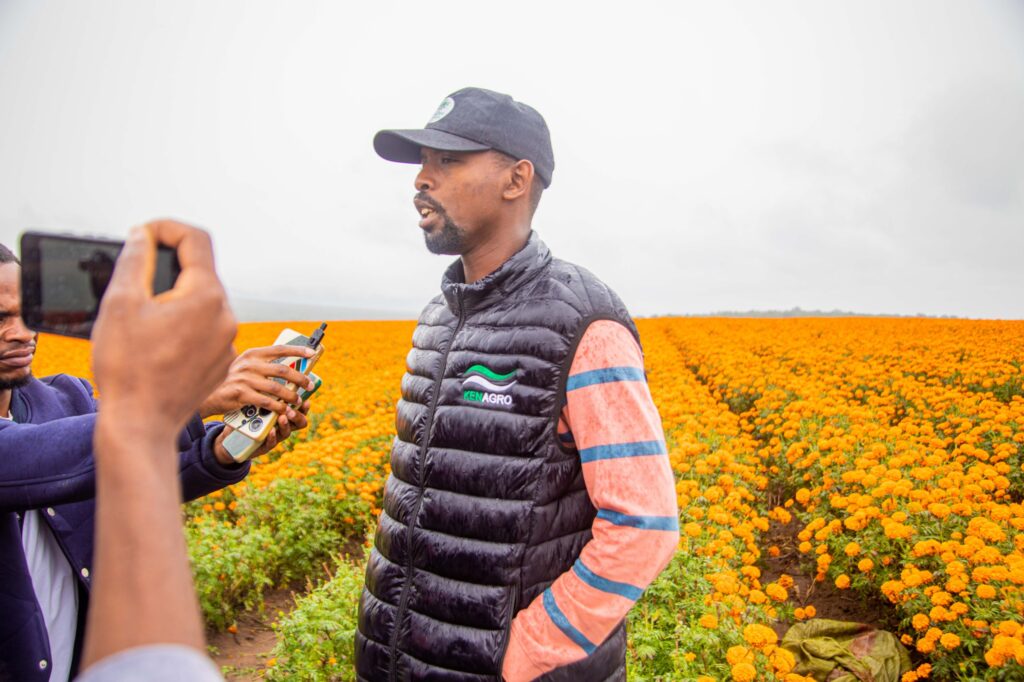
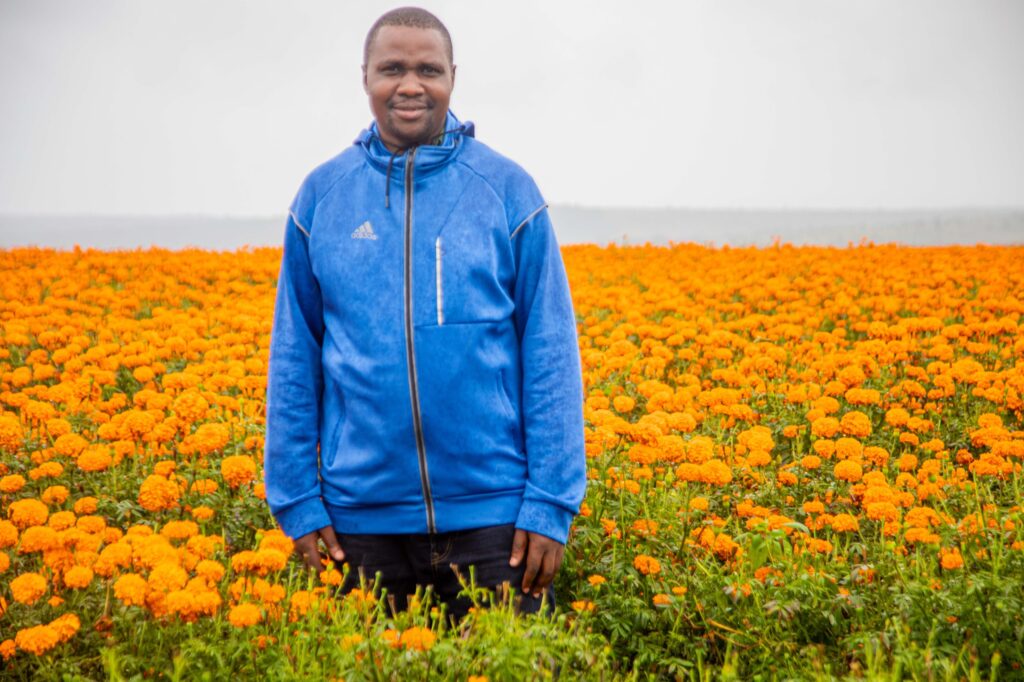
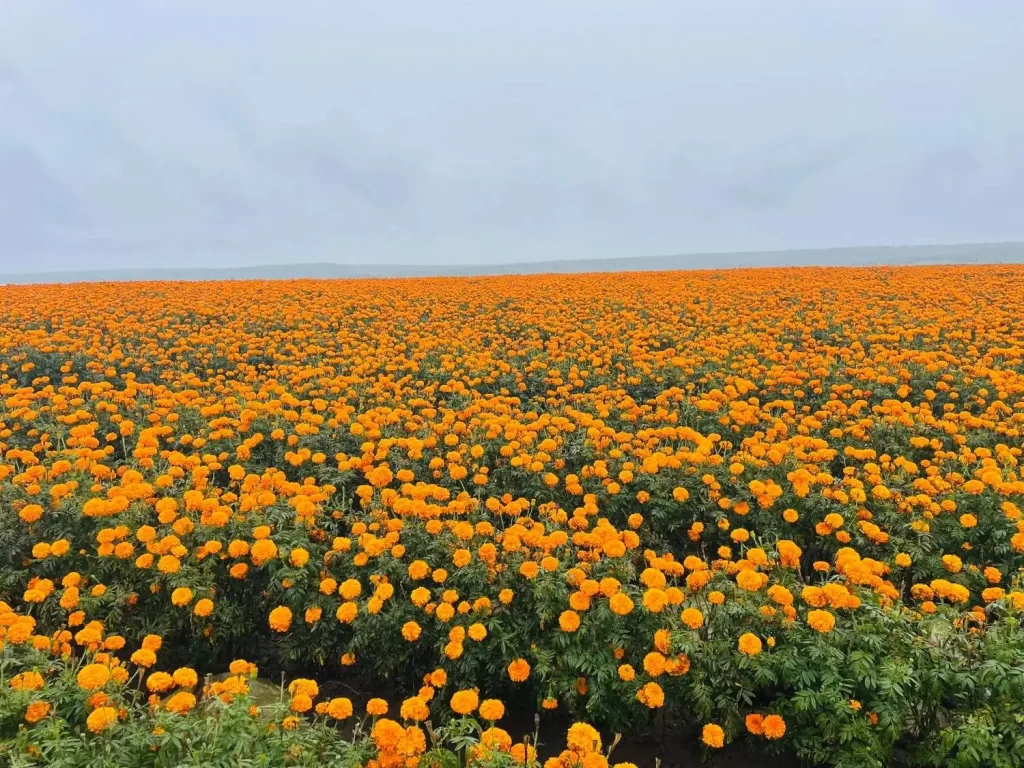
In Ndego Sector, Kayonza District, farmers are cultivating marigold flowers on 53 hectares specifically for export. The flowers are processed into medicinal products, while others are used as additives in poultry feed to enhance the yellow colour of egg yolks.
A global flower with ancient roots
Marigold flowers originate from Mexico and have gained worldwide popularity. They are particularly valued in India, where they are widely processed into eye medicines and other pharmaceutical products.
Historically, the Aztecs of Mexico were among the first to use marigolds for medicinal purposes, cultural rituals and during Día de los Muertos (Day of the Dead) commemorations — traditions that continue today.
Processing and export value chain
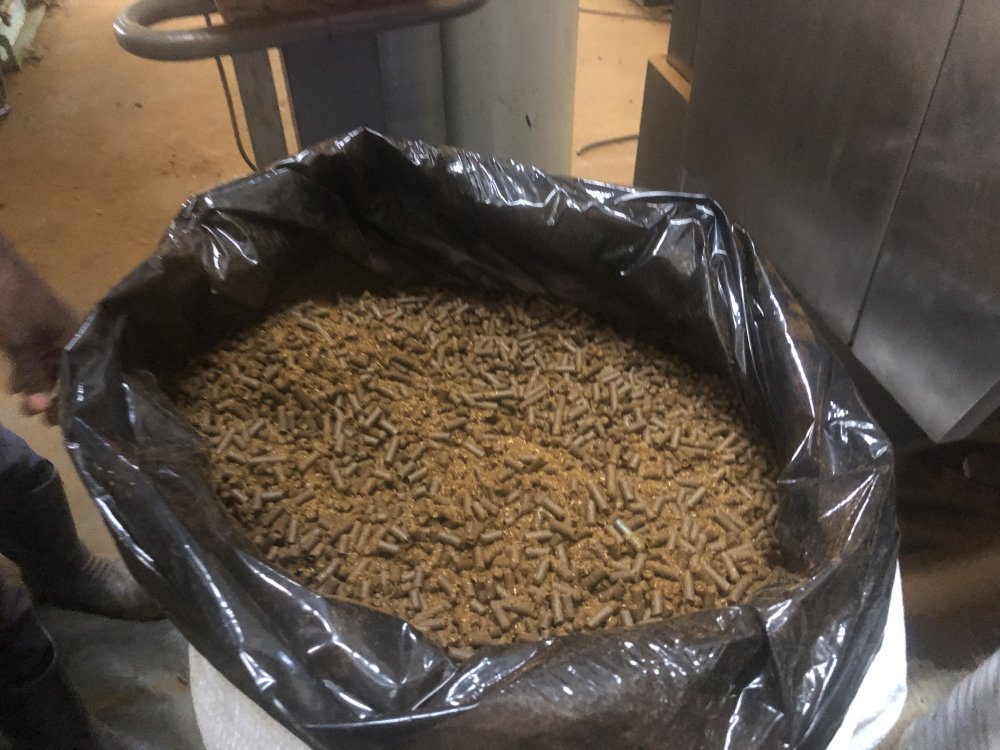
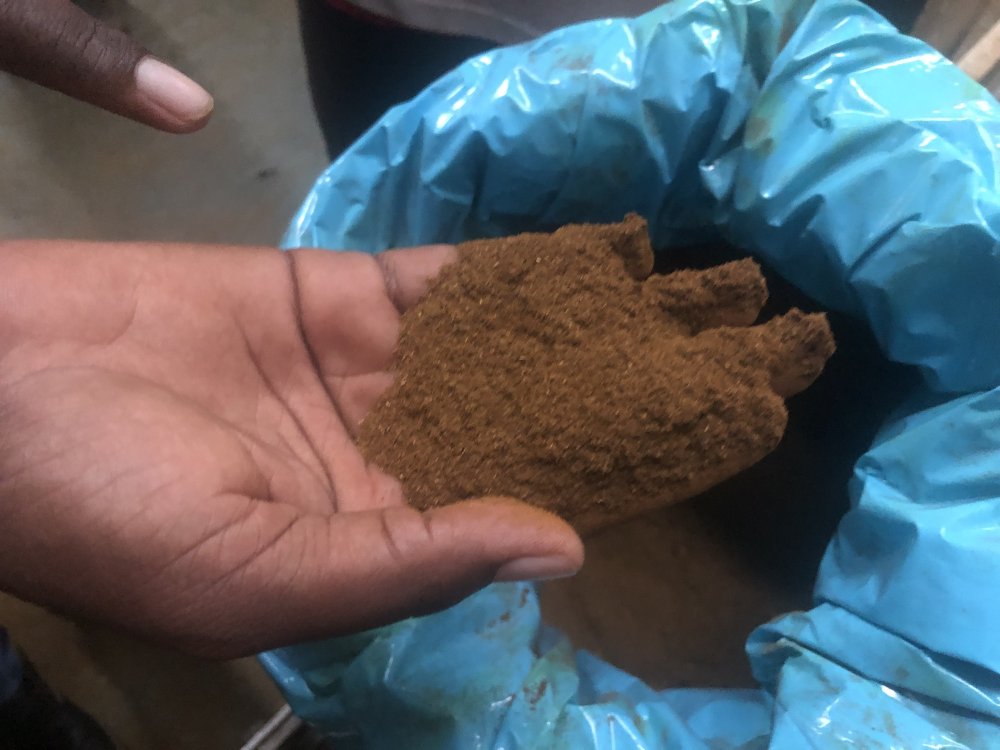
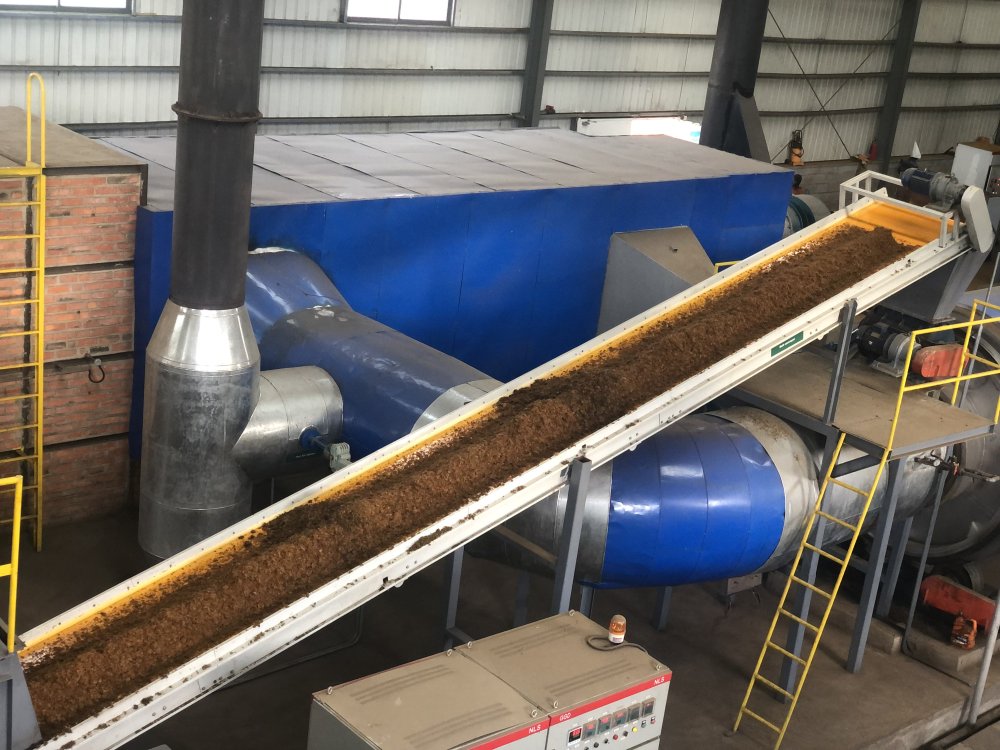
In Ndego, marigold cultivation forms part of a 700-hectare agro-zone that hosts mixed crop farming and livestock activities. The farming operations are managed by ProDev Kayonza, which grows, dries and supplies the flowers to a processing factory where they are milled into powder for export to India and European countries.
Alex Mutunzi, who oversees the project, says marigold farming is still new in Rwanda but holds strong commercial potential.
“Rwandans and farmers in general are quick to adopt any crop that generates income, even if it is new,” he said. “Floriculture has thrived elsewhere; what was missing here was awareness, which is what we are working on.”
Mutunzi noted that ProDev has begun training local farmers to grow marigolds and guarantees a market for those who meet quality standards. He said the consistent demand makes it a promising income-generating opportunity.
The Mayor of Kayonza District, Fred Hategekimana, said the project is already contributing to local economic development.
“Flowers are not grown everywhere. There is a market in Rwanda and abroad. In Ndego, those involved in planting and harvesting are earning incomes and improving their livelihoods. The land here is suitable for this crop,” he said.
What makes marigold special?
Marigold flowers are rich in lutein, a natural yellow pigment. Once dried and processed into powder, they are blended into poultry feed to enhance the deep yellow colour of egg yolks.
Extracted pigments are also used in the food industry — including in biscuits, margarine and beverages — to provide natural colouring.
In addition, lutein derived from marigold is used in the production of supplements that support eye health, particularly for older adults.
NAEB data show that Rwanda has the capacity to produce and process between 500 and 1,500 tonnes of marigold annually, depending on season and cultivated area. The export value of processed marigold powder has surpassed $1.5 million, highlighting its growing contribution to Rwanda’s non-traditional export earnings.