Rwanda must construct between 10,000 and 20,000 housing units every year to effectively tackle the growing housing shortage and high rental costs, particularly in the City of Kigali, Finance and Economic Planning Minister Yusuf Murangwa has said.
The minister made the remarks while presenting the revised 2025/26 national budget to the Chamber of Deputies.
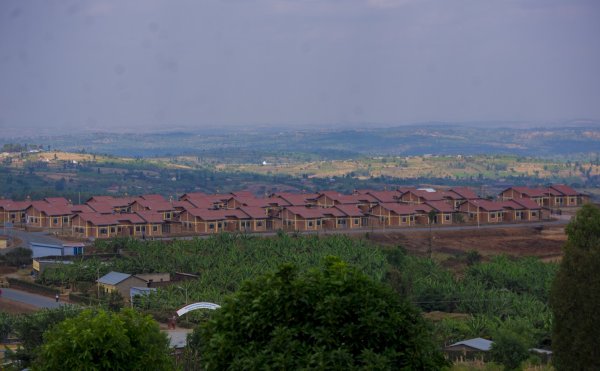
Murangwa was responding to a question from MP Germaine Mukabalisa regarding the progress of the Heza Estate housing project in Batsinda. He noted that construction of the housing units has been completed, with only supporting infrastructure works remaining. These, he said, are nearing completion and the project is expected to be finalized within six months, allowing residents to move in.
Despite progress at Batsinda, the minister acknowledged that Rwanda continues to face a significant shortage of affordable housing, particularly in Kigali. He stressed the need to accelerate construction of low- and middle-income housing to make homes more accessible to a broader segment of the population.
“At least 10,000 to 20,000 housing units need to be built every year to sustainably resolve the housing affordability challenge,” Murangwa said.
Heza Estate, developed by the Rwanda Social Security Board (RSSB), is located in Batsinda, Kinyinya Sector, Gasabo District. The project comprises 548 housing units across various categories aimed at middle-income earners.
Urban housing development is considered a key driver of socio-economic transformation, improving living standards and enabling citizens to access essential services.
Kigali ranks among the most expensive cities in Africa for housing, placing third among ten African cities where rental accommodation remains affordable to only a small portion of the population.
With Africa’s population projected to double by 2050 — and 75% expected to live in urban areas — housing demand is set to surge. Rwanda’s population is projected to reach 22.1 million by 2050, requiring more than 5.5 million housing units to meet demand.
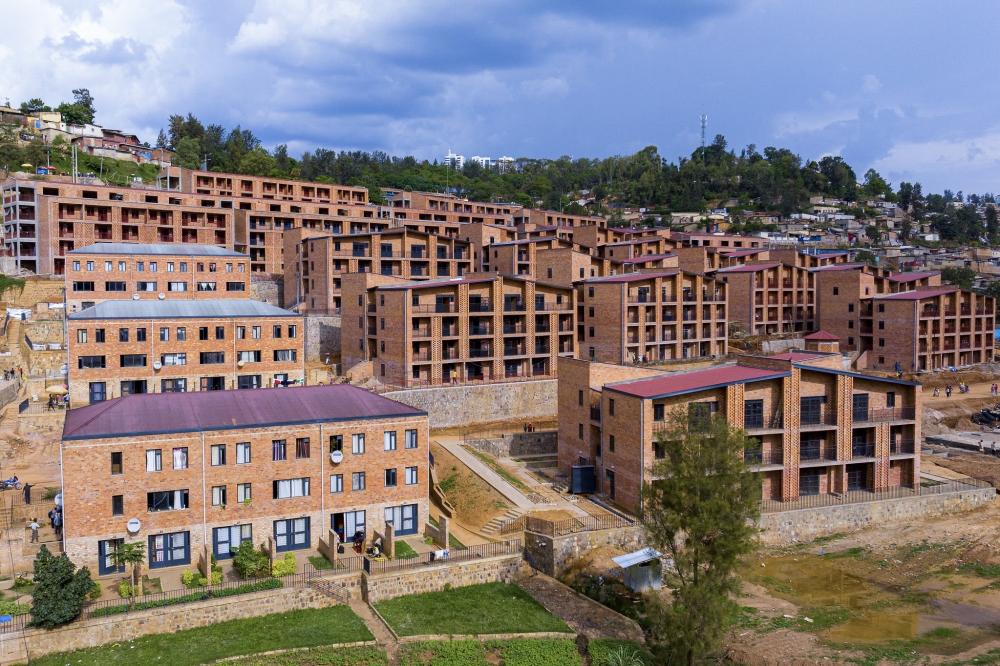
As of June 2024, Rwanda had developed 124 model villages, including 10 multi-storey developments and others built under the “four-in-one” housing model and similar designs.