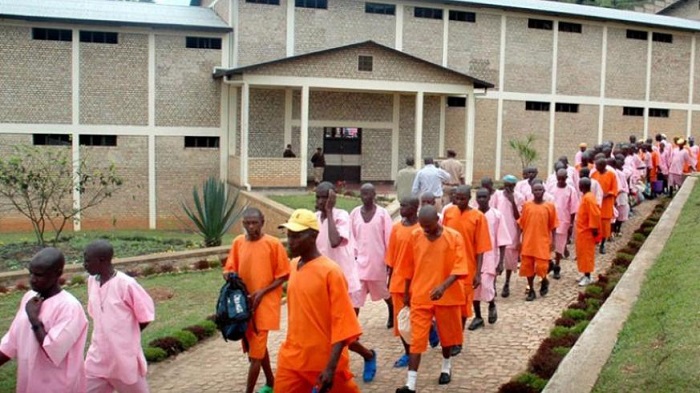
The Cabinet has authorized the provisional release of 1,874 individuals previously sentenced by Rwandan courts, in a decision announced during its meeting on Wednesday, March 4, 2026, at Village Urugwiro, presided over by President Paul Kagame.
According to the Cabinet statement, the measure was formalized through a Ministerial Order granting temporary release to the convicts.
Under Law No. 027/2019 on criminal proceedings, the President of the Republic has the authority to grant pardons or temporary release for life-sentenced convicts after consulting the Supreme Council of the Judiciary. Presidential pardons can fully or partially remove a sentence or replace it with a lighter penalty. Requests for pardon or provisional release can be made by the convict or a legally recognized representative.
The National Prison Services and Corrections Authority evaluates each request, compiling a detailed report that includes the convict’s identity, the offence committed, the final court ruling, time served, remaining sentence, conduct in prison, and supporting evidence. The Authority also provides recommendations on whether the provisional release should be granted.
Eligibility for provisional release is determined by factors such as good conduct and the ability to reintegrate safely into society, as well as serious illness verified by a government-approved medical practitioner. Convicts serving sentences of up to five years must have served at least one-third of their term, while those serving longer sentences must have completed two-thirds. Life-sentenced convicts are eligible only after serving at least 20 years.
At least once a year, the Director General of the Prison Services and Corrections Authority submits a list of eligible candidates to the Minister of Justice. The Minister, in consultation with the Office of the Prosecutor General, may revoke provisional release if a convict commits a new offence, fails to comply with release conditions, or engages in misconduct.
This Cabinet decision highlights Rwanda’s continued efforts to balance justice with rehabilitation, providing a structured pathway for convicts who demonstrate reform to reintegrate into society while maintaining public safety.