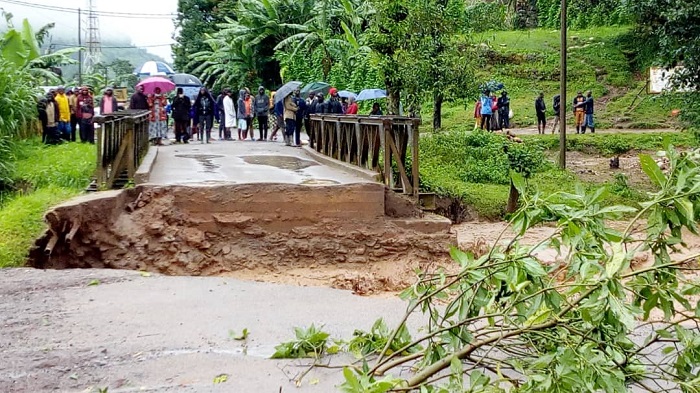
Rwanda and Japan are strengthening cooperation and exchanging expertise on disaster prevention and management, as both countries explore innovative ways to mitigate hazards such as landslides, floods, earthquakes and lightning that continue to threaten lives, infrastructure and economic stability.
The discussions are taking place during a two-day forum in Kigali that began on March 12 and concludes on March 13, 2026. The meeting provides a platform for Rwanda to learn from Japan’s long-standing experience and advanced technologies in disaster risk reduction.
The event also features an exhibition by 12 Japanese companies showcasing cutting-edge technologies designed to detect potential disasters early and support swift response efforts when they occur.
Japan is among the countries most frequently affected by natural disasters globally, largely due to its geographical position along the Pacific Ocean, which exposes it to earthquakes and other hazards. Over the years, this vulnerability has driven Japan to invest heavily in disaster preparedness systems, making it a global leader in early warning technologies and risk mitigation strategies.
These technologies allow authorities to detect warning signs of disasters in advance and take preventive measures, including relocating residents living in high-risk areas before disasters strike.
Speaking at the opening of the forum, the Minister in charge of Emergency Management, Albert Murasira, said the meeting brings together policymakers, private sector innovators and researchers to explore practical solutions that can strengthen Rwanda’s disaster preparedness.
He noted that researchers from the University of Rwanda are also participating in the discussions to learn from Japanese innovations and further advance research in disaster risk management.
“This two-day meeting is an opportunity to understand how these technologies work and how they can be applied in our context. The participation of universities and researchers is particularly important so they can continue advancing research in this area,” he said.
Japan’s Ambassador to Rwanda, Kazuya Nakajo, emphasized that Japan’s technological expertise in disaster management could play a significant role in helping Rwanda strengthen its resilience against natural hazards.
He expressed confidence that Japanese technology, combined with Rwanda’s development framework, particularly the National Strategy for Transformation 2, could support efforts to prevent disasters while sustaining the country’s economic growth.
“By working together, we can strengthen disaster prevention mechanisms and protect lives while supporting Rwanda’s continued development,” he said.
Rwanda has already implemented several preventive measures to reduce disaster risks, including large-scale tree planting to stabilize soil and curb landslides, as well as efforts to reduce deforestation.
Participants at the Kigali forum also paid tribute to the victims of the devastating 2011 Tōhoku earthquake and tsunami, which claimed more than 15,000 lives and left over 2,000 people missing. The commemoration underscored the importance of global cooperation and technological innovation in preventing future disasters.