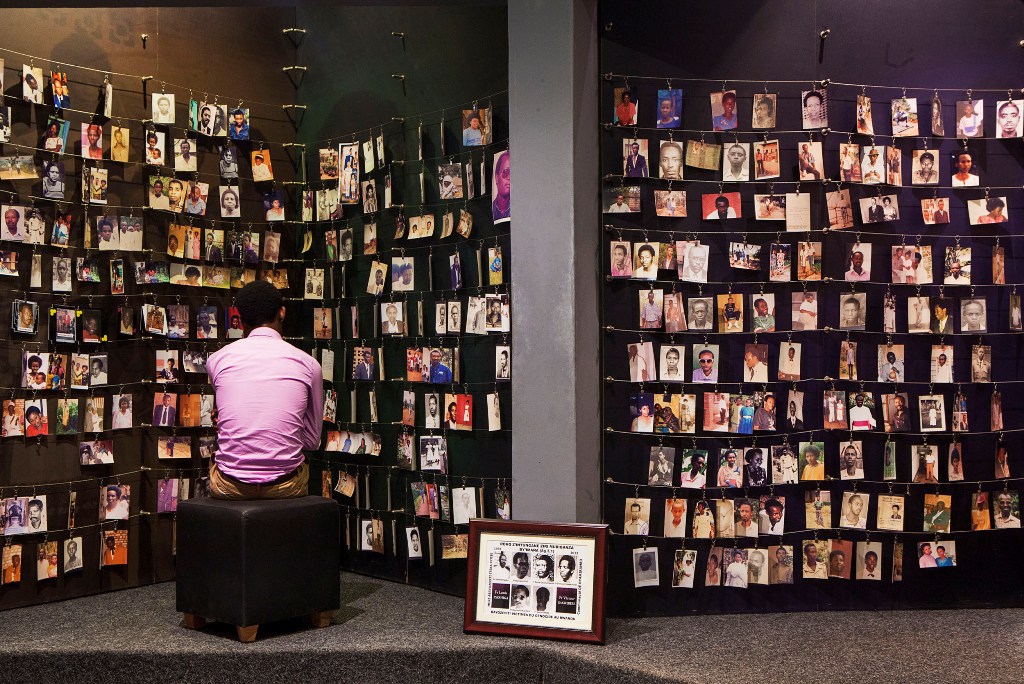
April 6, 1994, marks a defining turning point in Rwanda’s history, setting in motion the execution of the Genocide against the Tutsi, a campaign of systematic extermination that had been planned for years under regimes that institutionalized ethnic division and discrimination.
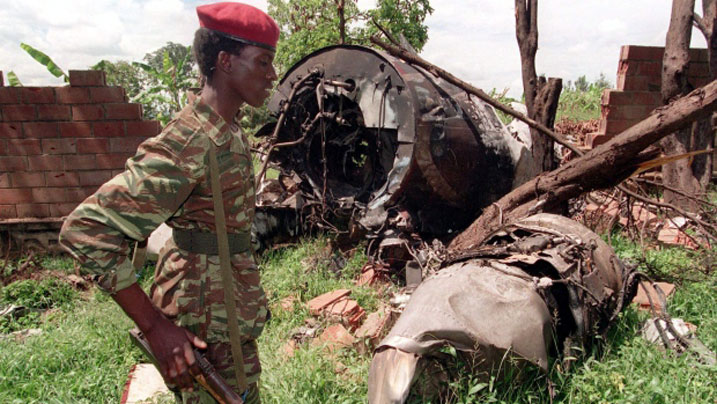
The downing of a Falcon 50 aircraft carrying President Juvénal Habyarimana, along with Burundi’s President Cyprien Ntaryamira, on the night of April 6 served as the immediate trigger for the killings. Within hours, Interahamwe militia, supported by elements of the Presidential Guard, set up roadblocks across Kigali and began targeting Tutsi civilians.
Among the first targets were Tutsi who had sought refuge in areas considered safe, including Amahoro Stadium in Remera, which hosted United Nations peacekeepers under UNAMIR. Attempts to carry out killings there were disrupted by clashes between the Rwandan Patriotic Front (RPF-Inkotanyi) and government forces.
On the same day, Major Aloys Ntabakuze, commander of the Para-Commando battalion based at Kanombe Military Camp, ordered troops under his command to begin killing Tutsi and political opponents in surrounding areas, including Kajagari.
Violence quickly escalated. At Centre Christus in Remera, at least 17 people mainly priests and nuns were killed, including Jesuit priest Chrysologue Mahame, a prominent advocate for peace and human rights.
By the evening of April 6, coordinated attacks had intensified in parts of Kigali such as Kacyiru and Kimihurura, where militias erected roadblocks and carried out systematic killings. The violence rapidly spread across the country, as authorities restricted movement, effectively preventing victims from fleeing.
That night, Radio Rwanda and RTLM broadcast an announcement signed by Colonel Théoneste Bagosora confirming the president’s death and urging citizens to remain in their homes—orders that facilitated the coordinated execution of the killings.
Simultaneously, a campaign to eliminate moderate political leaders and advocates of unity was launched. Prime Minister Agathe Uwilingiyimana and Constitutional Court President Joseph Kavaruganda were among those assassinated in the early hours of April 7.
Later on April 7, a high-level meeting convened by MRND Secretary-General Joseph Nzirorera brought together senior political and military leaders, who resolved to accelerate the killings. Orders were issued to distribute weapons, reinforce roadblocks, and ensure the rapid implementation of the plan, with key responsibilities assigned to senior officers including Colonel Augustin Bizimungu.
Following the meeting, weapons were distributed through local administrative structures and militia networks, enabling widespread participation in the killings.
What began on April 6 quickly evolved into a nationwide extermination campaign. By April 7, 1994, the Genocide against the Tutsi was fully underway, as government forces and allied militias systematically hunted down Tutsi across the country.