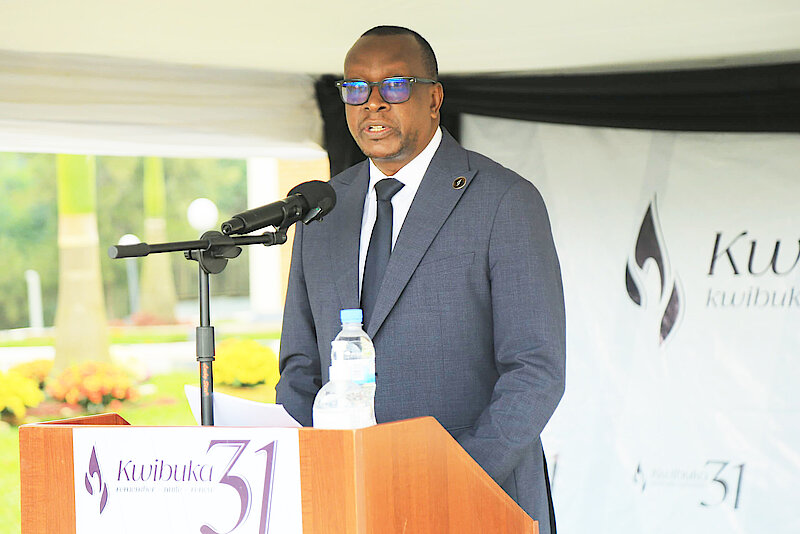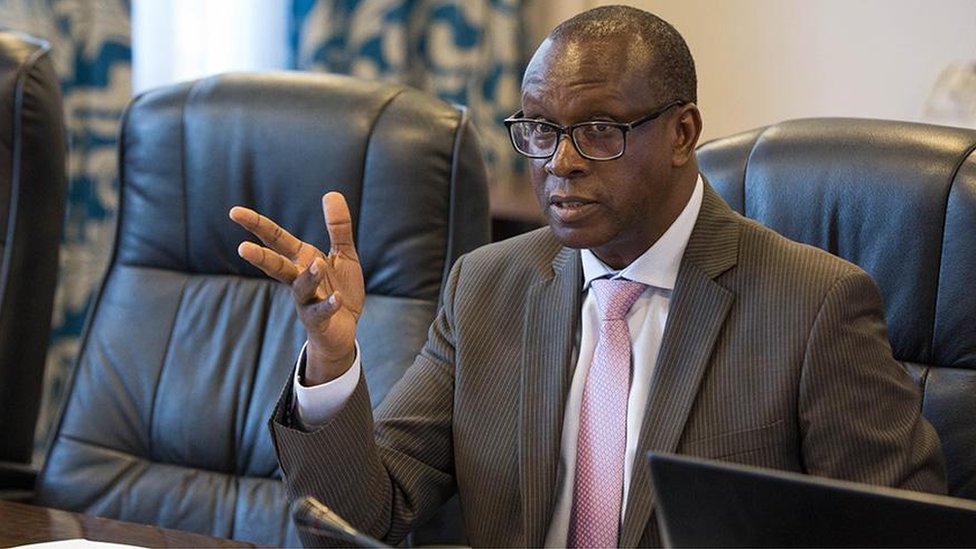
Minister of National Unity and Civic Engagement, Dr. Jean Damascène Bizimana, has called on Rwandans to use the 32nd commemoration of the 1994 Genocide against the Tutsi as a moment to strengthen unity and intensify efforts to combat genocide ideology.
Speaking in an interview with Rwanda Broadcasting Agency (RBA), Dr. Bizimana outlined key activities planned for Kwibuka32, emphasizing that the commemoration period should go beyond mourning to focus on reflection, resilience, and collective responsibility.
He stressed that Kwibuka is not a time to be overwhelmed by grief, but an opportunity for Rwandans to reflect on their history while reinforcing national cohesion.
On April 7, which marks the beginning of the commemoration week, citizens across the country will gather at village level before midday for discussions centered on Rwanda’s future and the importance of unity. This will be followed by the broadcast of the national message on radio and television.
At the national level, official commemoration activities will be launched at the Kigali Genocide Memorial. A Walk to Remember will then take place from Gasabo District headquarters to BK Arena, where the evening vigil is scheduled to be held.
Dr. Bizimana said the walk symbolizes the suffering endured by Tutsi victims during the genocide, noting that it serves as a reminder of the tragic journeys they were forced to undertake.
“The remembrance walk is not just symbolic—it reflects the painful journey victims were forced to take before being killed. It is a moment to internalize that history,” he said.
He added that after midday, normal activities will resume, with public and private sector employees returning to work and businesses reopening.
While individual sports activities will be allowed during the commemoration period, competitive events and games of chance will be suspended. However, teams will be permitted to continue training.
On music played in gyms, the minister cautioned against songs that trivialize the commemoration, while allowing appropriate and respectful music.
Dr. Bizimana emphasized that Kwibuka remains a critical time for Rwandans to come together, honor victims, and firmly reject genocide ideology, hatred, and divisionism.
He also called on communities to support individuals experiencing trauma during the commemoration period, urging citizens to stand with survivors and ensure they do not feel isolated.