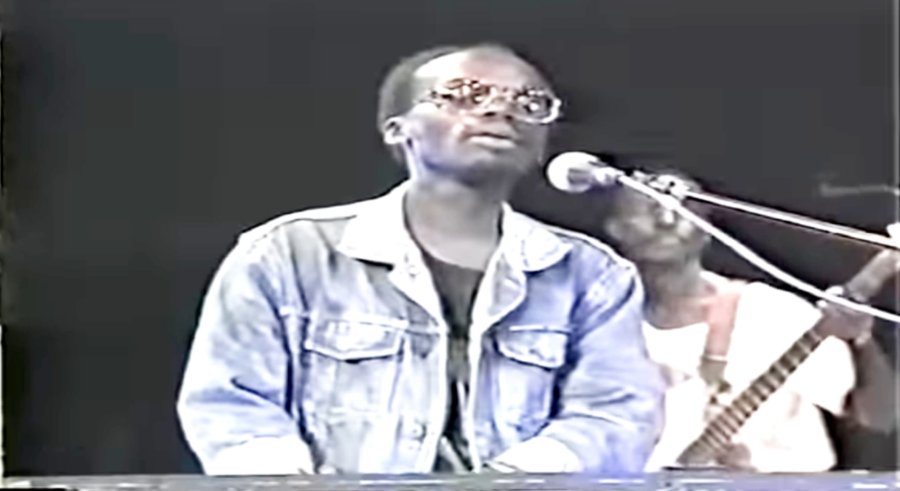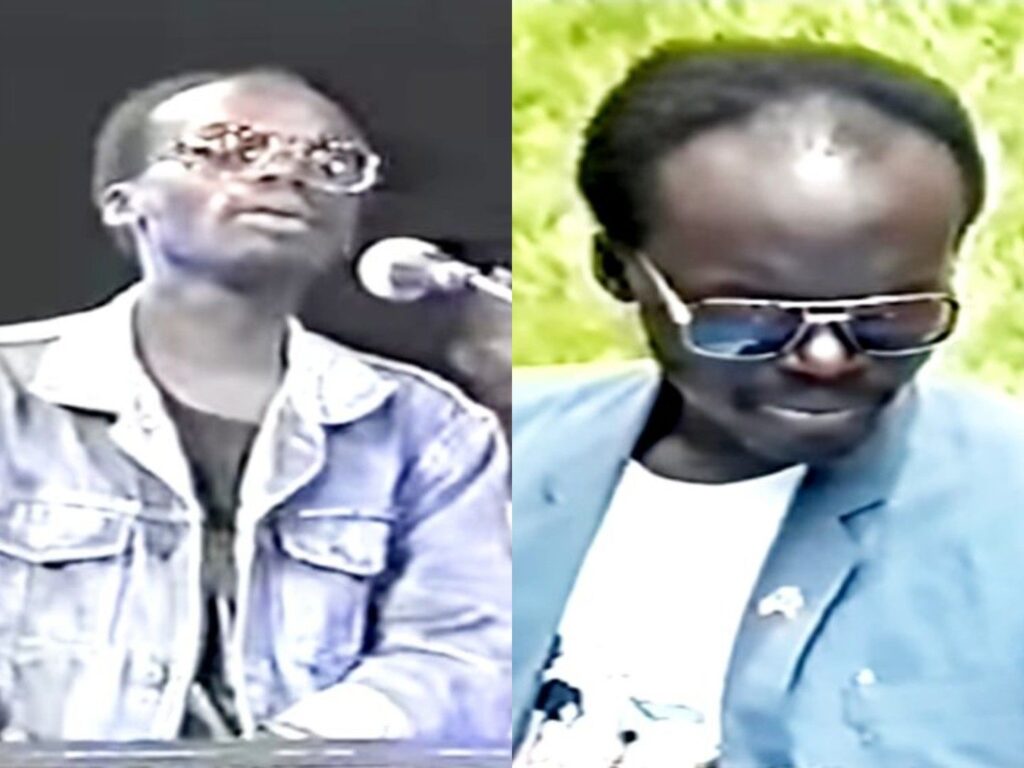
The 1994 Genocide against the Tutsi claimed over one million lives, including many talented artists who shaped Rwanda’s cultural heritage. Among them was Karemera Rodrigue, a gifted singer, composer, and instrumentalist whose music continues to inspire Rwandans decades later.
Early life and journey into music
Born in 1957 in Rwamagana District, Eastern Province, Rodrigue was the firstborn in a family of four. He studied at Saint Aloys Primary School in Rwamagana and later at Zaza Minor Seminary in Ngoma District. Displaced during political unrest in 1973, he completed his secondary education in Burundi before returning to Rwanda in 1977 to study theology at Nyakibanda Major Seminary.
Although initially preparing for the priesthood, Rodrigue’s passion for music prevailed. He studied music in Austria for three years, mastering piano, guitar, and percussion, before returning to Rwanda to pursue a career as a professional musician.
A rising star in Rwandan music
Rodrigue quickly became a celebrated artist with hits such as Ubalijoro, Kwibuka, Uwo Wemeye, Mpinganzima, Mon Coeur Rebelle, and Mukazi. He also performed with the group PAMARO (Pascal, Augustin, Martin, Rodrigue), which left a lasting mark on Rwanda’s music scene in the 1980s. Beyond entertainment, he composed educational songs for children at the Ministry of Education, further cementing his influence.
Fluent in six languages—Kinyarwanda, English, French, Italian, German, and Swahili—Rodrigue’s multilingual abilities allowed his music to reach audiences both within and beyond Rwanda. Songs like Mon Coeur Rebelle and Leading Peace showcased his international appeal.
Tragic end and enduring legacy
On May 20, 1994, Rodrigue, his wife, and his eldest child were killed by Interahamwe forces during the genocide at their home in Gikondo, known as Camp Zaire. Two of his children survived, and another child, Karemera Patrick, later came to light after the genocide.
Despite his life being cut short, Rodrigue’s music continues to resonate across Rwanda. His compositions, marked by emotional depth and cultural significance, preserve the memory of a generation lost to genocide and inspire new audiences with messages of love, resilience, and remembrance.