Religious leaders and heads of traditional institutions from South Kivu Province in the Democratic Republic of the Congo have warned that ongoing atrocities in the country’s eastern region bear alarming similarities to the early warning signs of the 1994 Genocide against the Tutsi in Rwanda.
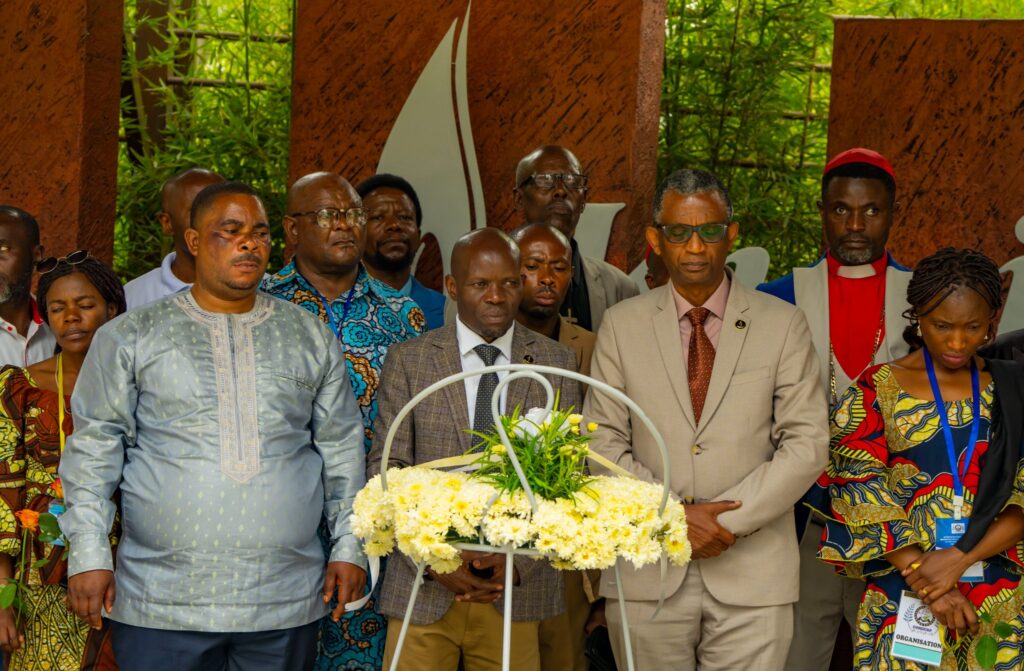
The leaders made the remarks on April 12, 2026, during a visit to the Kigali Genocide Memorial at Gisozi, where they joined Rwandans in marking the 32nd commemoration of the genocide.
After being taken through the detailed history of the planning and execution of the genocide, many members of the delegation said they had their “eyes opened,” noting that they had previously been told that no genocide had taken place in Rwanda.
Several participants said the experience was emotionally overwhelming, adding that they were deeply affected by the testimonies and historical accounts of how victims were targeted and killed.
They said they left with a strong commitment to become witnesses of the truth and to actively counter genocide denial and distortion narratives in their communities.
The leaders further warned that what they observed at the Kigali Genocide Memorial, combined with current developments in eastern DR Congo—particularly attacks targeting Tutsi communities—suggest that, without urgent intervention, the region risks descending into atrocities similar to those witnessed in Rwanda in 1994.
They stressed that continued violence and hate speech in eastern DR Congo, if left unchecked, could escalate into mass atrocities similar to those that claimed over one million lives in just 100 days during the genocide against the Tutsi.
Yves Sangara, representing a traditional leadership institution in Kalehe Territory, strongly condemned ongoing violence, saying they will not tolerate any attempts to drag civilians into genocide ideology or ethnic targeting.
He said the customary institution in Kalehe rejects all forms of discrimination and violence, pledging collective efforts to resist and denounce genocidal ideology.
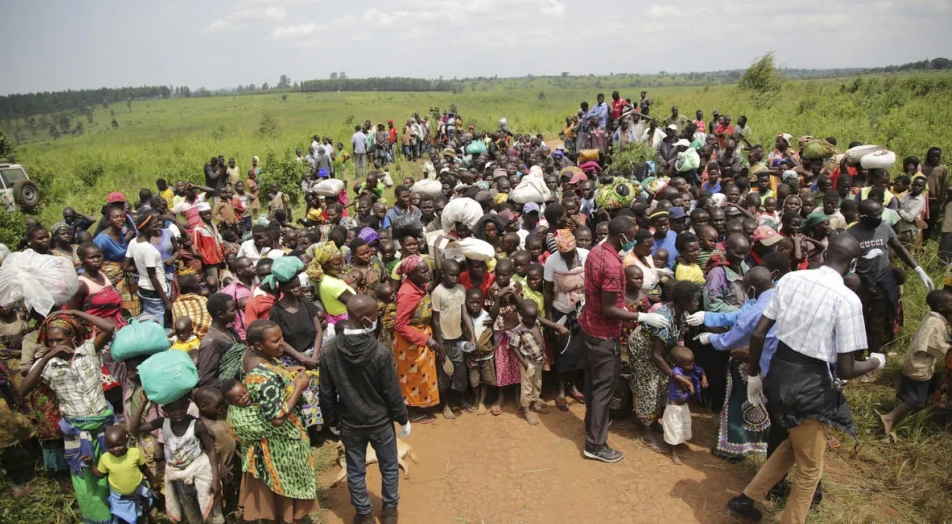
The delegation also noted that for 32 years, Tutsi communities in eastern DR Congo have faced persistent insecurity, much of it linked to armed groups including the FDLR, some of whose members participated in the 1994 Genocide against the Tutsi, leaving many civilians displaced, killed, or repeatedly forced to flee their homes.