On April 20, 1994, Rwanda’s genocidal regime escalated its campaign to exterminate the Tutsi, with coordinated attacks and incitement spreading across the country particularly in Butare, then considered one of the last holdouts against mass killings.
On that day, President Théodore Sindikubwabo toured Ndora and Shyanda communes in present-day Gisagara District, openly urging Hutu civilians to join the extermination of Tutsi. His visit marked a turning point in the region, signaling the full-scale launch of genocide in the area.
Simultaneously in Butare town, newly appointed Prefect Jean-Baptiste Nsabimana convened a high-level meeting to plan and operationalize the killings across the prefecture.
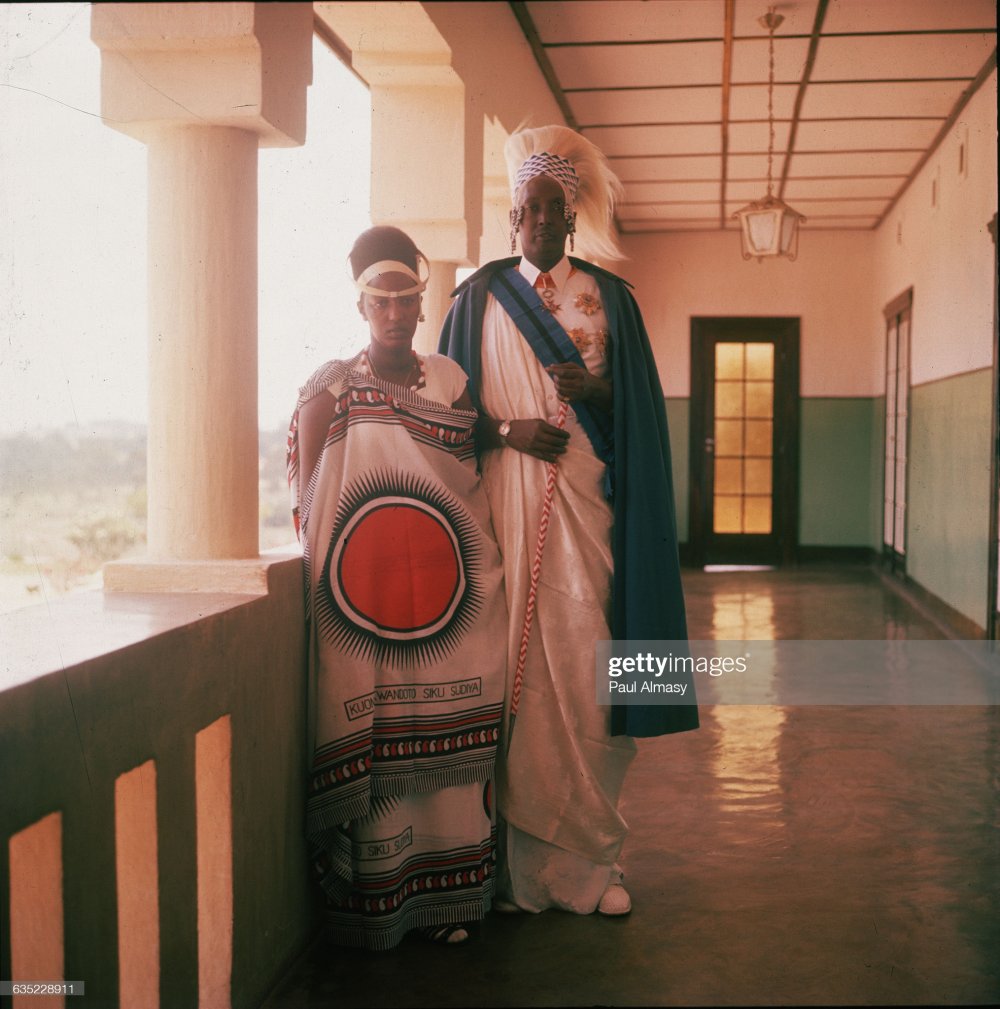
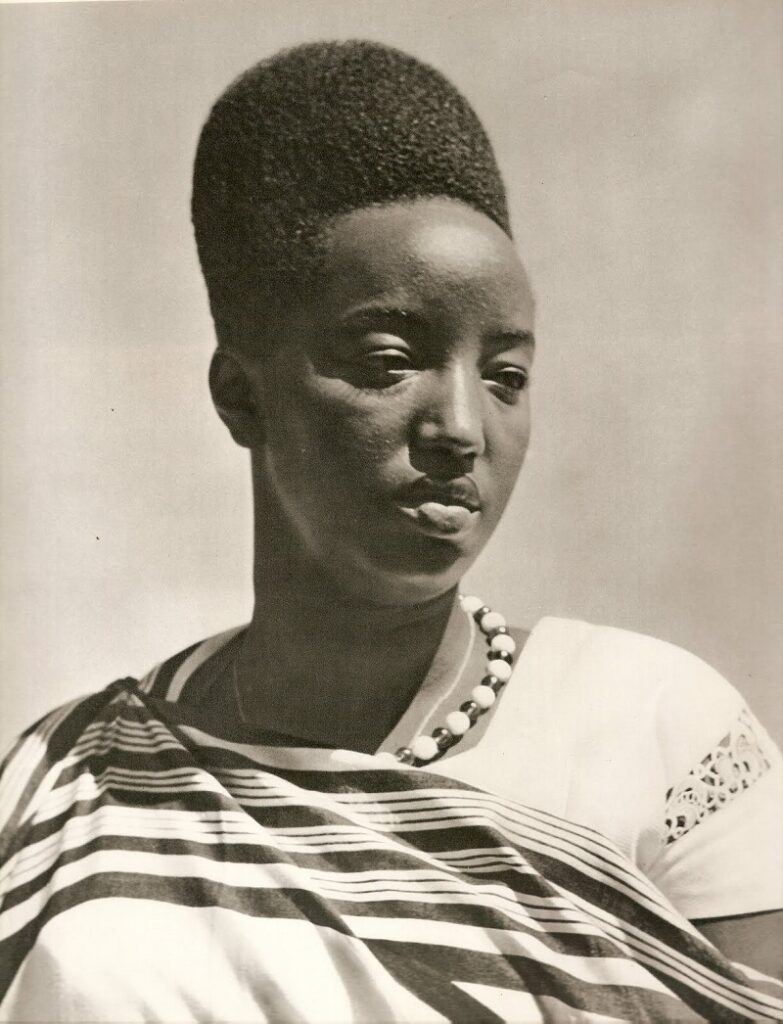
It was in this climate that Queen Rosalie Gicanda, the widow of Rwanda’s last king, was assassinated—an act that symbolized the complete collapse of moral and institutional restraint.
Gicanda was killed on the orders of Captain Ildephonse Nizeyimana, then stationed at the École des Sous-Officiers (ESO). He acted in coordination with senior military figures including Lt. Col. Tharcisse Muvunyi, officers from Ngoma military camp, gendarmes, and Interahamwe militia.
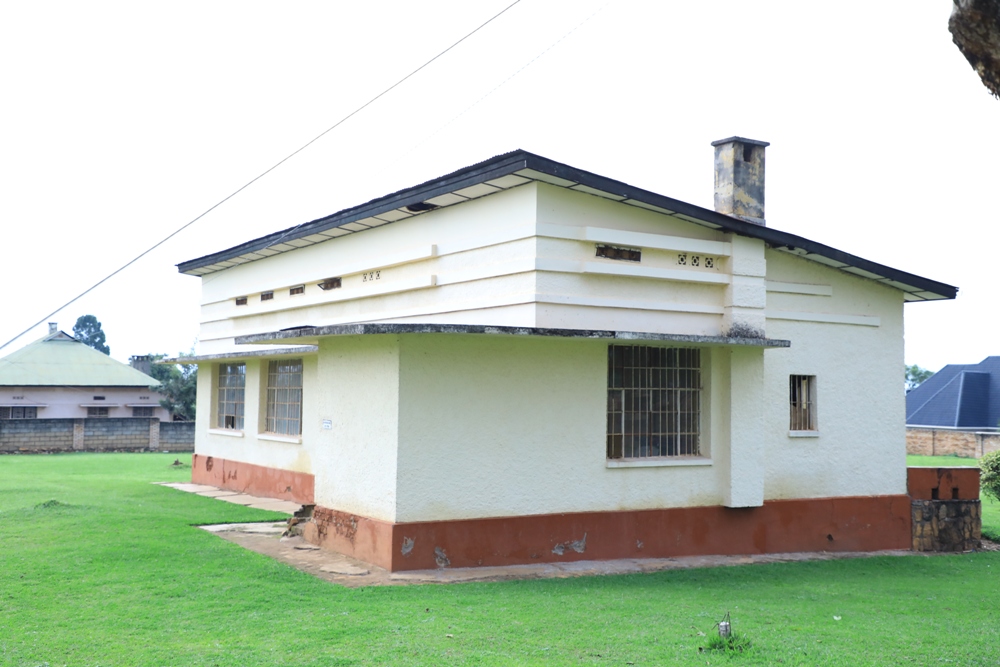
Soldiers stormed her residence near the Ngoma commune offices and executed her alongside several others who had sought refuge there. Among the victims were Jean Damascène Paris, Marie Gasibirege, Aurélie Mukaremera, Callixte Kayigamba, and Alphonse Sayidiya.
One survivor, Grace Uzamukunda, who was shot but lived, later provided critical testimony detailing the final moments of the Queen and those killed with her.
Years later, Nizeyimana was convicted of genocide by the International Criminal Tribunal for Rwanda (ICTR) and sentenced to 35 years in prison, while Muvunyi received a 15-year sentence.
Mugombwa parish: thousands burned alive
Between April 19 and 20, thousands of Tutsi fleeing violence gathered at Mugombwa Catholic Parish in Gisagara, hoping for protection.
Instead, they were locked inside the church by the parish priest, Titiano Pagolalo, who handed the keys to a local accomplice. Interahamwe militias and soldiers later attacked, blasting open the doors with grenades before setting the building ablaze.
An estimated 26,700 people were killed in one of the deadliest massacres of the genocide.
Key local officials—including Mayor Elie Ndayambaje and other administrative and militia leaders—played central roles in organizing the killings. Ndayambaje was later sentenced to 47 years by the ICTR.
Lake Kivu killings: victims thrown alive into the water
In Busekanka, along the shores of Lake Kivu in Rusizi, Tutsi attempting to flee into then-Zaire were intercepted and killed.
Beginning April 20 and continuing through May, Interahamwe militias tracked down escapees, often alerted by local networks. Victims were subjected to extreme brutality—some bound and thrown alive into the lake, others mutilated before being killed.
Ruhango: mass graves disguised as latrines
In Rutabo, Kinazi Sector, a massive pit was dug under the pretense of constructing a latrine. Instead, it became a dumping site for bodies—and, in some cases, living victims.
Tutsi from Ntongwe, Mugina, Bugesera, and surrounding areas were killed and thrown into the pit, which perpetrators cynically named “CND,” mocking the RPF.
Local officials, gendarmes, Interahamwe, and allied militias carried out the killings.
Nyumba parish and Nyakibanda: 30,000 killed
At Nyumba Catholic Parish in Gishamvu, thousands of Tutsi sought refuge alongside those at nearby Nyakibanda Major Seminary.
Attackers positioned on surrounding hills opened fire, killing between 25,000 and 30,000 people.
Local leaders, security personnel, and civilians coordinated the massacre, while similar killings unfolded within the seminary, where Tutsi clergy, seminarians, and refugees were targeted.
ADEPR Shagasha: women and children targeted
At ADEPR Shagasha church in Gihundwe, around 60 women and children had taken refuge as violence spread.
On April 20, attackers arrived by vehicle after earlier operations, carrying petrol intended to burn the victims alive. Although the fuel spilled and the fire plan failed, the assault underscored the systematic targeting of vulnerable groups.
A day that marked escalation
April 20, 1994 stands as one of the most defining days in the genocide against the Tutsi—marked by high-level incitement, coordinated massacres, and the killing of symbolic figures like Queen Rosalie Gicanda.
It was a day when the machinery of genocide tightened its grip, unleashing violence that would claim hundreds of thousands of lives in the months that followed.