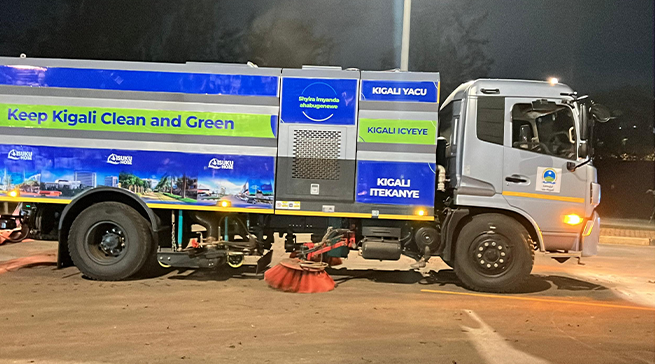
The Rwanda Utilities Regulatory Authority (RURA) has announced a series of measures to address mounting concerns over waste management in Kigali, as residents raise complaints about high collection fees and the impact of poorly located landfills.
Across the capital, households have increasingly questioned the cost of garbage collection, with some accusing service providers of arbitrarily setting charges in the absence of clear public information on approved tariffs.
Communities living near dumping sites have also reported persistent foul odors and potential health risks, intensifying calls for tighter regulation of the sector.
In response, RURA’s Head of Water, Sanitation and Hygiene Regulation, Dr. Hussein Bizimana, said the regulator is prioritizing transparency in pricing and enforcement of service standards.
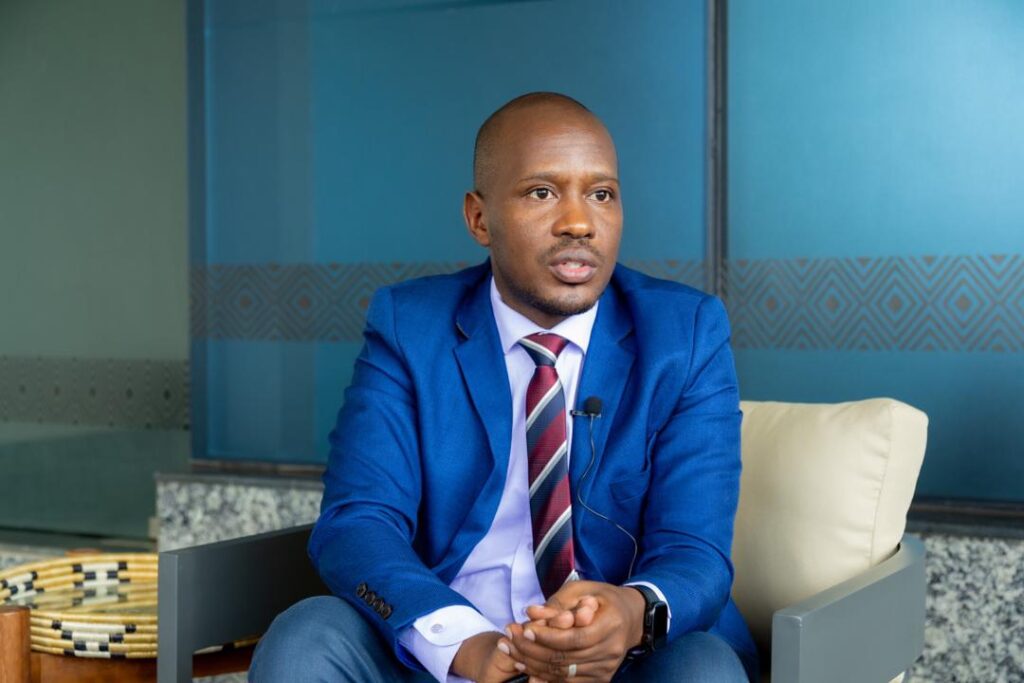
He noted that waste collection tariffs in Kigali are structured based on household categories and affordability levels, adding that residents have the right to verify the fees they are charged through official channels.
While service providers may reclassify households based on factors such as waste volume or living standards, Bizimana stressed that they are not allowed to exceed the tariffs set by the regulator.
He warned that companies found overcharging risk sanctions, including termination of contracts in collaboration with local authorities.
Under the current framework, each sector is assigned a single licensed waste collection company, although large commercial establishments such as hotels and restaurants are allowed to negotiate separate arrangements.
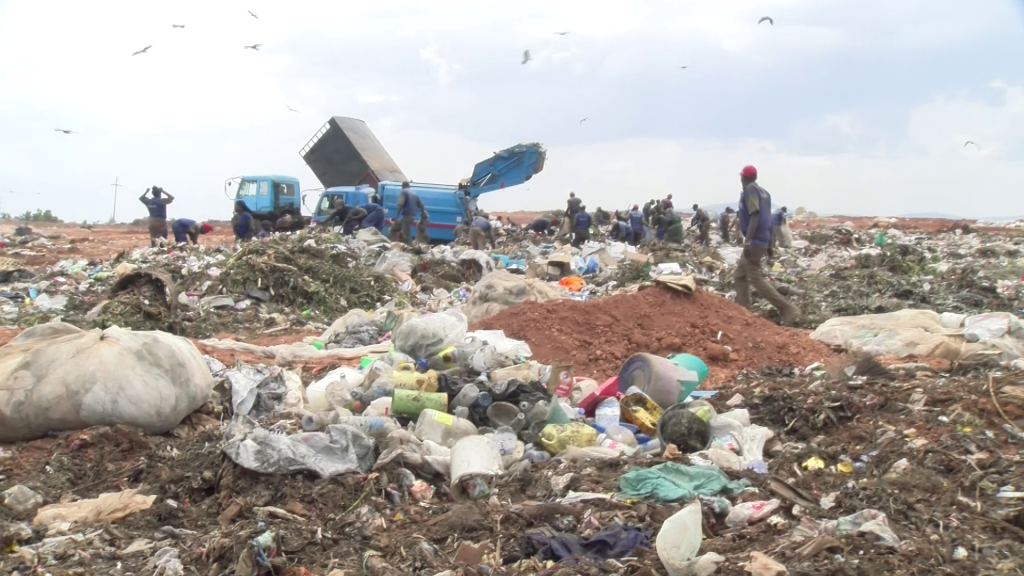
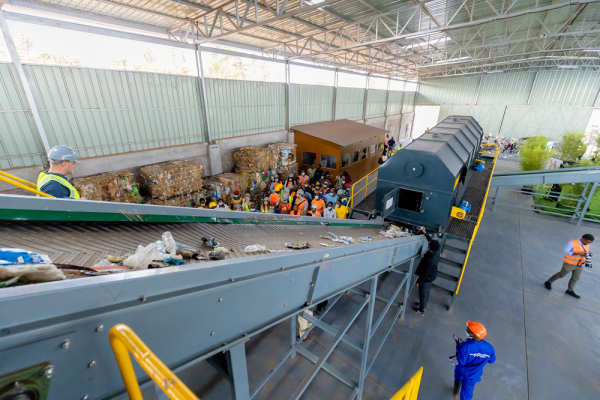
RURA is also moving to address broader sanitation challenges, including waste segregation and landfill management. Efforts are underway to strengthen sorting systems in urban areas and expand infrastructure to support recycling and reuse.
New landfill sites are being developed in districts such as Musanze, Karongi, Kayonza, and Rusizi, aimed at improving waste processing and enabling the separation of biodegradable and non-biodegradable waste.
Bizimana emphasized that future landfill development will strictly avoid residential zones, noting that modern facilities must be built in designated areas and designed to prevent environmental contamination.
The regulator also acknowledged concerns over visible waste and foul smells in parts of Kigali, linking the issue in some cases to inadequate wastewater treatment systems in large buildings.
He said developers are required to secure approval for sanitation systems before construction and to use qualified professionals to ensure compliance with standards.
RURA says the ongoing reforms are part of a broader effort to strengthen sanitation services nationwide, while urging residents to play a role by sorting waste and safeguarding public infrastructure.