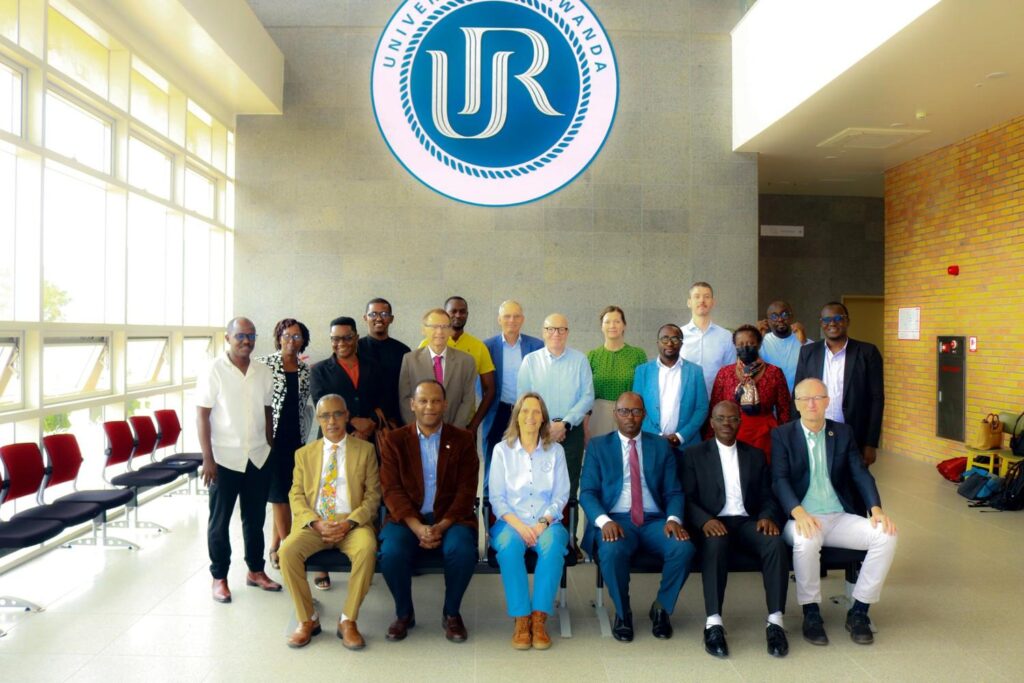
Four higher learning institutions including the University of Rwanda, the University of Global Health Equity (UGHE), INES-Ruhengeri, and Aarhus University of Denmark have entered into a strategic partnership aimed at strengthening medical education, research, and innovation in Rwanda and beyond.
The collaboration was officially launched in Kigali and is expected to enhance the training of health professionals by improving academic capacity, modernizing teaching approaches, and aligning medical education with global standards.
A key milestone of the partnership is the establishment of a Global Health Hub in Kigali, a platform designed to facilitate joint research, academic exchange, and innovation among partner institutions.
The hub is also expected to serve as a center for strengthening collaboration in higher education, particularly in health sciences, while promoting evidence-based solutions to regional and global health challenges.
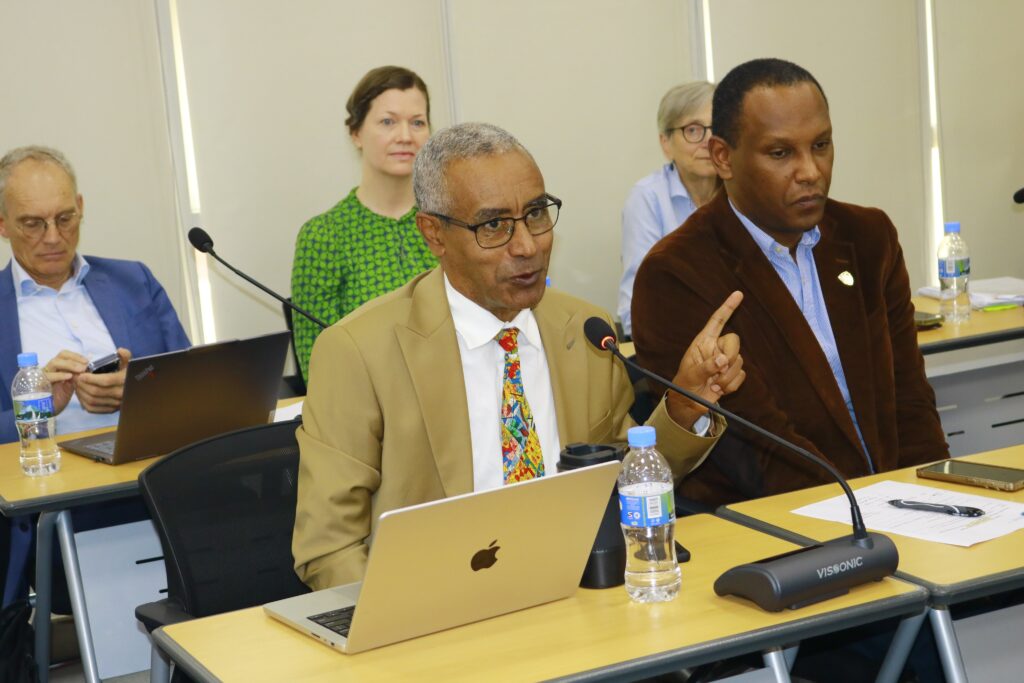
Speaking at the launch, Abraham Haileamlak Mitike, Dean of the College of Medicine and Health Sciences at the University of Rwanda, described the initiative as a significant step forward in strengthening institutional collaboration.
He said the partnership brings together three Rwandan universities and an international partner, noting that it reflects a long-term commitment to advancing health education through shared expertise.
While initial support will be coordinated through Denmark, partners indicated that the initiative is expected to attract additional international collaborators in the future.
The Global Health Hub is closely aligned with Rwanda’s national 4×4 health workforce strategy, which seeks to significantly increase the number of health professionals within a four-year period to meet growing demand in the sector.
Mitike emphasized that the University of Rwanda, as a key public institution in health training, will play a central role in implementing the initiative.
He noted that the partnership is expected to expand student enrollment, strengthen academic staff capacity, and integrate technology into medical training.
Over the long term, the hub is projected to benefit more than 20,000 students across the participating institutions through improved training and research opportunities.
It also aims to support the training of at least 100 PhD graduates over the next decade through joint supervision, curriculum development, and collaborative research programs.