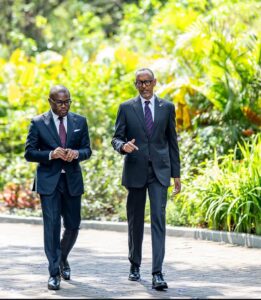
Botswana, widely regarded as one of Africa’s most stable democracies and economic success stories, is set to host President Paul Kagame on an official working visit, highlighting its transformation from a low-income, post-colonial state into a resource-driven upper-middle-income economy.
From extreme poverty to sustained growth
Botswana gained independence in 1966 following the end of British colonial rule. At independence, it was among the poorest countries globally, with extremely limited infrastructure, including only about 12 kilometres of paved roads nationwide.
Over the past six decades, the country has recorded one of Africa’s most consistent development trajectories, driven by prudent management of natural resources—particularly diamonds—and a growing tourism industry.
Political leadership and national profile
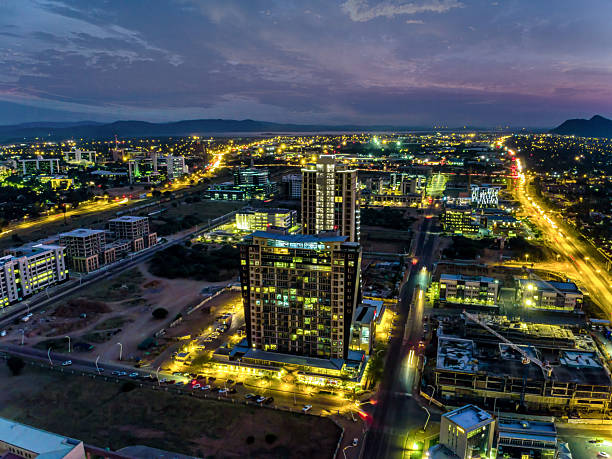
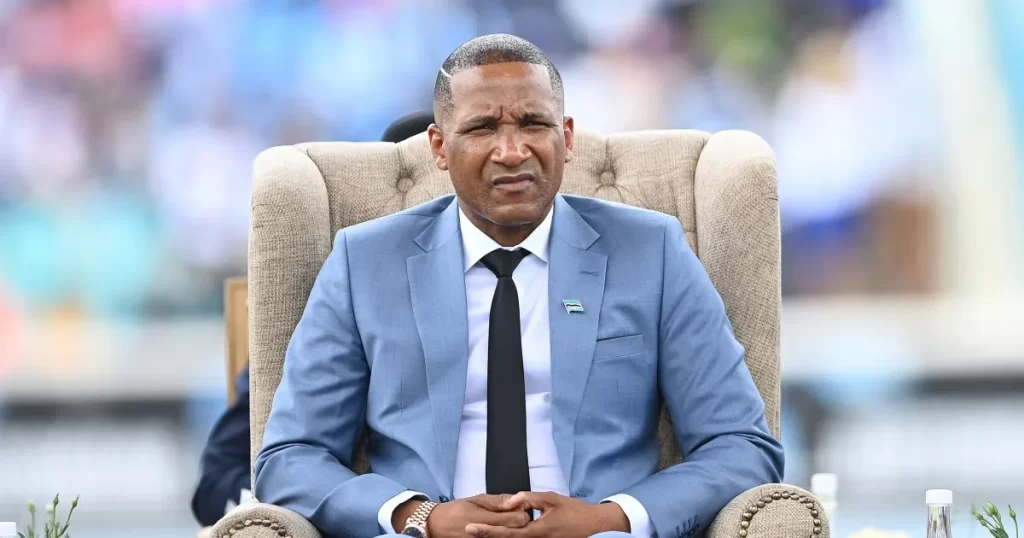
The country is currently led by President Duma Boko, who assumed office in 2024. Its capital is Gaborone, and it has a population of approximately 2.6 million people spread across a vast land area of 581,730 square kilometres.
Desert landscape and global tourism appeal
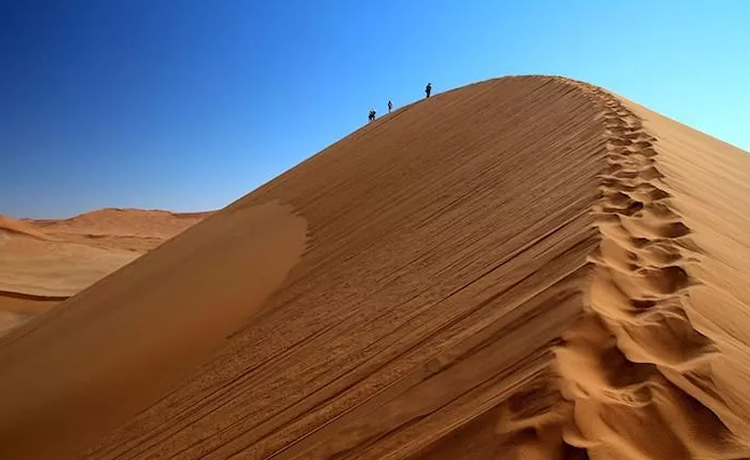
A defining feature of Botswana is its arid geography, with around 70% of the country covered by the Kalahari Desert. The desert’s unique ecosystem has become a major tourism draw, offering rare wildlife experiences and pristine natural landscapes.
Located in Southern Africa, Botswana shares borders with South Africa to the south, Zimbabwe to the north, Namibia to the west, and Zambia to the northeast.
Diamond economy at the heart of growth
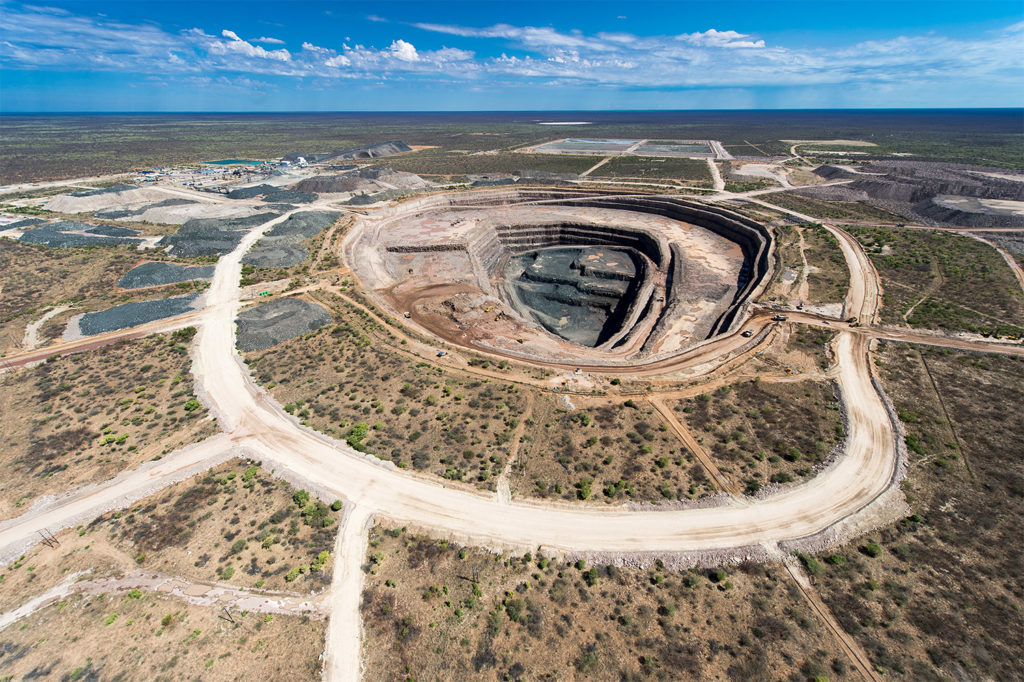
Botswana is Africa’s leading diamond producer and ranks second globally after Russia. It is also internationally recognised for producing some of the highest-quality diamonds.
In 2024, the country reinforced its global mining reputation after the discovery of one of the world’s largest diamonds, weighing 2,492 carats.
Wildlife and conservation tourism
Tourism remains Botswana’s second-largest revenue source, supported by strong conservation policies and high-value eco-tourism.
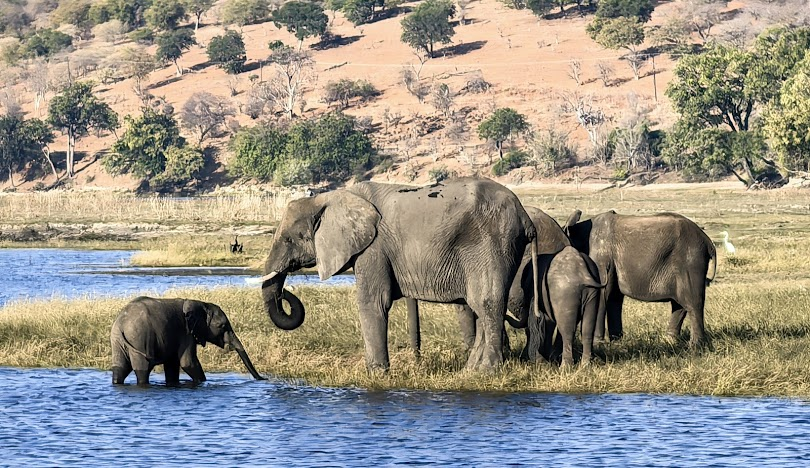
The country is home to more than 130,000 elephants—about one-third of Africa’s total population—making it one of the world’s most important elephant habitats and a major safari destination.
A key attraction is the Okavango Delta, a unique inland river system that spreads into the Kalahari Desert instead of flowing into the sea. The delta, recognised as a UNESCO World Heritage Site, is renowned for its biodiversity, including rich birdlife and large populations of wild animals.
Culture, governance, and national identity
Botswana’s official administrative language is English, while Setswana is widely spoken as the dominant cultural language.
The Tswana ethnic group makes up about 79% of the population, followed by Kalanga (11%) and San (Basarwa) communities.
Cattle ownership remains a deeply rooted cultural and economic symbol, often associated with social status and heritage.
The country is also known for its long-standing democratic stability. A key feature of its governance system is the “Kgotla” tradition, a public forum where citizens participate in open dialogue and decision-making, reflecting strong community-based governance.
Another national symbol is the word “Pula,” meaning rain, which is used as the national currency name, a greeting, and a symbol of prosperity—reflecting the country’s reliance on rainfall in an otherwise arid environment.
Education and long-term vision
Botswana has invested heavily in education, expanding access to secondary and tertiary education, often at low or subsidised cost.
The country is also implementing Vision 2036, a long-term strategy aimed at transitioning into a knowledge-based economy driven by innovation, skills development, and technology.