On May 2, 1994, violence against Tutsi civilians escalated across Rwanda, marking a grim chapter in the Genocide against the Tutsi as mass killings continued under the genocidal regime.
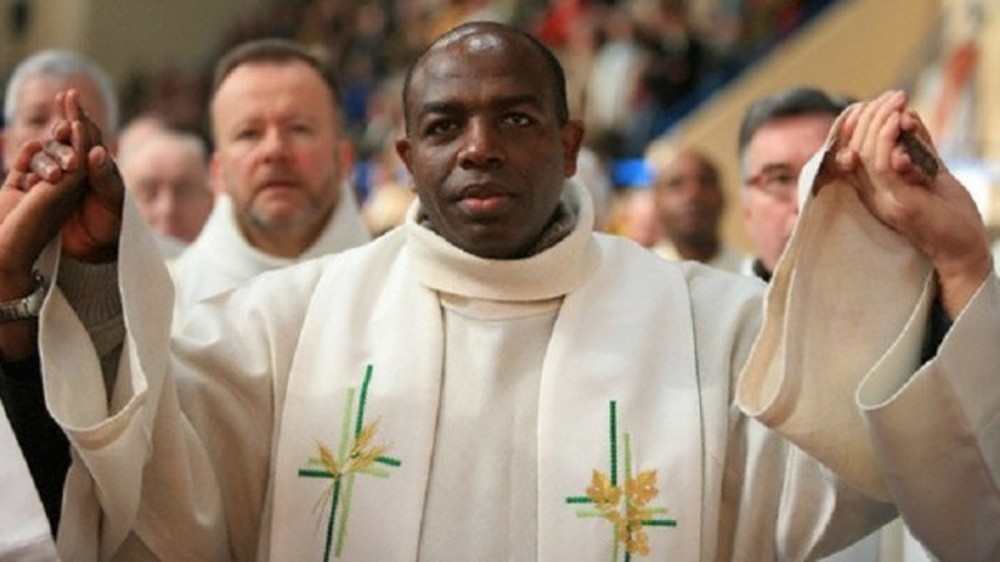
Survivor accounts point to grave atrocities at Sainte-Famille Parish in Kigali, where Father Wenceslas Munyeshyaka has been repeatedly cited in testimonies as being implicated in violence against Tutsi who had sought refuge at the parish and nearby facilities, including Centre National de Pastorale Saint-Paul.
According to witnesses, meetings involving local authorities, military officers and militia leaders preceded coordinated attacks on displaced Tutsi. In the aftermath, killings intensified at Sainte-Famille and surrounding areas, with many victims targeted while seeking protection.
Testimonies from survivors also allege that Munyeshyaka was directly involved in killings and facilitated abuses, including the abduction of refugees and acts of sexual violence committed by militia members within the parish compound.
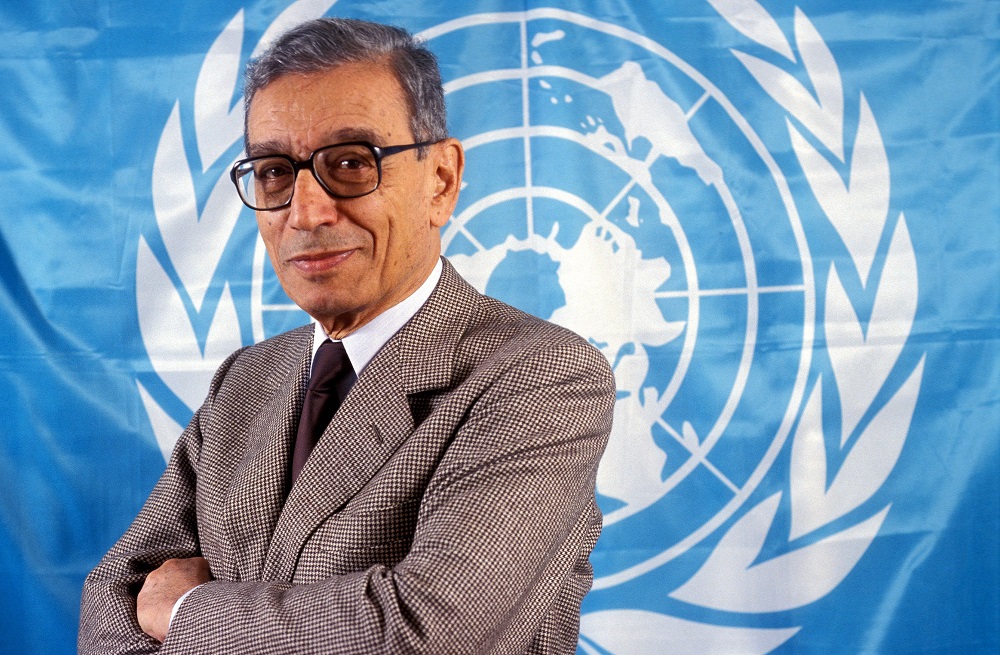
On the same day, then United Nations Secretary-General Boutros Boutros-Ghali publicly stated on international television that genocide was underway in Rwanda. Despite this acknowledgment, no immediate international intervention followed to halt the mass atrocities.
As the killings persisted, the Rwanda Patriotic Front (RPF) continued its military advance toward eastern regions, including Kibungo, while rejecting mediation efforts led by the United Nations at the time.
Reports also indicated that bodies of victims were being dumped into rivers and lakes, with Ugandan media stating that Lake Victoria had been filled with corpses from Rwanda.
Elsewhere, massacres continued unabated. In the former Gisenyi Prefecture, at least 170 Tutsi who had taken refuge in Nyundo church were killed on the same date.
The events of May 2, 1994 underscore both the intensity of the violence and the international community’s failure to act decisively, even after clear acknowledgment that genocide was taking place.