The Auditor General has raised concerns over the persistent underutilization of government-provided textbooks in schools, warning that gaps in distribution and usage could undermine the quality of education in Rwanda.
The findings are contained in the audit report for the fiscal year ending June 30, 2025, which was presented to both chambers of Parliament on May 6, 2026.
Lawmakers questioned how education outcomes can improve when only 29% of primary school learners and 49% of lower secondary students are effectively accessing and using textbooks already supplied by the government.
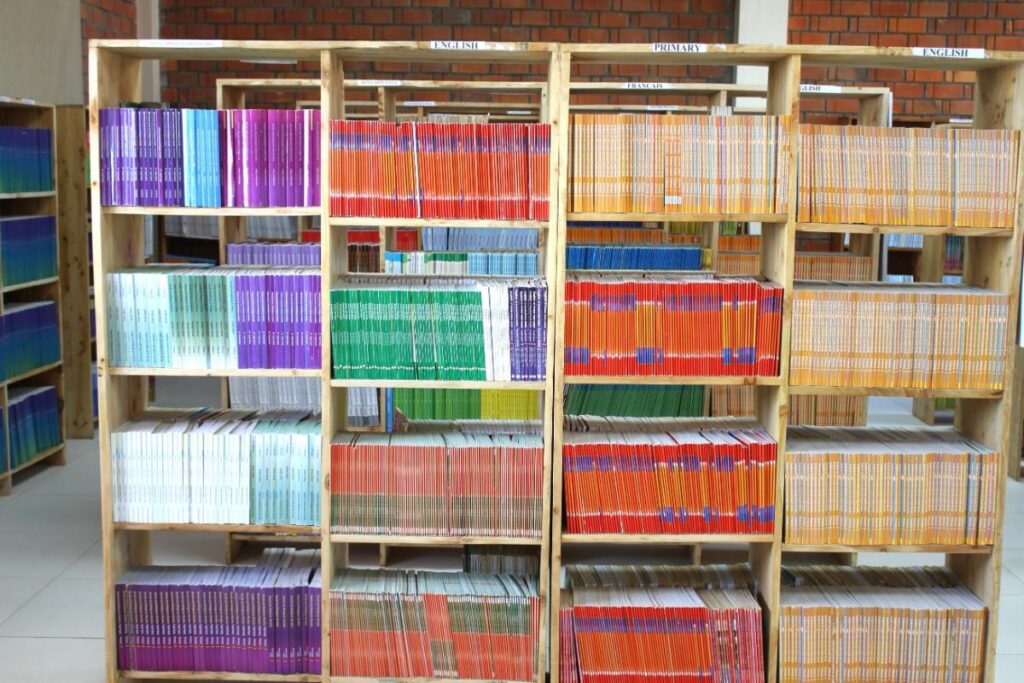
Auditor General Alexis Kamuhire noted that between 2022 and 2025, more than three million textbooks were distributed to primary and secondary schools across the country. However, a significant share of these materials is not reaching learners or is not being used in classrooms.
A review of 43 sampled schools found low textbook utilization rates, with only 29% usage in primary schools and 49% in lower secondary schools—levels described as insufficient to support effective learning.
The report further highlights serious inefficiencies in distribution. Between March and August 2025, over one million textbooks valued at approximately Rwf 1.4 billion were received but remained largely unused.
A follow-up inspection in April 2026 revealed that 61% of the books had stayed in storage for up to eight months, while 39% had remained unused for more than a year.
In Technical and Vocational Education and Training (TVET) institutions, the audit also identified underuse of teaching materials. A survey across 75 schools showed that 59% of instructional resources were not being utilized.
The Rwanda Basic Education Board (REB) has been urged to fast-track textbook distribution and strengthen monitoring systems to ensure learning materials reach classrooms and are effectively used.
Lawmakers emphasized that improving textbook access and utilization is critical to enhancing learning outcomes and advancing national education quality targets.