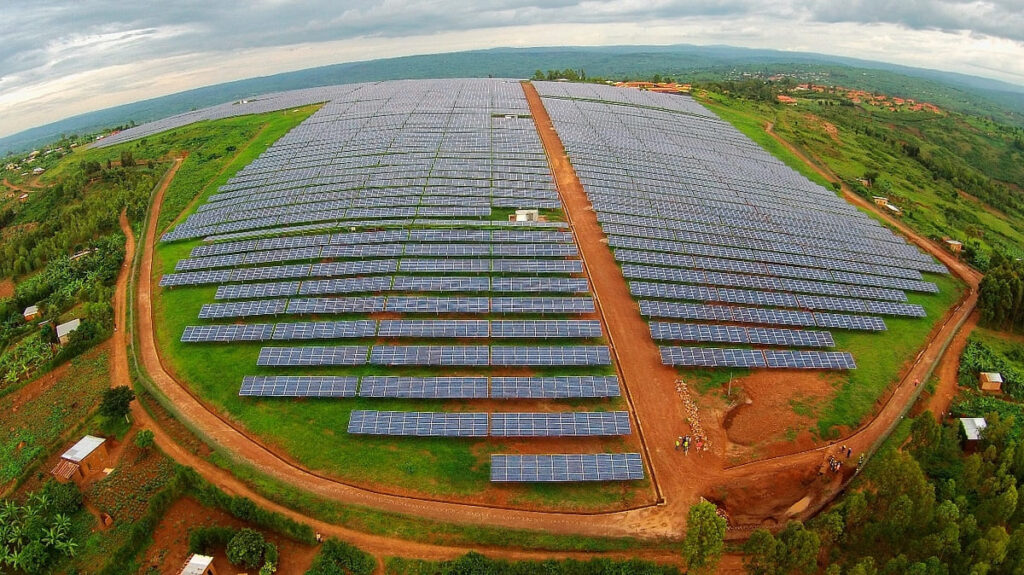
Rwanda has strengthened its commitment to renewable energy development after signing a cooperation agreement with the International Solar Alliance (ISA), aimed at scaling up solar energy adoption and supporting sustainable development.
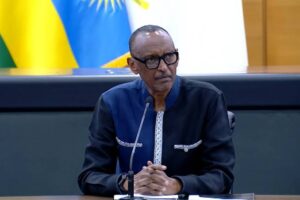
The agreement was signed in Kigali during an official ISA visit, between ISA Director General Ashish Khanna and Rwanda’s Minister of Infrastructure, Dr Jimmy Gasore.
The partnership establishes a framework for cooperation focused on expanding solar energy use across key sectors, including agriculture, household electrification, rooftop solar systems, and other clean energy solutions.
Officials said the agreement is expected to attract private sector investment in solar-powered irrigation, green technologies, and other energy innovations that support economic growth and climate resilience.
The initiative aligns with Rwanda’s broader strategy to position itself as a regional leader in clean energy transition and environmental sustainability.
The International Solar Alliance (ISA) is a global initiative launched by India and France during COP21 in Paris in 2015, aimed at mobilizing countries to scale up solar energy solutions in response to climate change. More than 100 countries have signed the framework, with over 90 already ratifying it as full members.
The alliance targets mobilizing up to 1 trillion US dollars in solar energy investments by 2030.
Rwanda has recorded significant progress in expanding electricity access nationwide, with installed generation capacity increasing from 110 megawatts in 2014 to 467 megawatts in 2025.
The Rwanda Energy Group (REG) says continued investment in renewable energy is expected to further expand access while reducing environmental impact.
During the 2025 to 2026 fiscal year, more than 210,000 households are expected to be connected to the national grid, while over 50,000 households will access solar home systems.
The government has allocated over Frw110.4 billion to electricity expansion projects in the current fiscal year.
Electricity access in Rwanda has risen sharply, reaching about 85 percent in 2025, up from below 2 percent in 2000 and 10 percent in 2015, with renewable energy now accounting for an estimated 56 percent of the national energy mix.