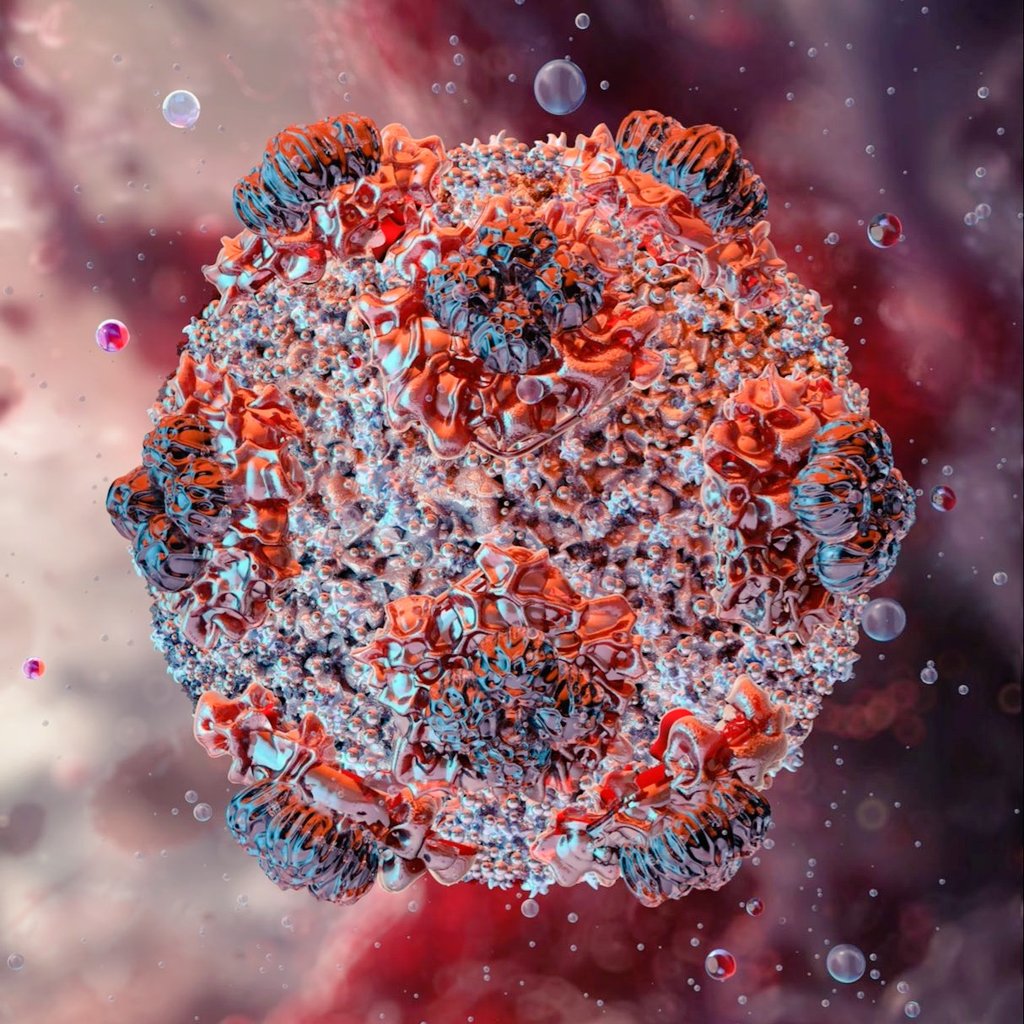
Rwanda’s health authorities have stepped up surveillance and prevention measures against Hantavirus following the emergence of cases and suspected infections in several countries across the world.
The move was announced by Rwanda Biomedical Centre (RBC), which said no case of the virus has so far been detected in Rwanda, but authorities remain on high alert amid growing international concern over the disease.
Countries where cases or suspected infections linked to Hantavirus have recently been reported include Argentina, South Africa, the Netherlands, Switzerland, Spain and the United Kingdom.
What is Hantavirus?
Hantavirus is a viral disease primarily carried by rodents, especially rats and mice. Humans can become infected through inhaling air contaminated with rodent urine, saliva or droppings.
The virus can also spread through contact with contaminated surfaces followed by touching the mouth, nose or eyes, or through consumption of contaminated food and water.
Health officials say the strain associated with the current outbreak concerns is the Andes virus, the only known type of Hantavirus capable of limited human-to-human transmission, although such cases remain rare and usually involve prolonged close contact.
Symptoms can appear between one and eight weeks after exposure and include fever, chills, headaches, muscle pain, fatigue, abdominal pain, nausea, vomiting and diarrhea.
In severe cases, patients may develop respiratory complications such as coughing, chest pain and breathing difficulties.
Rwanda strengthens monitoring and preparedness
RBC said several measures have already been activated to strengthen preparedness and early detection.
These include enhanced monitoring of unusual fever and respiratory illnesses, reinforced screening at borders and airports, expanded laboratory testing capacity, and additional training for healthcare workers to improve early diagnosis and response.
Authorities are also working with veterinary and environmental institutions under the “One Health” approach to monitor rodents and wildlife that may contribute to transmission.
RBC urged the public to seek medical attention promptly when experiencing flu-like symptoms, noting that Hantavirus symptoms can resemble illnesses such as influenza, malaria and COVID-19.