In the past five years, farmers in Gicumbi District say they were severely affected by soil erosion, which continuously washed away fertile soil, leading to low agricultural production, recurring food insecurity, and persistent poverty.
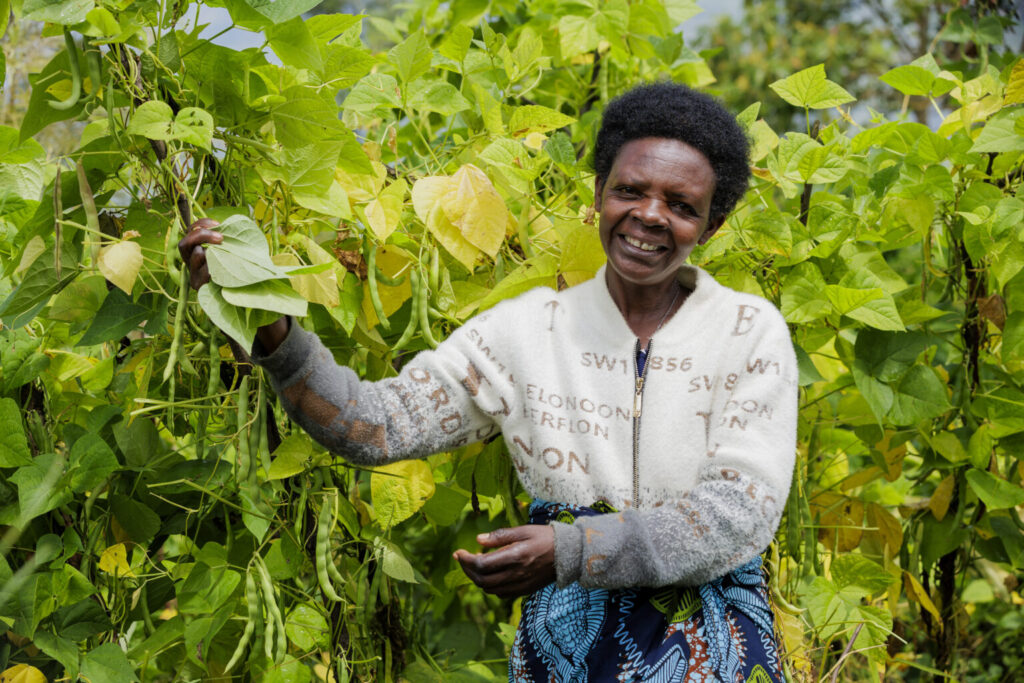
One of the farmers from Cyumba Sector, Nyiramana Odette, says that like many others, she used to farm without meaningful harvests because her fields were located on steep slopes that were highly vulnerable to erosion.
She explains that most of her crops were repeatedly destroyed before maturity, leaving her household trapped in cycles of poverty and hunger.
Today, however, she says that situation has changed significantly following the Green Gicumbi project, which introduced bench terraces that transformed farming practices in the area.
“Before, I could harvest only about 50 kilograms from my field. Now I harvest more than 200 kilograms because of the terraces,” she said.
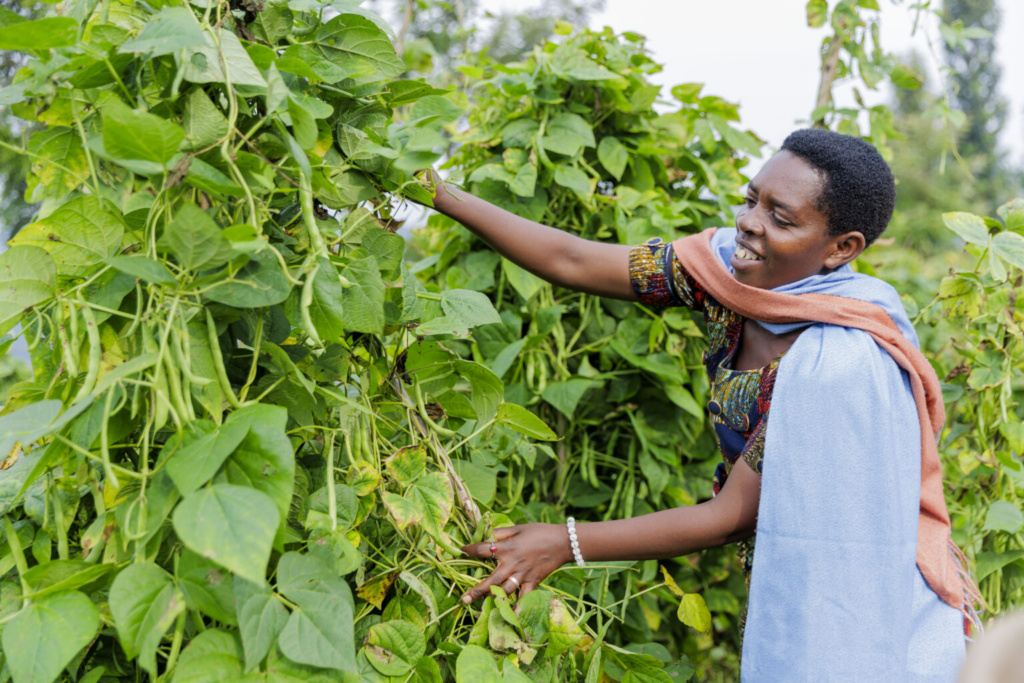
She added that improved soil conservation has also increased soil fertility and fertilizer retention, leading to better yields across all crops.
“We no longer face constant hunger. We are now food secure and can even sell surplus produce,” she said.
Beyond food security, Nyiramana says the project has improved her household income and living conditions, enabling her to pay school fees and afford basic needs.
“I used to be very poor and could not afford clothes. Now I can buy what I need and educate my children,” she said.
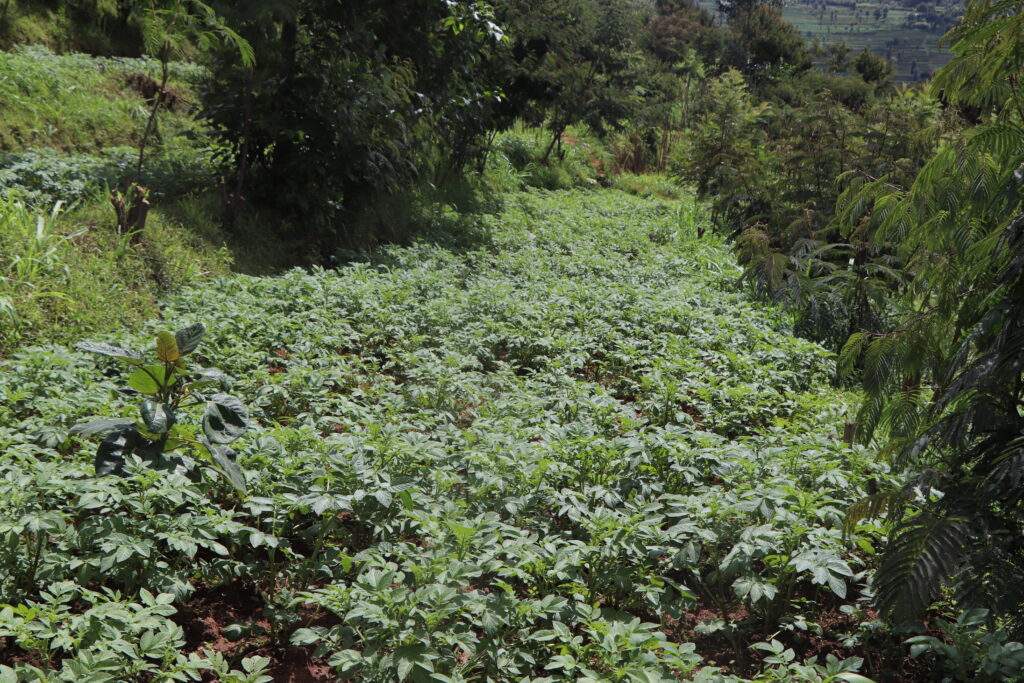
Farmers also note a shift in farming practices, from mixed cropping on fragmented plots to consolidated land use supported by terracing and crop rotation based on seasons.
“We used to mix crops like beans, maize and peas in one field. Now we cultivate a single selected crop and rotate depending on the season,” Nyiramana said.
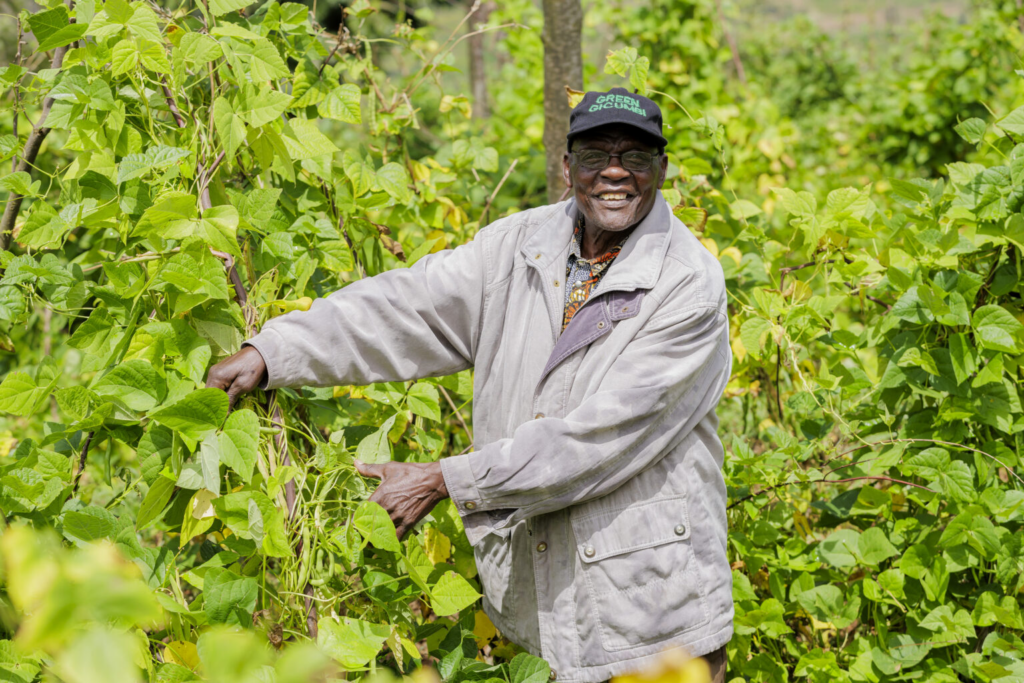
Another farmer, Habubwenge Sébastien, also highlights significant productivity gains.
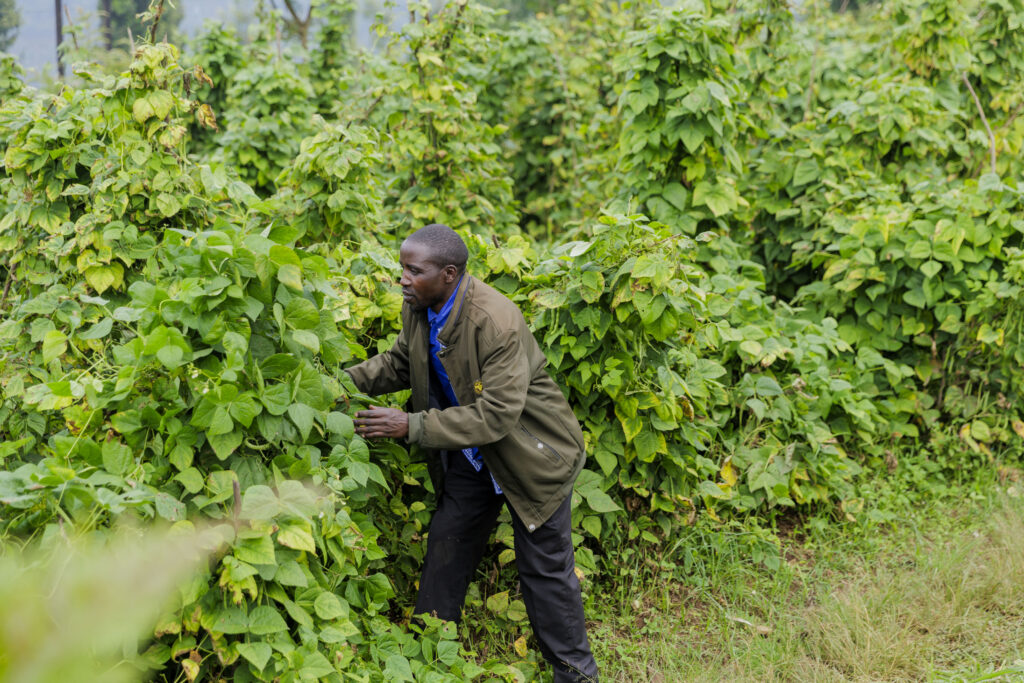
“Previously, we harvested around 100 kilograms of beans. Now we harvest up to 400 kilograms thanks to bench terraces,” he said. “We also grow fodder on terraces, which has improved livestock production and milk yields.”
Green Gicumbi is one of Rwanda’s major climate resilience initiatives aimed at addressing the impacts of climate change while promoting sustainable livelihoods. The project is implemented by the Rwanda Green Fund.
Project manager Kagenza Jean Marie Vianney says assessments conducted in 2018 identified Gicumbi District as one of the most climate-vulnerable areas in the country due to its mountainous terrain and severe soil erosion.
He explains that the project was designed to provide integrated solutions to land degradation while restoring ecosystems and strengthening community resilience.
Over the past six years, the project reports major achievements, including the construction of 1,450 hectares of terraces, agroforestry planting on nearly 10,000 hectares, and tree planting along 1,375 hectares of riverbanks and roadsides.
More than 25,000 people have also been trained in climate resilience and sustainable agriculture practices.
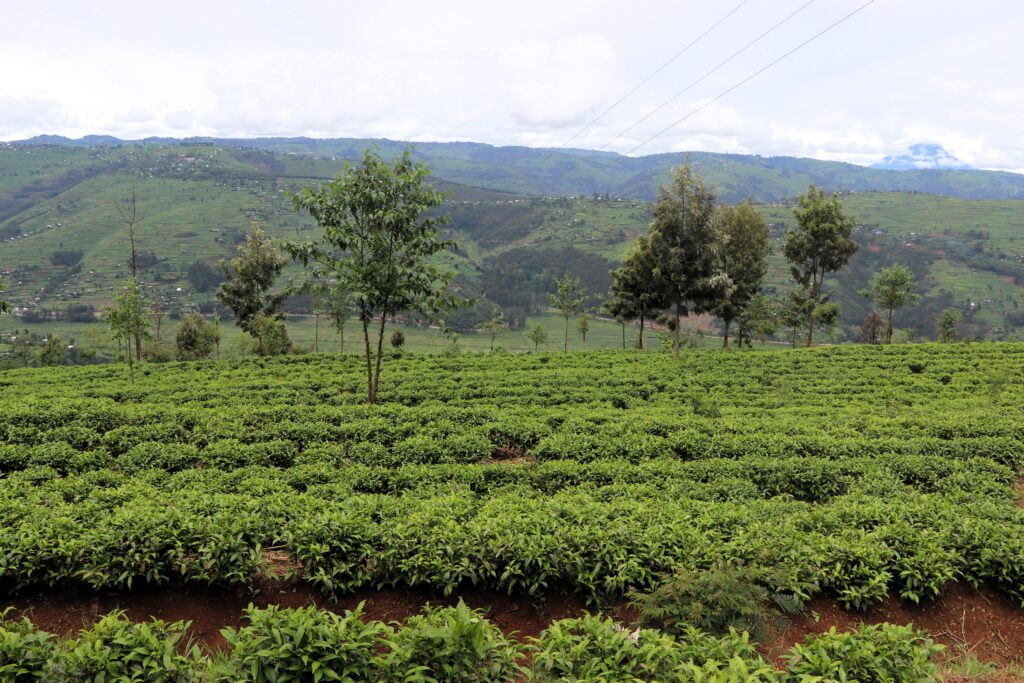
In addition, the project introduced hillside tea plantations on 50 hectares and coffee plantations on 40 hectares, both of which are now generating income for farmers.
The initiative is also credited with improving knowledge in integrated pest management, composting, rainwater harvesting, and climate-informed farming practices.
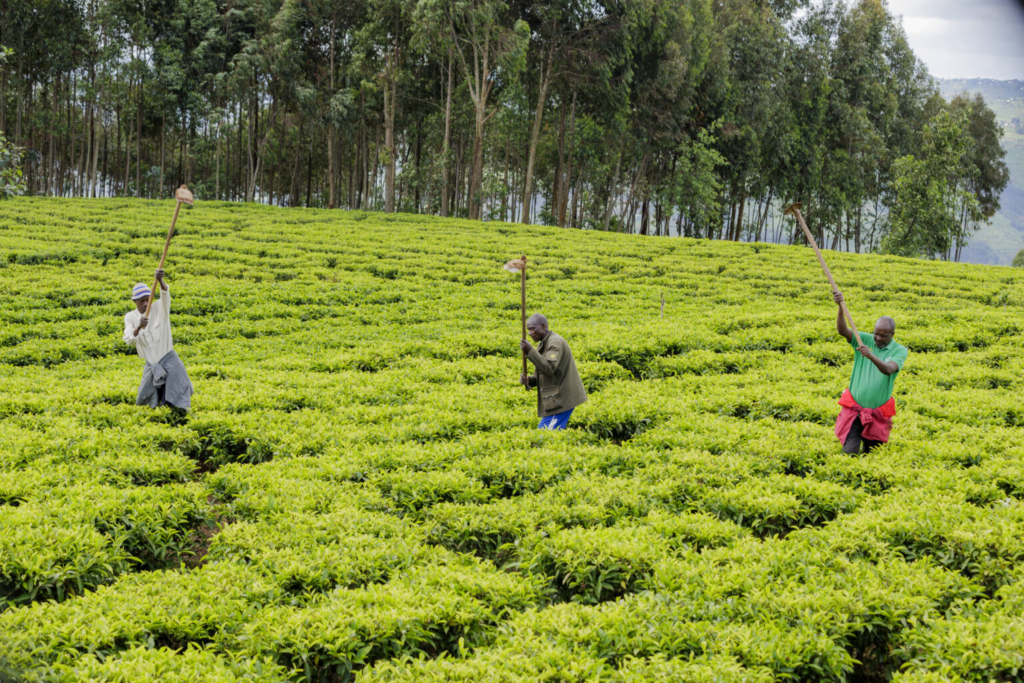
Kagenza says one of the key lessons from the project is the importance of an integrated approach to climate resilience rather than isolated interventions.
“Green Gicumbi has shown that combining land restoration, environmental protection and livelihood support delivers stronger and more sustainable results,” he said.
The project operates in nine sectors of Gicumbi District within the Muvumba watershed, including Rubaya, Cyumba, Kaniga, Mukarange, Rushaki, Shangasha, Manyagiro, Byumba and Bwisige.
Funded by the Green Climate Fund with over 32 million US dollars, Green Gicumbi is one of Rwanda’s largest climate resilience investments, linking environmental restoration with economic transformation.
Farmers say the project has not only restored degraded land but also transformed livelihoods, turning vulnerable households into more productive and climate-resilient communities.