After six years of implementation and an investment exceeding Rwf 33 billion, the Green Gicumbi Project has officially come to an end, leaving behind a legacy of climate resilience, environmental restoration, and improved livelihoods for more than 158,000 residents in Gicumbi District.
Launched in 2020 by the Rwanda Green Fund (FONERWA) with support from development partners, the flagship initiative was designed to help one of Rwanda’s most climate-vulnerable districts tackle the effects of climate change while promoting sustainable economic growth.
The project was officially closed on May 29, 2026, with government officials hailing it as a model for climate adaptation and green development.
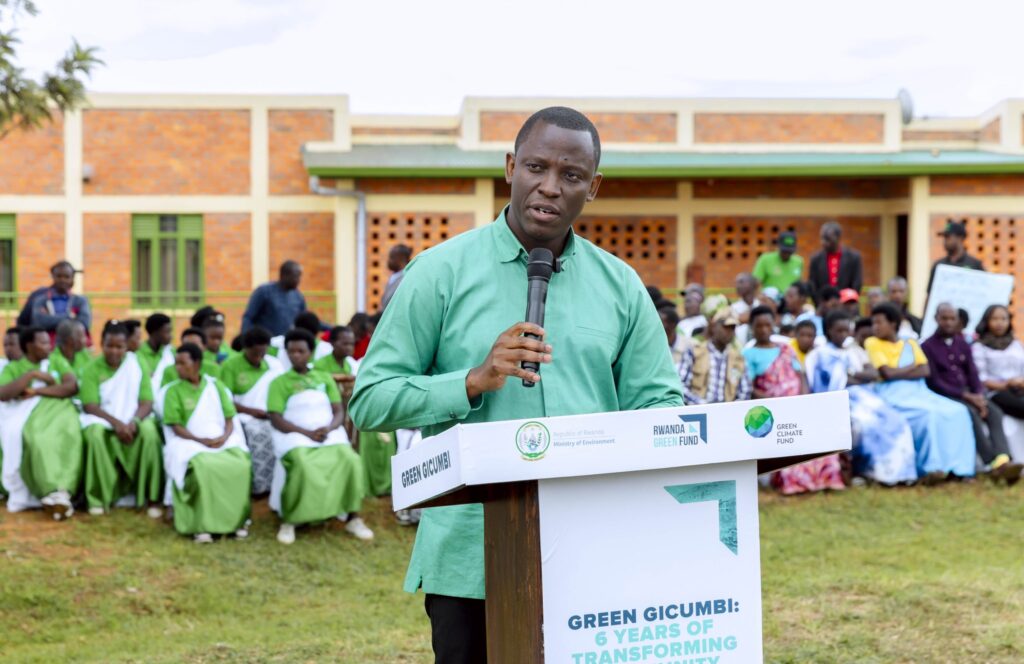
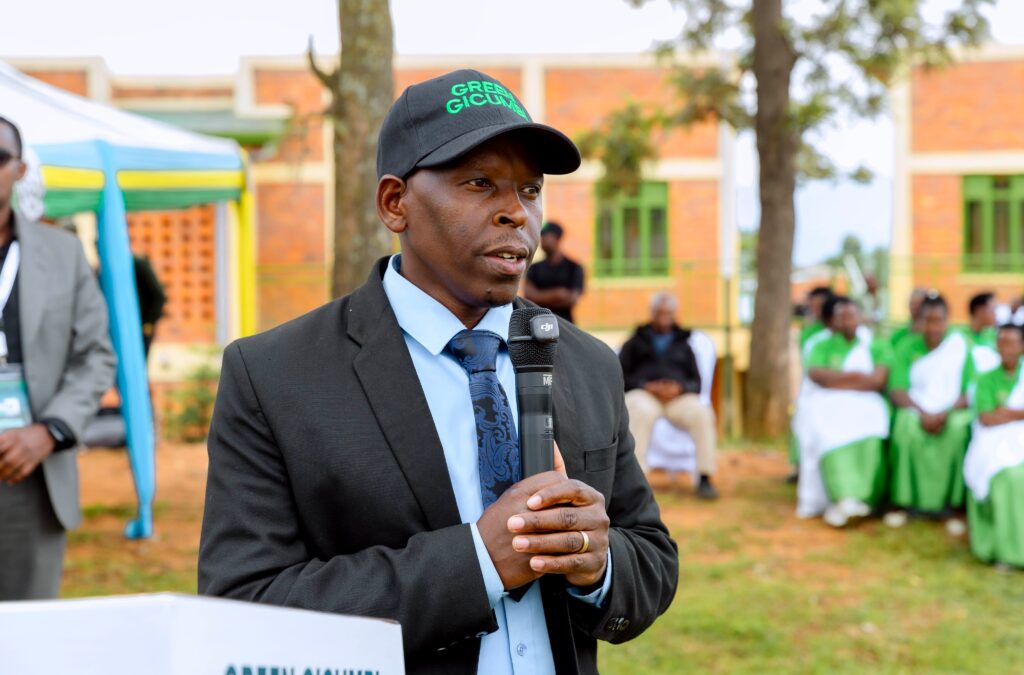
Speaking during the closing ceremony, Gicumbi District Mayor Emmanuel Nzabonimpa said the project had transformed what were once persistent challenges into opportunities for growth and prosperity.
“Before Green Gicumbi, this district was frequently affected by disasters, and many residents lived in uncertainty and poverty. Today, those challenges have largely been turned into solutions, contributing to improved livelihoods and stronger district performance,” he said.
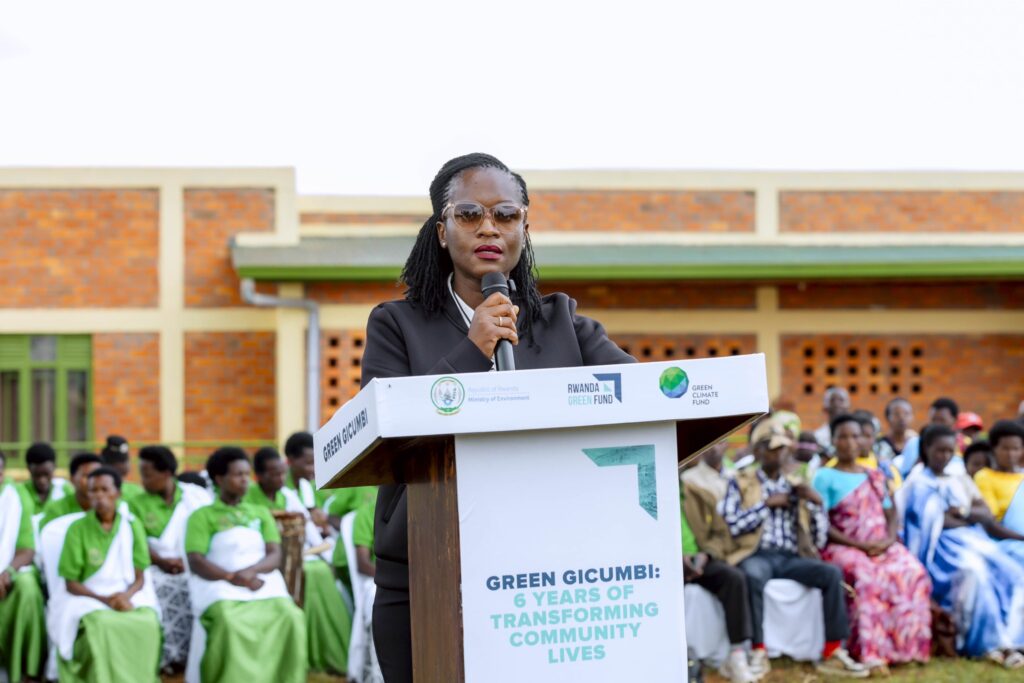
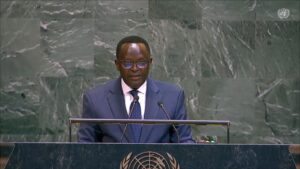
The Minister of Environment, Dr. Bernadette Arakwiye, said the project played a critical role in strengthening community resilience against climate-related shocks through investments in sustainable agriculture, environmental conservation, and land restoration.
“This project has empowered communities to better cope with the effects of climate change, one of the greatest challenges facing the world today. It demonstrates that environmental protection can go hand in hand with economic development,” she said.
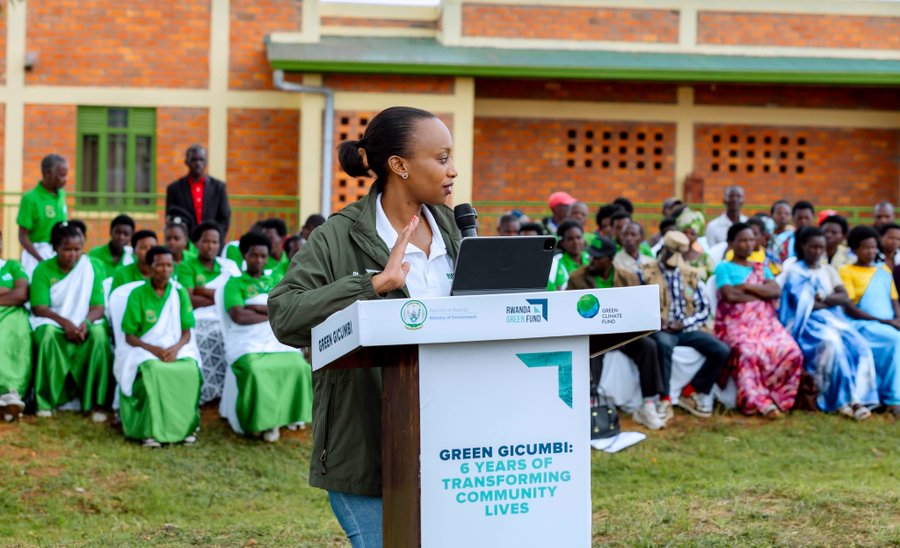
Minister of Local Government Dominique Habimana stressed that while the project has formally ended, its impact will continue through the infrastructure established and the skills transferred to communities.
“The closure of the project does not mark the end of its achievements. Green Gicumbi invested in long-term solutions and equipped communities with knowledge that will continue to generate benefits for years to come,” he said.
Transforming lives through green investments
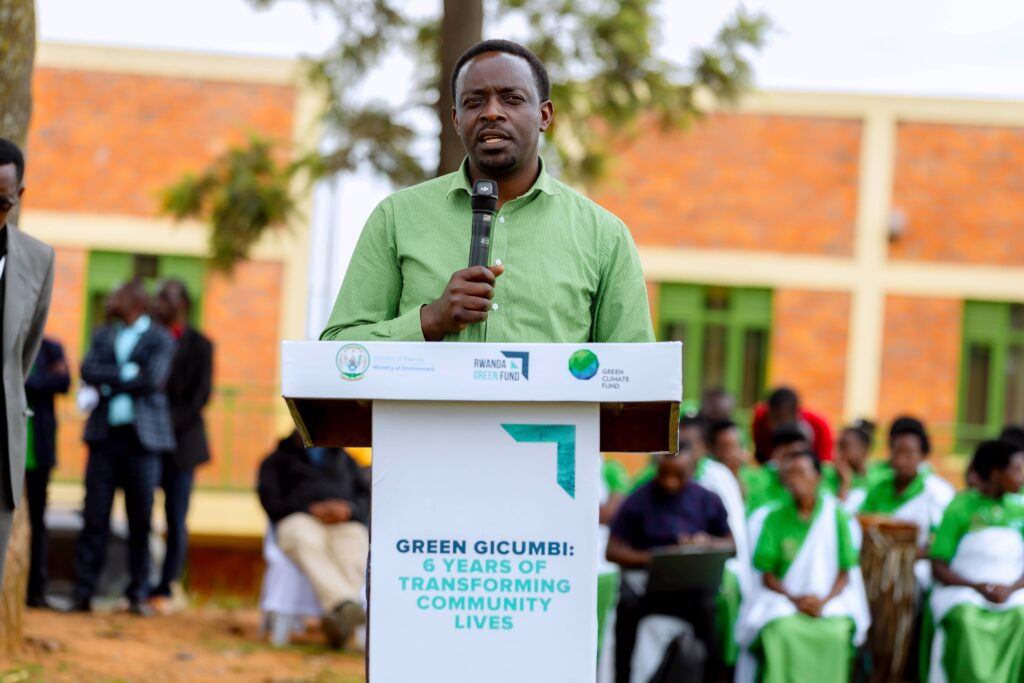
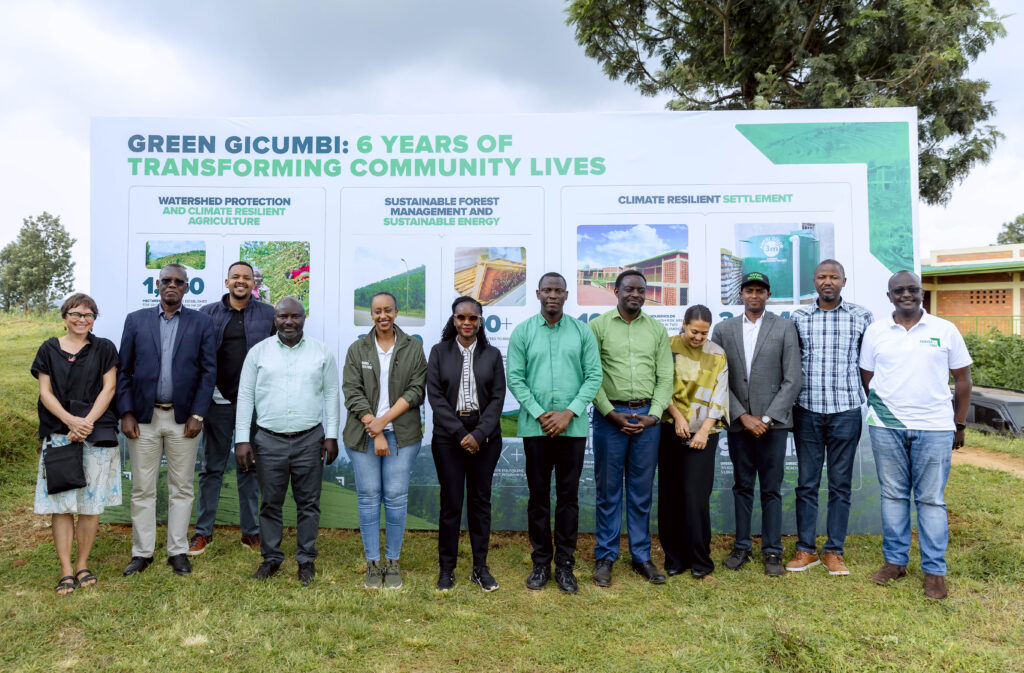
According to FONERWA Chief Executive Officer Teddy Mugabo, the project not only met but exceeded many of its targets, delivering tangible results across agriculture, environmental protection, renewable energy, water access, and community development.
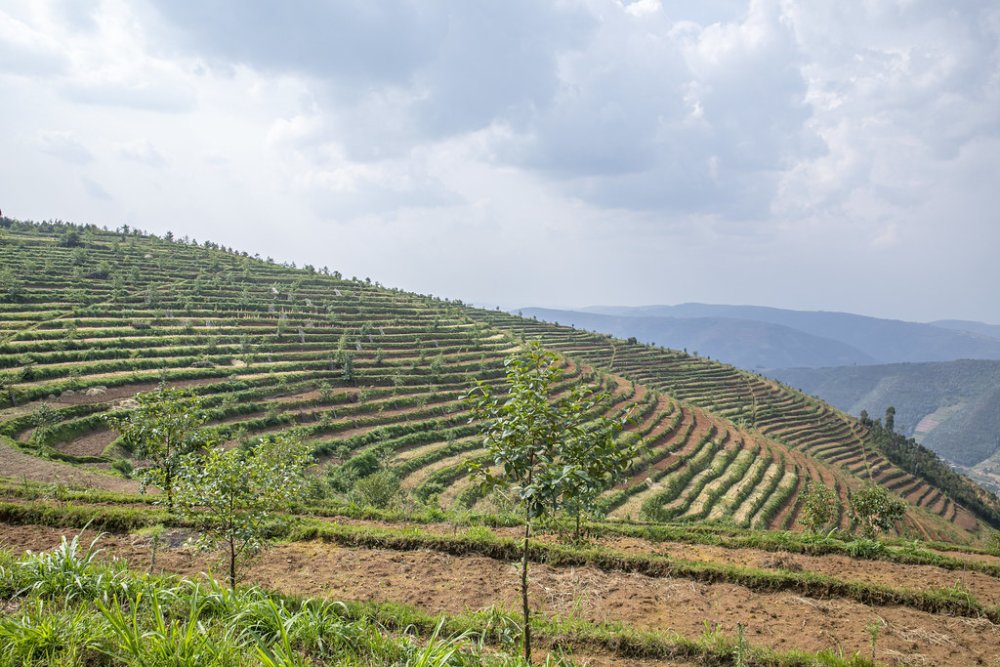
Over six years, the project constructed terraces on 1,450 hectares of land, restored more than 2,200 hectares of degraded forests, and planted agroforestry trees on nearly 10,000 hectares.
More than 25,000 residents were trained in climate resilience and sustainable land management practices, while 277 cows were distributed to vulnerable households to improve nutrition and agricultural productivity.
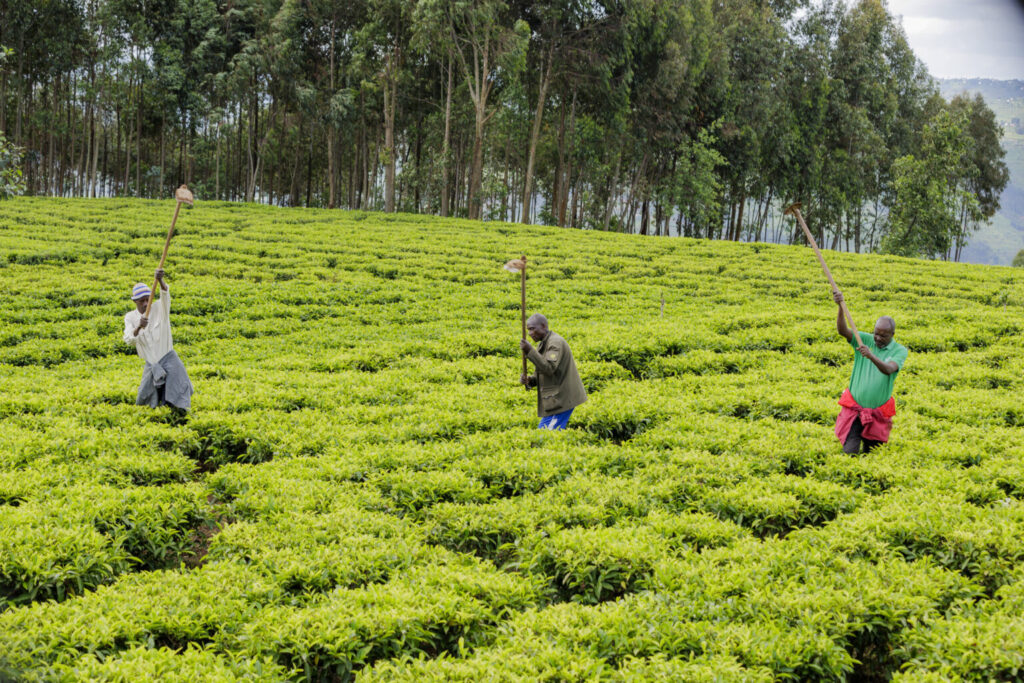
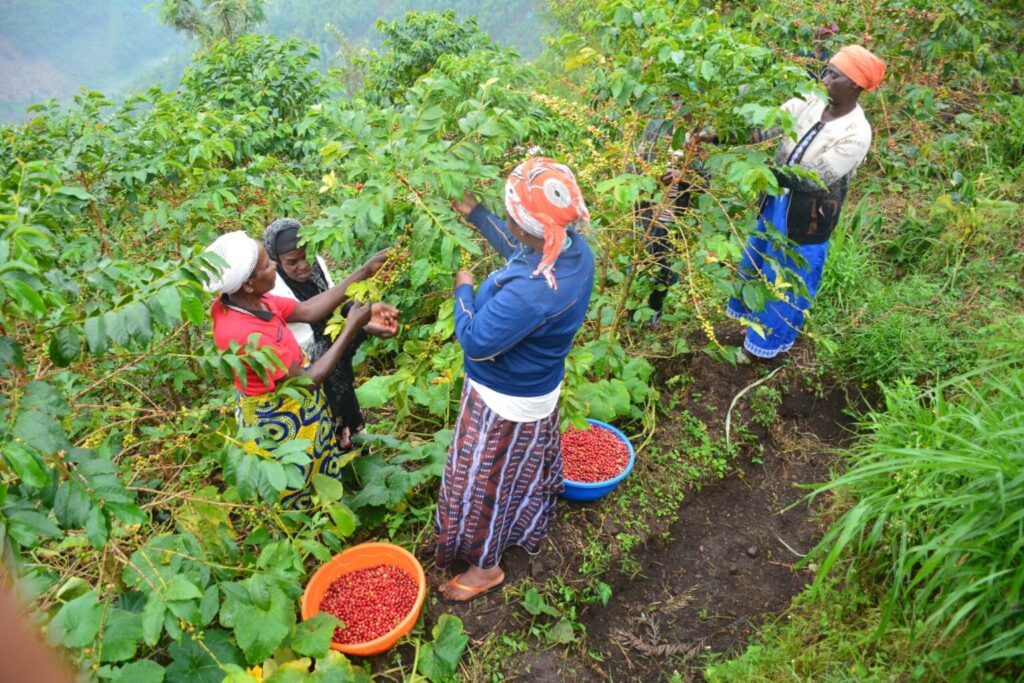
The initiative also supported income-generating activities through the establishment of tea plantations on 50 hectares and coffee plantations on 40 hectares, helping farmers combat soil erosion while increasing household earnings.
To reduce environmental degradation, over 31,000 households adopted energy-efficient cooking technologies, while 70 schools received improved cookstoves that reduce firewood consumption. These interventions prevented more than 275,000 tonnes of greenhouse gas emissions from entering the atmosphere.
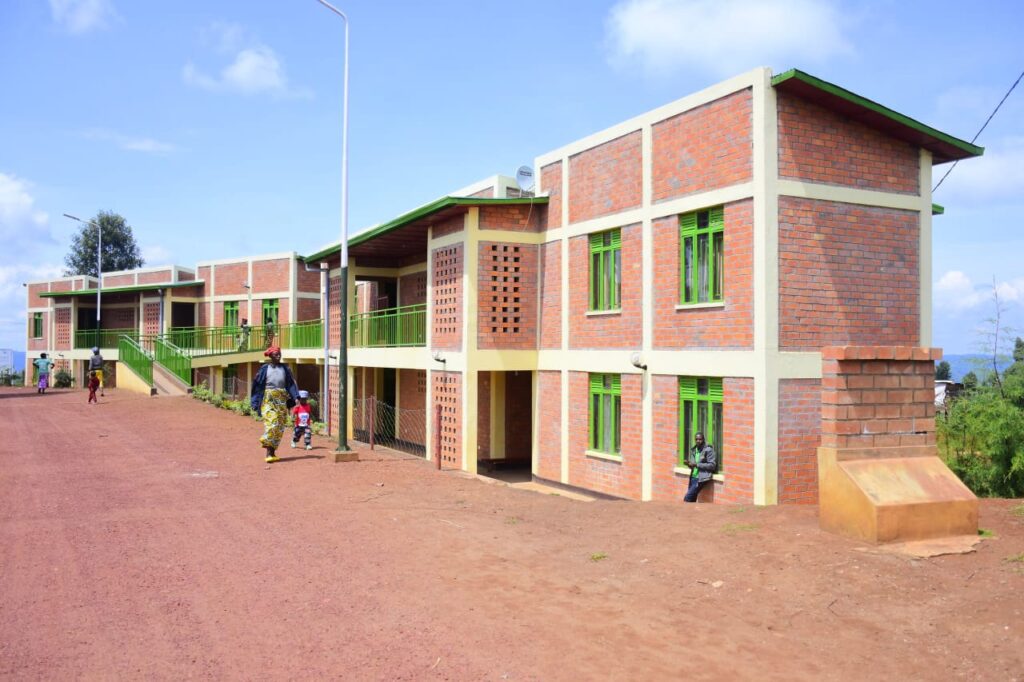
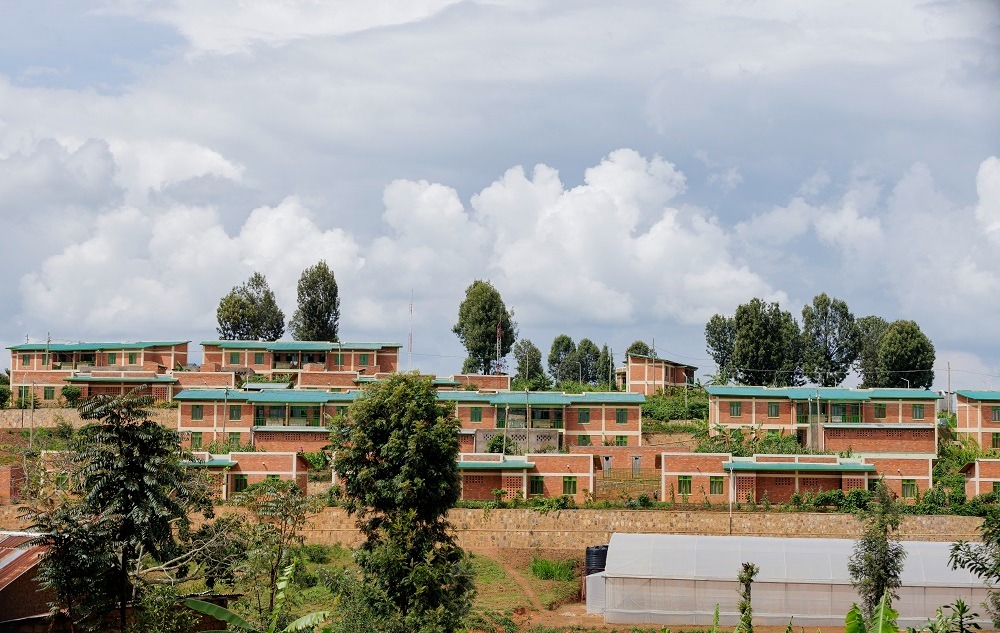
The project further improved access to clean water through the construction of 3,664 water tanks and relocated 100 vulnerable families from high-risk zones into safer model villages.
In total, Green Gicumbi directly and indirectly created employment opportunities for more than 100,000 people and reached over 158,000 beneficiaries, with women accounting for 52 percent of those impacted.
A blueprint for future climate action
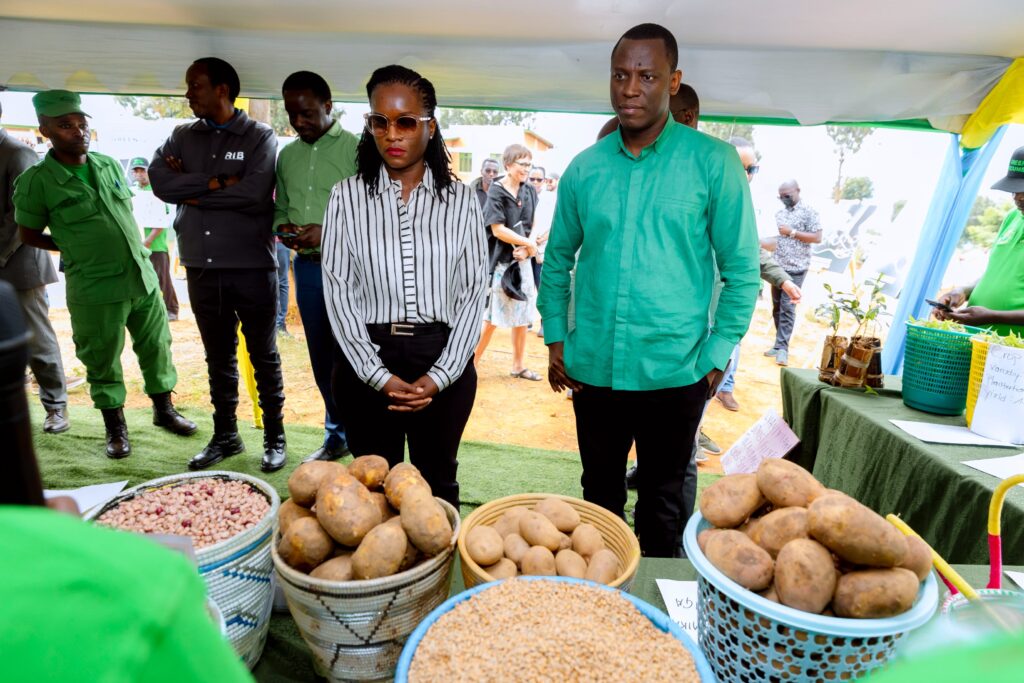
Beneficiaries say the project has dramatically improved agricultural productivity and household incomes.
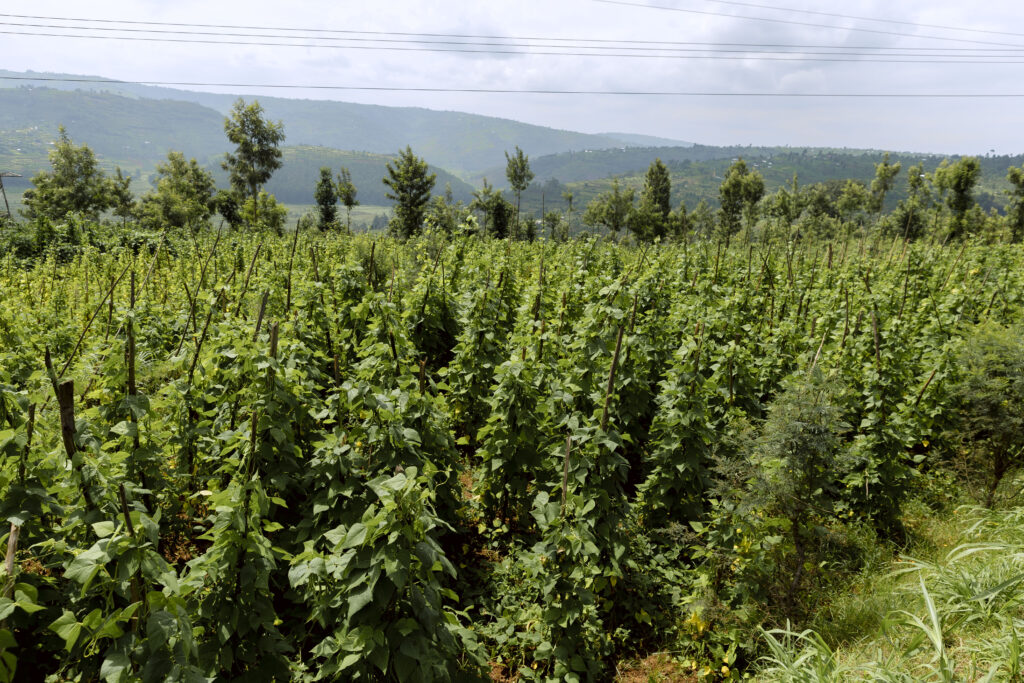
Farmers who once struggled with soil erosion and declining yields now report increased harvests and stronger resilience to extreme weather conditions.
Mugabo said lessons from Green Gicumbi are already shaping other climate resilience initiatives being rolled out in different parts of the country, including projects in Rulindo and Nyamagabe districts.
He added that future interventions will place greater emphasis on private-sector participation to ensure long-term sustainability and continued support for communities beyond project lifecycles.
As Rwanda intensifies efforts to build resilience against climate change, Green Gicumbi is widely regarded as one of the country’s most successful examples of how environmental protection, economic development, and community empowerment can be pursued simultaneously.
azamara igihe kirekire ndetse mu gihe yaba irangiye igakomeza gukurikiranwa n’abo bafatanyabikorwa bo mu nzego z’abikorera.