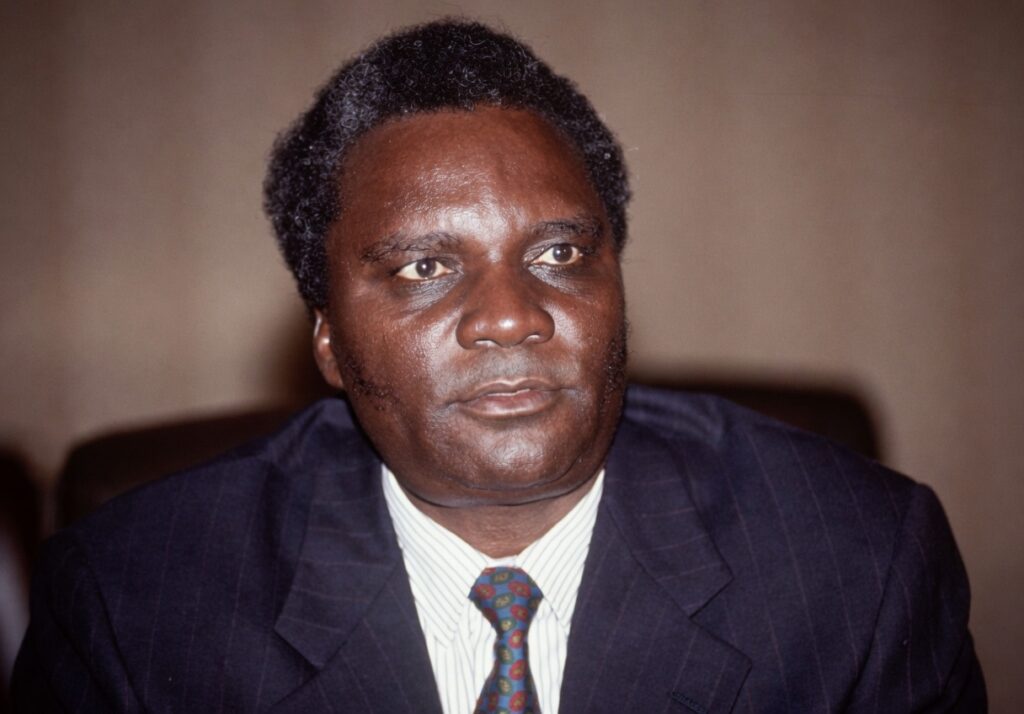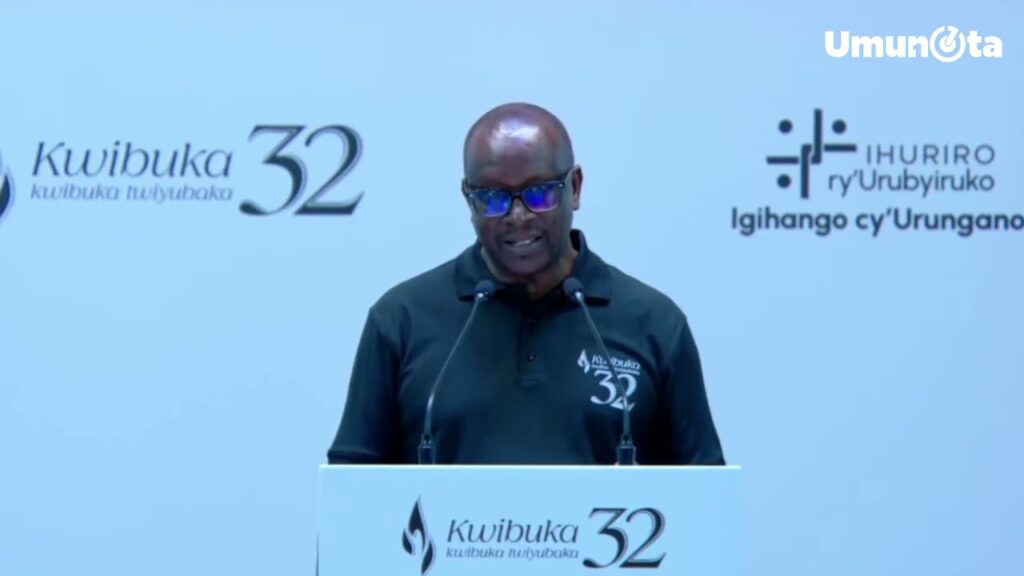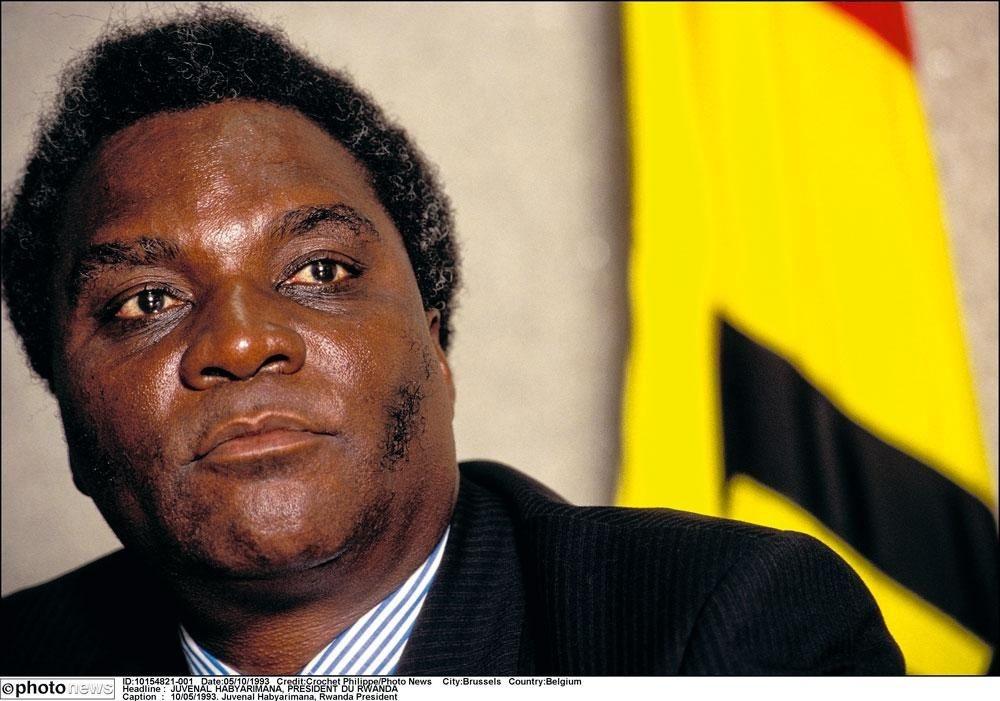
Minister of National Unity and Civic Engagement, Dr. Jean Damascène Bizimana, has said that Rwanda’s former President Juvénal Habyarimana played a direct and sustained role in the planning and execution of anti-Tutsi violence prior to the 1994 Genocide against the Tutsi.
He made the remarks during a lecture delivered at the youth forum “Igihango cy’Urungano,” held on May 30, 2026.
Bizimana stated that multiple historical records and investigative reports indicate that anti-Tutsi violence was not spontaneous, but organized and carried out over several years beginning in October 1990.
He cited attacks recorded between 1990 and 1993 in various parts of the country, including Ngororero, Murambi, Bugesera, Kibuye, Byumba, Ruhengeri, and Kibungo, where Tutsi communities were targeted in repeated waves of killings.
The minister referred to international and domestic investigations, including Belgian expert reports and a 1993 study by a panel of researchers, which documented widespread killings and identified patterns consistent with genocidal violence in several prefectures.
He also pointed to a United Nations Human Rights Commission mission led by Senegalese jurist Wali Ndiaye, which visited Rwanda in 1993 and later reported that Tutsi were being targeted in systematic attacks involving state forces, administrative authorities, and militia groups.
According to Bizimana, the findings concluded that the violence was ethnically targeted and amounted to acts of genocide in certain areas.
He further cited earlier events, including Habyarimana’s December 1990 visit to troops in Gabiro, where he reportedly vowed retaliation for battlefield losses and referred to Tutsi as “enemies,” a narrative he said contributed to escalating hostility.
Internal administrative reports from 1990 and 1991 were also referenced, documenting large-scale killings, injuries, displacement, and widespread targeting of civilians across multiple regions. One report from Ngororero indicated hundreds killed within days, most of them Tutsi, while another recorded thousands of victims across several prefectures.
Bizimana said these reports were routinely submitted to the presidency but did not result in preventive action.
He further alleged that Habyarimana oversaw military training sessions involving Interahamwe militia members in Gabiro and was linked to the distribution of weapons following their mobilisation.
He concluded that attempts to deny Habyarimana’s role in the preparation and escalation of the genocide are contradicted by documented evidence from multiple national and international sources, which he said consistently show leadership responsibility in the environment that enabled mass violence before 1994.