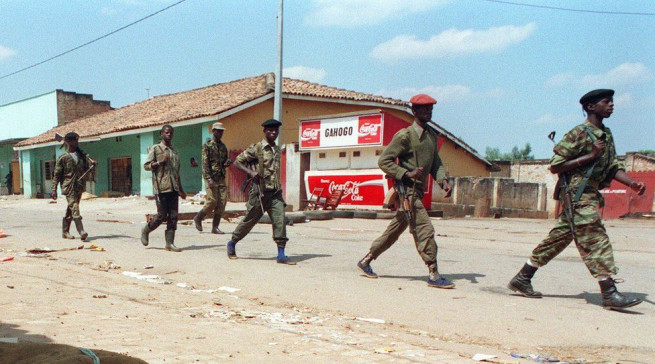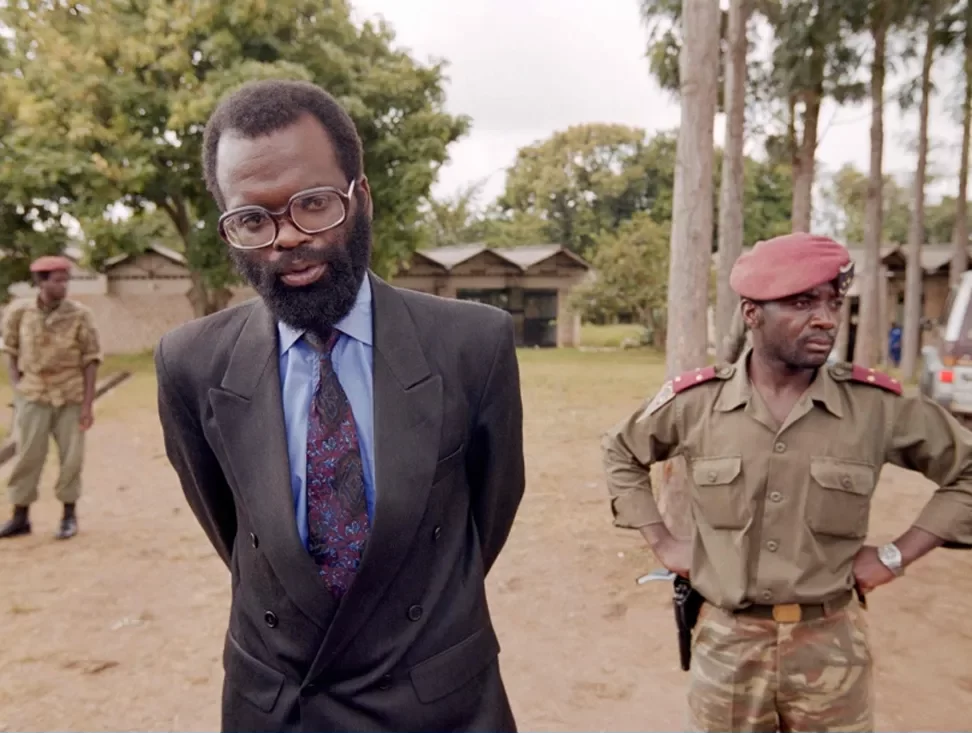
June 4, 1994 marked the 60th day of the 100-day Genocide against the Tutsi. As the killings continued across Rwanda, the interim government led by Jean Kambanda faced mounting military pressure following the capture of Kabgayi by the RPF-Inkotanyi.
Cabinet records from that day reveal growing concern within the government over the possibility of losing Gitarama, then the seat of the interim administration. The fall of nearby Kabgayi to the RPF-Inkotanyi signaled a significant shift on the battlefield and heightened fears among government officials.
In response, ministers approved a series of measures aimed at intensifying the genocide and strengthening the government’s war effort. These included increasing the distribution of weapons to the Interahamwe militia, tightening oversight of the so-called “civil self-defense” program, and expanding efforts to procure arms from foreign sources.
According to notes recorded in Kambanda’s personal agenda, the government also sought to recruit 4,350 young men to bolster its forces. Each commune was expected to provide 30 recruits, with the operation placed under the supervision of Minister Pauline Nyiramasuhuko.
The Cabinet further acknowledged that Gitarama was increasingly vulnerable to RPF advances. In an effort to strengthen control of the prefecture, the government appointed Major Jean-Damascène Ukurikiyeyezu as military prefect, replacing Fidèle Uwizeye.
By June 1994, the genocide had already devastated communities across the country, claiming the lives of hundreds of thousands of Tutsi. Yet government records show that senior officials continued to coordinate both military and civilian structures in support of the extermination campaign.
Documents recovered from Kambanda’s agenda and the records of several ministers were later introduced as evidence before the International Criminal Tribunal for Rwanda (ICTR). The records helped establish the role of the interim government in organizing and implementing the Genocide against the Tutsi, leading to the conviction of several senior officials.
The evidence presented before the ICTR further demonstrated that plans for the genocide predated the April 6, 1994 assassination of President Juvénal Habyarimana, contradicting claims that the mass killings were a spontaneous reaction to his death.