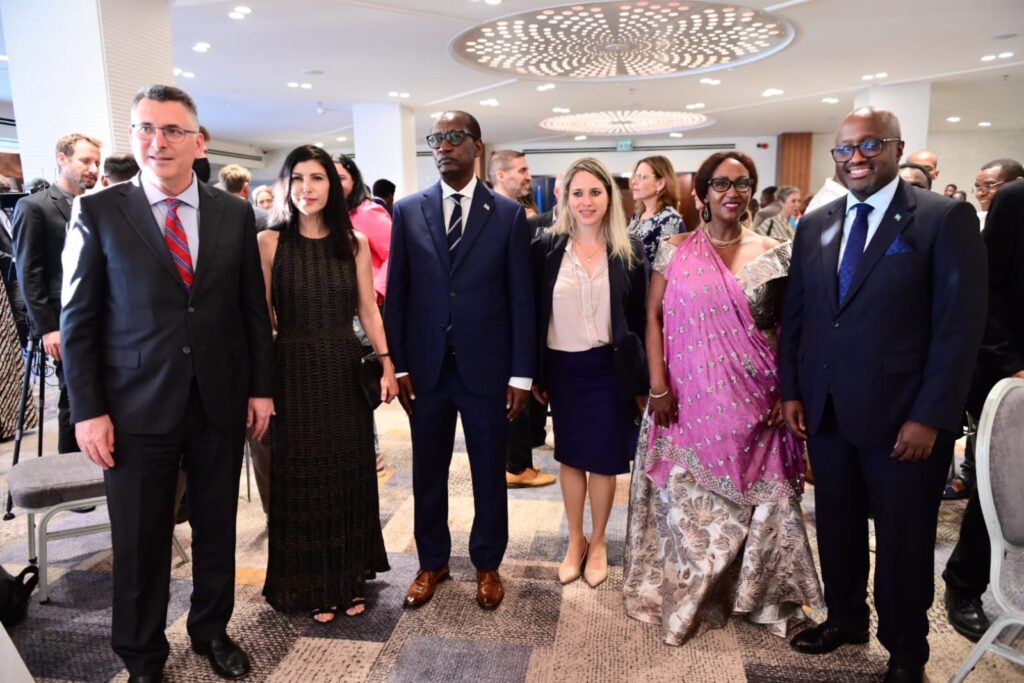
Rwanda’s Minister of Foreign Affairs and International Cooperation, Ambassador Olivier Nduhungirehe, joined his Israeli counterpart, Gideon Saar, Rwandans living in Israel, and friends of Rwanda in Jerusalem to commemorate the 32nd anniversary of Rwanda’s Liberation Day.
The event celebrated Rwanda’s liberation on July 4, 1994, while reflecting on the country’s remarkable journey of recovery, reconciliation, and socio-economic transformation over the past three decades.
Participants highlighted Rwanda’s achievements over the last 32 years, describing the country’s progress as a testament to resilience, unity, and sustained development across multiple sectors.
The commemoration also underscored the growing partnership between Rwanda and Israel, with both countries reaffirming their commitment to strengthening cooperation in areas of mutual interest.
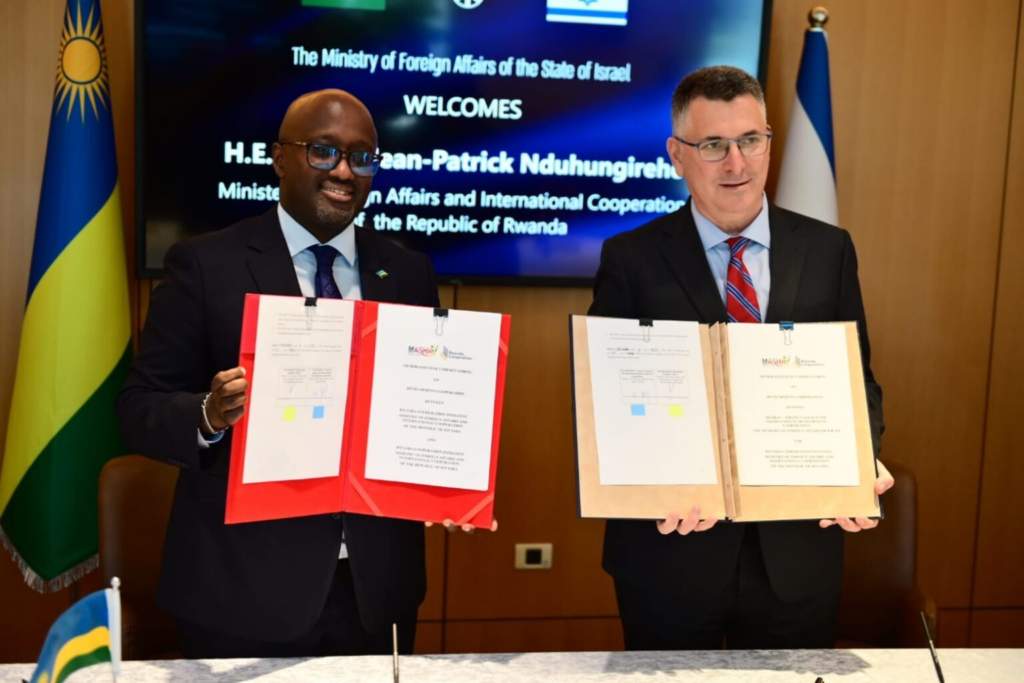
During his official visit to Jerusalem, Minister Nduhungirehe and Foreign Minister Saar witnessed the signing of bilateral agreements aimed at expanding cooperation in basic education, science and technology, higher education, and scientific research.
In addition, Rwanda’s Cooperation Initiative (RCI) and Israel’s Agency for International Development Cooperation (Mashav) signed a memorandum of understanding to enhance collaboration on international development.
Speaking after the signing ceremony, Saar welcomed Nduhungirehe’s visit, describing it as a reflection of the enduring friendship between Rwanda and Israel.
“Israel and Rwanda are two small nations with profound histories and great hope for the future. Our peoples have both endured immense tragedies. The Jewish people experienced the Holocaust, while Rwanda suffered the Genocide against the Tutsi,” Saar said.
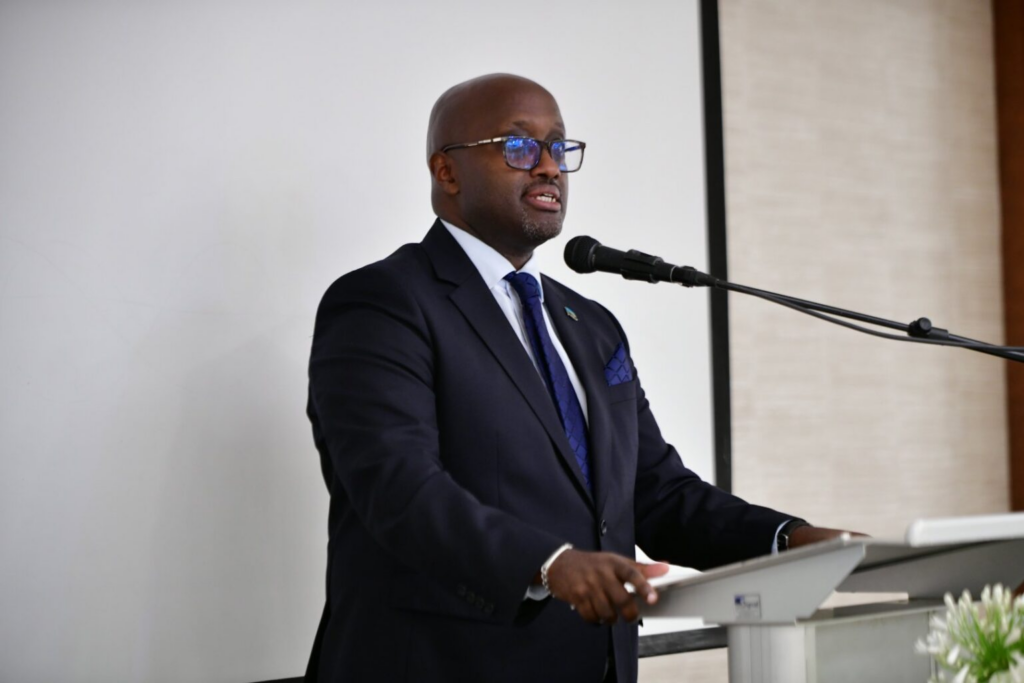
Nduhungirehe said the relationship between Rwanda and Israel extends beyond diplomatic ties, noting that both nations are united by a shared history of resilience and an unwavering commitment to national renewal.
“Rwanda and Israel share a partnership that goes beyond diplomacy. Both countries have endured painful chapters in their history, but what defines us today is the resilience of our people and our determination to transform tragedy into progress, innovation, and sustainable development,” he said.
He added that the agreements between the two countries’ international development agencies will facilitate the exchange of expertise in developing home-grown solutions, while the education partnership will promote knowledge sharing, research collaboration, training, and capacity building.