The Government of Rwanda has allocated Rwf2.7 billion in the 2026/2027 national budget to support more than 28,300 vulnerable persons with disabilities across all 30 districts, marking a significant expansion of a targeted social protection programme aimed at improving livelihoods and promoting inclusion.
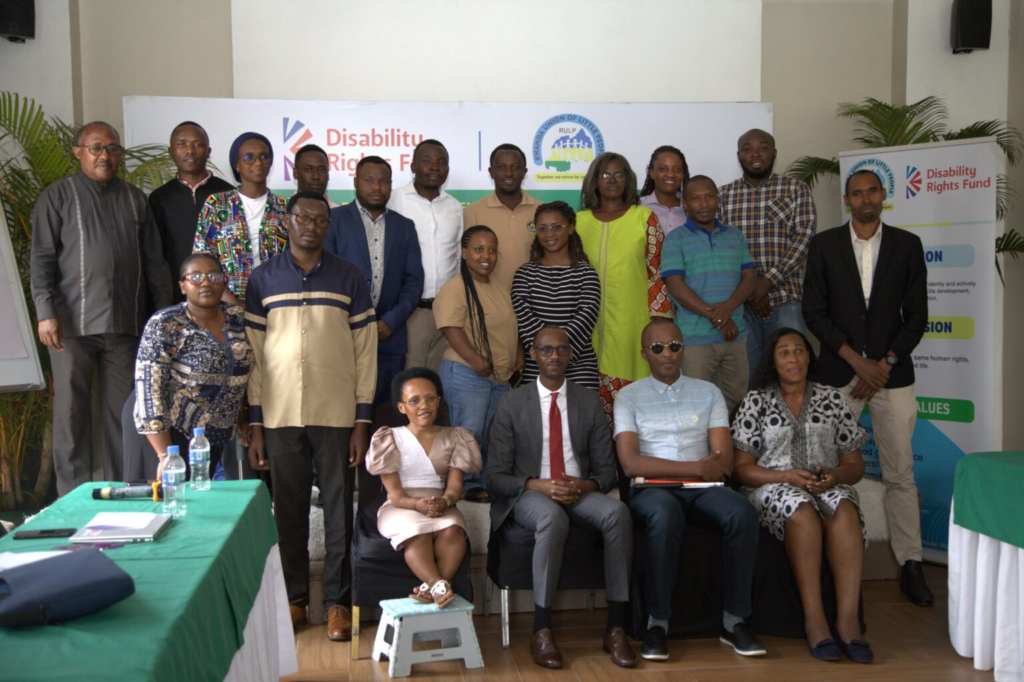
The funding was announced on August 6, 2026, during a national stakeholders’ dialogue convened by the Rwanda Union of Little People (RULP). The meeting brought together representatives of organisations of persons with disabilities, government institutions, the private sector and development partners to assess Rwanda’s progress in implementing disability rights under the International Covenant on Economic, Social and Cultural Rights (ICESCR).
The dialogue reviewed six priority areas identified by RULP from the UN treaty, including access to quality education, healthcare, employment, financial services, sports and recreation, as well as opportunities for persons with disabilities to showcase their talents and skills.
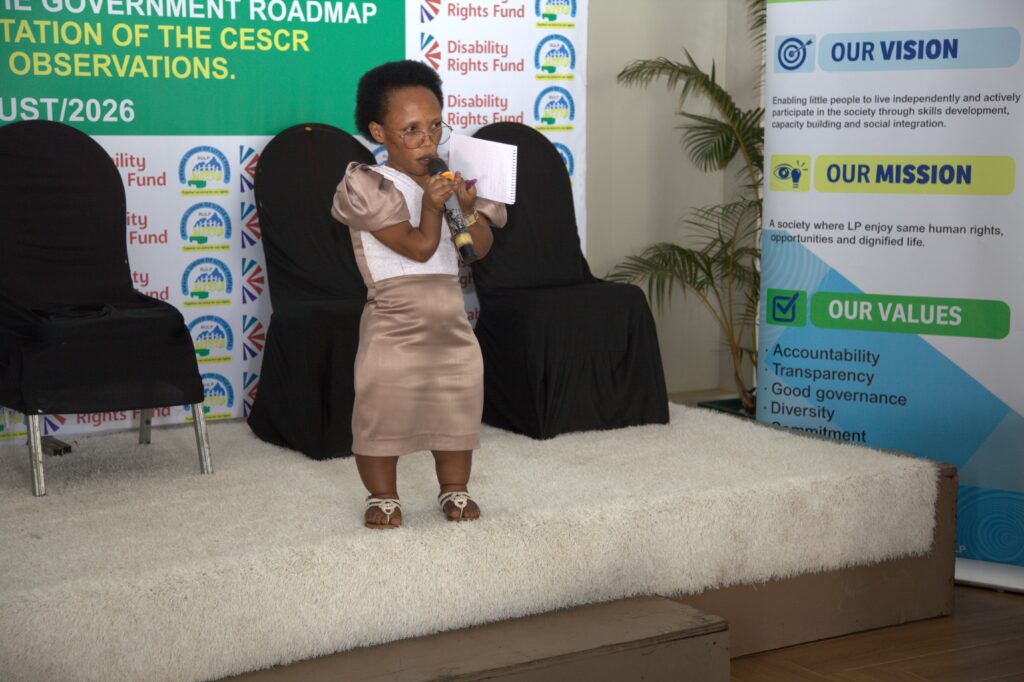
Speaking at the meeting, RULP Executive Secretary Honorine Tuyishimire welcomed the progress Rwanda has made in advancing the rights of persons with disabilities but said social attitudes remain one of the biggest barriers to full inclusion.
She noted that some members of the public still underestimate the abilities of persons with disabilities, while many are unaware of their legal rights. She also observed that some employees in both public and private institutions lack adequate knowledge on how to provide accessible and inclusive services.
“We need communication systems that enable people with visual, hearing and other forms of disabilities to access information easily through appropriate formats,” Tuyishimire said, calling for stronger collaboration between government institutions, civil society and the private sector to improve awareness.
Participants also highlighted persistent challenges in inclusive education, noting that some children with disabilities continue to drop out of school because of inadequate support and inaccessible learning environments. They further expressed concern over cases of teenage pregnancy among girls with disabilities, which also contributes to school dropout.
According to the National Council of Persons with Disabilities (NCPD), Rwanda is home to 544,100 persons with disabilities. The council also reports that 34,800 adults with disabilities lack national identity cards and are not registered in the country’s civil registration system, limiting their access to public services and social protection programmes.
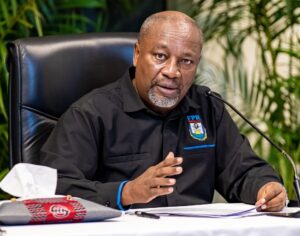
Jean Bosco Hakizimana, an official responsible for social protection for vulnerable groups at the Local Administrative Entities Development Agency (LODA), said the new allocation is designed to improve the welfare of persons with disabilities living in poverty.
He explained that while Rwanda has provided financial assistance to persons with disabilities through the Vision 2020 Umurenge Programme (VUP) since 2008, a dedicated disability support programme was introduced only in the 2025/2026 fiscal year, initially covering five pilot districts.
“The government has now allocated a dedicated budget of about Rwf2.7 billion that will reach 28,300 beneficiaries across all 30 districts,” Hakizimana said.
He clarified that the assistance will not be universal but will target those identified through the national Imibereho social registry as economically vulnerable and classified under the first and second categories of disability.
Stakeholders concluded the meeting by calling for stronger implementation of disability-inclusive policies, including greater access to financial services, employment opportunities, participation in planning and budgeting processes, and the provision of information in accessible formats to ensure that no person with a disability is left behind.