Rwanda’s Minister of National Unity and Civic Engagement, Dr Jean Damascène Bizimana, has warned people suspected of involvement in the 1994 Genocide against the Tutsi who fled abroad that they cannot escape justice by seeking refuge in other countries.
He said those who believe that living far from Rwanda will protect them from prosecution are mistaken, stressing that genocide is a crime that knows no borders. He cited cases of suspects who have been extradited to Rwanda or convicted by foreign courts.
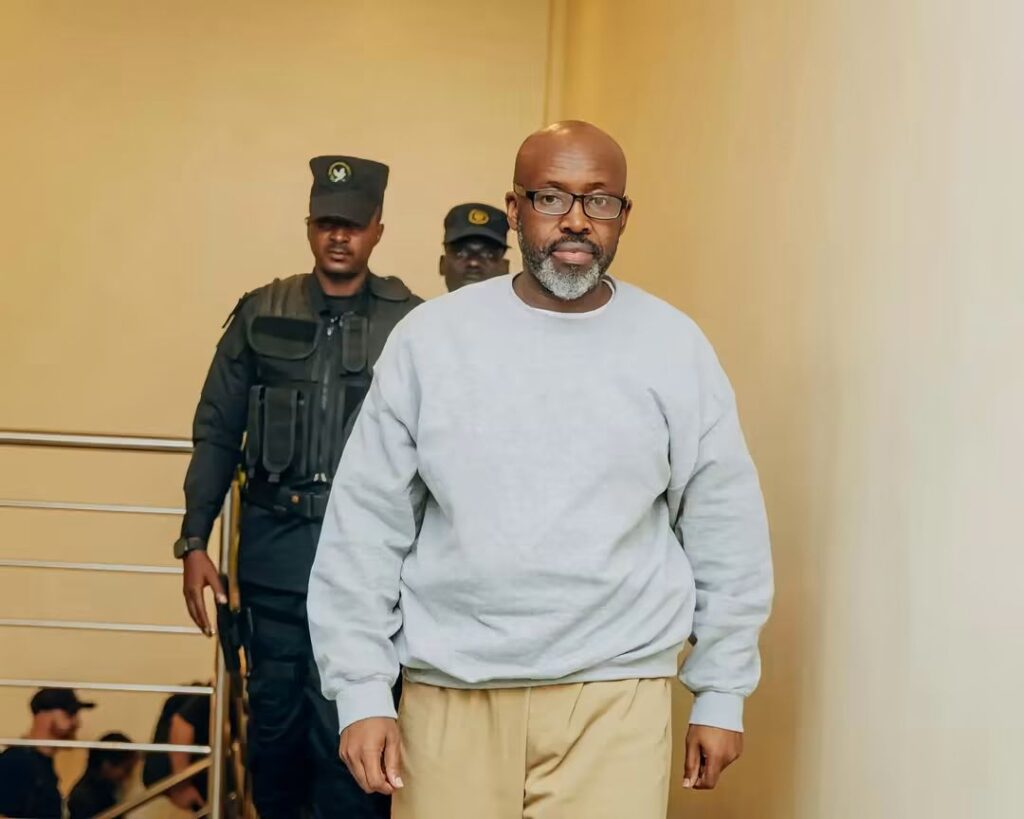
Dr Bizimana made the remarks following the extradition of Jean Léonard Teganya from the United States to Rwanda on November 9, 2026, over his alleged involvement in the Genocide against the Tutsi.
In a statement posted on X, Bizimana said Teganya was a final-year medical student in Butare in 1994 but allegedly participated in the killing and rape of Tutsi women and girls during the Genocide, committing acts marked by extreme cruelty and hatred.
He noted that testimonies from survivors of Teganya’s alleged crimes accuse him of serious and horrific offences.
The minister also reflected on the meaning of Teganya’s name, which relates to saving, planning and exercising prudence, saying his alleged actions during the Genocide were contrary to the values associated with the name.
Bizimana said Teganya may have believed that fleeing to the United States would help him escape justice, but he was mistaken and will now face accountability for the crimes he is accused of committing.
He added that Teganya is not the first person to be extradited from the United States to Rwanda, noting that seven others have previously been transferred to face justice.
They include Enos Kagaba, extradited on April 26, 2005; Jean Marie Vianney Mudahinyuka, on January 28, 2011; Marie Claire Mukeshimana, on December 21, 2011; Léopold Munyakazi, in September 2016; Béatrice Munyenyezi, on April 18, 2021; Oswald Rurangwa, also known as Oswald Rukemuye, on October 7, 2021; and Ahmed Napoléon Mbonyunkiza, on March 10, 2025.
Other genocide suspects extradited or prosecuted abroad
Dr Bizimana also highlighted the role of other countries in helping Rwanda pursue people suspected of involvement in the Genocide against the Tutsi, with several suspects extradited to Rwanda to face prosecution.
Among them are Léon Mugesera, extradited from Canada on January 24, 2012; Jean de Dieu Munyaneza, also known as Mutzig, from the Netherlands on March 21, 2015; Jean-Claude Seyoboka from Canada on November 18, 2016; and Charles Bandora from Norway on March 10, 2013.
Others include Emmanuel Mbarushimana and Wenceslas Twagirayezu, extradited from Denmark; Jean Baptiste Mugimba and Jean-Claude Iyamuremye, from the Netherlands; and Venant Rutunga, who was extradited from the Netherlands on July 26, 2021.
The list also includes Jean Twagiramungu, extradited from Germany in 2017, as well as Augustin Nkundabazungu, Jean Pierre Kwitonda, also known as Kapalata, and Jean-Paul Birindabagabo, also known as Daniel Bagabo, who were extradited from Uganda at different times.
Beyond extraditions to Rwanda, several other genocide suspects have been tried and convicted by foreign courts, with some receiving life sentences.
Bizimana cited Fulgence Niyonteze, former mayor of Mushubati, who was sentenced to 14 years in prison in Switzerland in 2000; Alphonse Higaniro, former head of the SORWAL factory in Butare, who received a 20-year sentence in Belgium in 2001; and Fabien Neretse, former head of the National Coffee Office, who was sentenced to 25 years in Belgium in 2019.
He also mentioned Séraphin Twahirwa, a former Interahamwe leader in Kigali, and Pierre Basabose, who were both convicted in Belgium on December 21, 2023.
Other cases include François Bazaramba, sentenced to life imprisonment in Finland in 2012; Pascal Simbikangwa, sentenced to 24 years in France in 2014; Onesphore Rwabukombe, sentenced to life imprisonment in Germany in 2015; and Claver Berinkindi, sentenced to life imprisonment in Sweden in 2017.
In France, former Kabarondo mayors Octavien Ngenzi and Tito Barahira were both sentenced to life imprisonment in 2018. Laurent Bucyibaruta, former prefect of Gikongoro, received a 20-year sentence in 2022, while Philippe Hategekimana, also known as Philippe Manier, was sentenced to life imprisonment in 2024.
Bizimana further cited Dr Sosthène Munyemana, who was sentenced to 24 years in France in 2023, and Dr Eugène Rwamucyo, who received a 27-year sentence on June 9, 2026.
He also mentioned Eugène Ntambara, a former Interahamwe leader in Mbazi, Butare, who was sentenced to life imprisonment in the Netherlands on August 28, 2026.
According to the minister, Jacques Mungwarere is the only person acquitted in genocide-related trials involving suspects prosecuted in Western countries.
Bizimana said the extraditions and convictions demonstrate that no one should assume they can evade justice by fleeing to another country.
He added that these judicial achievements carry significant meaning for honouring the memory of victims of the Genocide against the Tutsi, comforting survivors and advancing Rwanda’s continued journey of rebuilding.
He urged those suspected of involvement in the Genocide who remain abroad not to assume they can hide indefinitely, warning that they could eventually be brought to justice.
He concluded by emphasising that justice must reach everyone, everywhere and at all times.