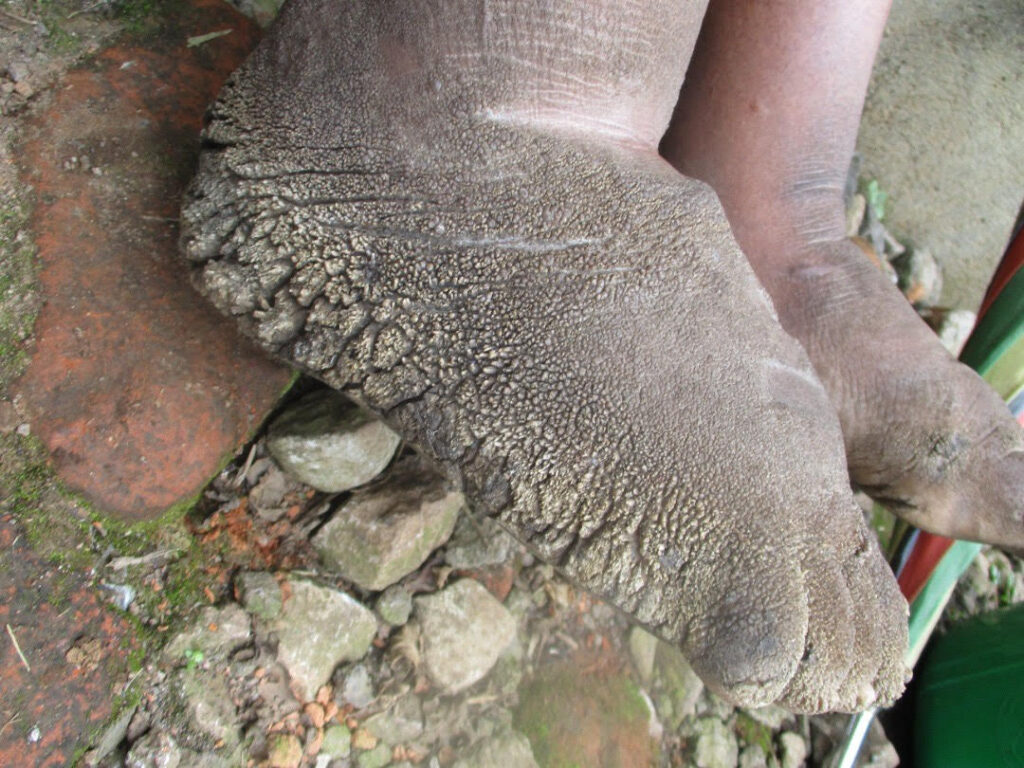
Rwanda has launched a five-year national strategy to eliminate, prevent and control neglected tropical diseases (NTDs), targeting more than 13 million people at risk of infection.
The strategy, developed by the Ministry of Health in partnership with the Rwanda Biomedical Centre (RBC), aims to ensure that NTDs no longer pose a major public health threat in Rwanda by 2030.
People living in rural and underserved communities are considered particularly vulnerable to the diseases, which include intestinal worms, leprosy, scabies, rabies, snakebite-related illnesses, parasitic skin diseases and eye infections that can cause blindness.
NTDs can cause long-term disability, limit people’s ability to work and attend school, and place a significant burden on households. Their spread is often linked to poverty, poor sanitation, unsafe water and limited access to healthcare.
Rwanda shifts focus beyond treatment
RBC says the new strategy will take a broader approach than simply distributing medicines.
The plan will integrate NTD prevention, diagnosis and treatment into routine health services, expand community-based medicine distribution, strengthen disease surveillance and increase public awareness of hygiene, sanitation and safe water practices.
Under the strategy, 90% of schools will be covered by programmes providing treatment for intestinal worms and educating learners about diseases associated with poor sanitation and unsafe water.
Rwanda aims to have all primary healthcare facilities providing integrated NTD services by 2030.
The country has also adopted disease-specific targets depending on the nature of each condition.
For blinding eye diseases and leprosy, the focus will be on interrupting transmission, while diseases that cause severe swelling of limbs and other body parts will be reduced to levels at which they are no longer considered major public health problems.
For rabies, Rwanda is targeting zero human deaths, while programmes against intestinal worms and diseases associated with contaminated water will seek to drive infection rates down further.
Snakebite-related illnesses, skin diseases and other NTDs will be addressed through improved case detection, treatment and monitoring within the existing health system.
Rwanda builds on progress
The new strategy builds on progress Rwanda has already made against several NTDs.
In 2022, the World Health Organization validated Rwanda’s achievement in eliminating human African trypanosomiasis, commonly known as sleeping sickness, as a public health problem.
Mass drug administration campaigns targeting intestinal worms have also helped reduce infection rates, with prevalence falling from 45% in 2014 to below 20%.
Implementing the five-year strategy is expected to cost about RWF 13.79 billion.
Rwanda has set a target of financing at least 70% of the resources required for NTD programmes domestically by 2030, a move aimed at reducing reliance on external funding and strengthening the sustainability of disease-control efforts.