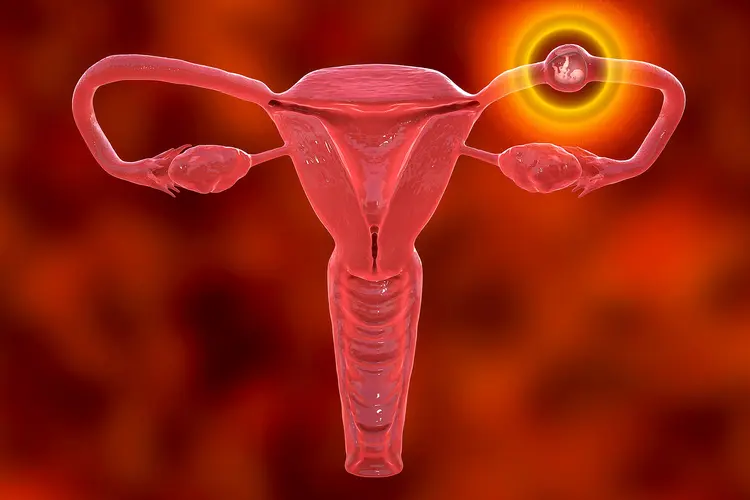
Ectopic pregnancy occurs when a fertilised egg implants outside the uterus, most commonly in a fallopian tube. The condition can become life-threatening if the pregnancy continues to grow and causes the tube to rupture, resulting in internal bleeding. Early diagnosis and treatment are therefore critical.
In its early stages, an ectopic pregnancy may have few or no noticeable symptoms and can sometimes resemble a normal pregnancy. When symptoms occur, they may include a missed period, pain in the lower abdomen—often on one side—and abnormal vaginal bleeding. Dizziness or fainting, particularly when accompanied by severe abdominal pain, can indicate a medical emergency.
Several factors are associated with a higher risk of ectopic pregnancy. They include a previous ectopic pregnancy, pelvic inflammatory disease, previous surgery involving the fallopian tubes, endometriosis, fertility treatment such as IVF, smoking and increasing age, with the risk highest among pregnant women over 35.
The exact cause is not always known. However, damage or abnormalities affecting the fallopian tubes can prevent a fertilised egg from reaching the uterus normally, increasing the likelihood of implantation outside the womb.
A global study by researchers Huiqin Qian, Wei Qian, Huan Huang, Yixiao Wang and Ruizhe Jia, based on data from 204 countries and territories between 1990 and 2021, estimated that 8.38 million women experienced ectopic pregnancy in 2021, with 6,442 deaths attributed to the condition.
The researchers also reported a particularly high burden in Sub-Saharan Africa, highlighting the importance of timely diagnosis and access to appropriate treatment.
Ectopic pregnancy cannot always be prevented because it can occur without identifiable risk factors. However, preventing and treating sexually transmitted infections, avoiding smoking and seeking medical attention early when pregnancy-related symptoms occur can help reduce some risks and support earlier detection.
Diagnosis generally involves pregnancy testing, blood tests to measure pregnancy hormone levels and ultrasound examinations. A transvaginal ultrasound is commonly used to determine where the pregnancy has implanted.
Treatment depends on the woman’s condition, the location and size of the pregnancy and whether there are signs of rupture. Options may include careful monitoring in selected cases, medication such as methotrexate or surgery.
Women who have previously experienced an ectopic pregnancy have a higher risk of experiencing another one. Those who become pregnant again are therefore encouraged to seek medical care early so that the pregnancy can be assessed.
Because a ruptured ectopic pregnancy can cause severe internal bleeding, sudden intense abdominal pain, dizziness or fainting during early pregnancy requires urgent medical assessment.