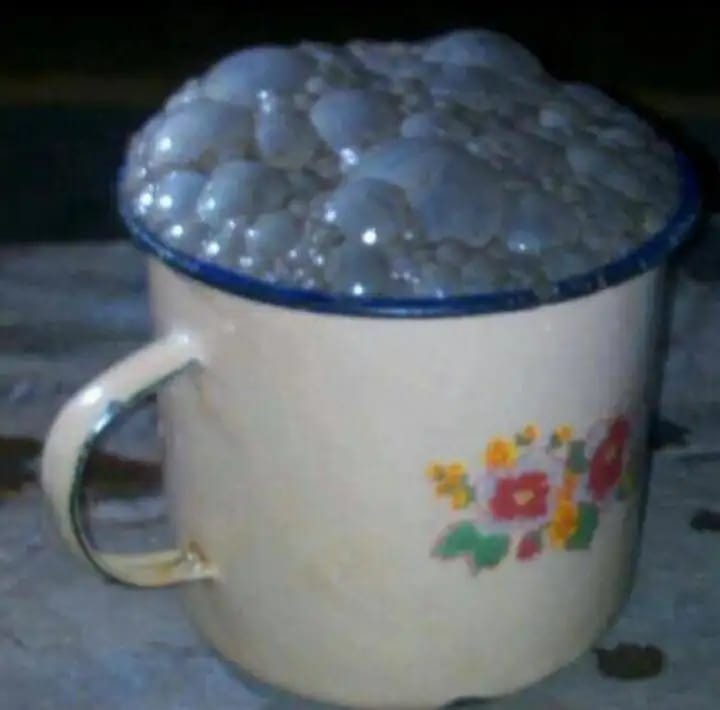
Residents of Gicumbi District are calling for the introduction of quality testing for traditional alcoholic beverages, arguing that authorities should identify unsafe products rather than impose broad restrictions on locally produced drinks.
The residents are particularly concerned about ikigage, ubushera and urwagwa, which they say are part of the area’s traditional culture and provide a market for sorghum farmers.
They want authorities to establish a testing system that can determine whether the beverages meet hygiene and safety standards, similar to quality checks conducted on milk at collection centres.
“Let them introduce testing equipment for ikigage, ubushera and pure urwagwa so that those mixed with other substances can be distinguished,” one resident said.
Another questioned why traditional beverages cannot undergo quality checks in the same way as milk.
“We deliver milk and it is tested to see whether it contains water. Why can’t ikigage also be tested to establish whether it contains contaminants?” the resident asked.
Residents also claim that restrictions on traditional beverages are having unintended consequences, with some people turning to illicitly traded alcoholic drinks.
They say the shift has raised concerns in communities where traditional brews have long been consumed, while sorghum farmers are also feeling the impact of reduced demand for their produce.
One resident warned that continued restrictions could push more people towards unregulated alcohol.
“If they continue restricting ikigage, Waragi will kill us. We are drinking it,” the resident said.
Another claimed that illicit alcohol sellers operate mainly at night, with some consumers resorting to secluded areas to drink.
The residents argue that enforcing quality standards would allow authorities to distinguish between traditionally produced beverages that meet hygiene requirements and those that pose health risks.
However, Gicumbi District Mayor Emmanuel Nzabonimpa said traditional alcoholic beverages have not been banned.
Speaking to TV1, Nzabonimpa said ikigage, urwagwa, ubushera and umusururu remain permitted, but commercial producers must comply with legal and hygiene requirements.
“Ikigage, urwagwa, ubushera and umusururu have not been banned,” he said, adding that people who produce them commercially are required to meet the relevant legal conditions.
He further explained that residents preparing traditional beverages for private events can seek permission from local authorities and must demonstrate that they will be prepared hygienically.
The debate comes amid complaints from residents in different parts of Rwanda over measures affecting the preparation and sale of traditional beverages.
For Gicumbi residents, the preferred solution is stronger quality control rather than blanket restrictions. They believe testing would protect consumers, preserve a traditional practice and help sustain demand for sorghum grown by local farmers.