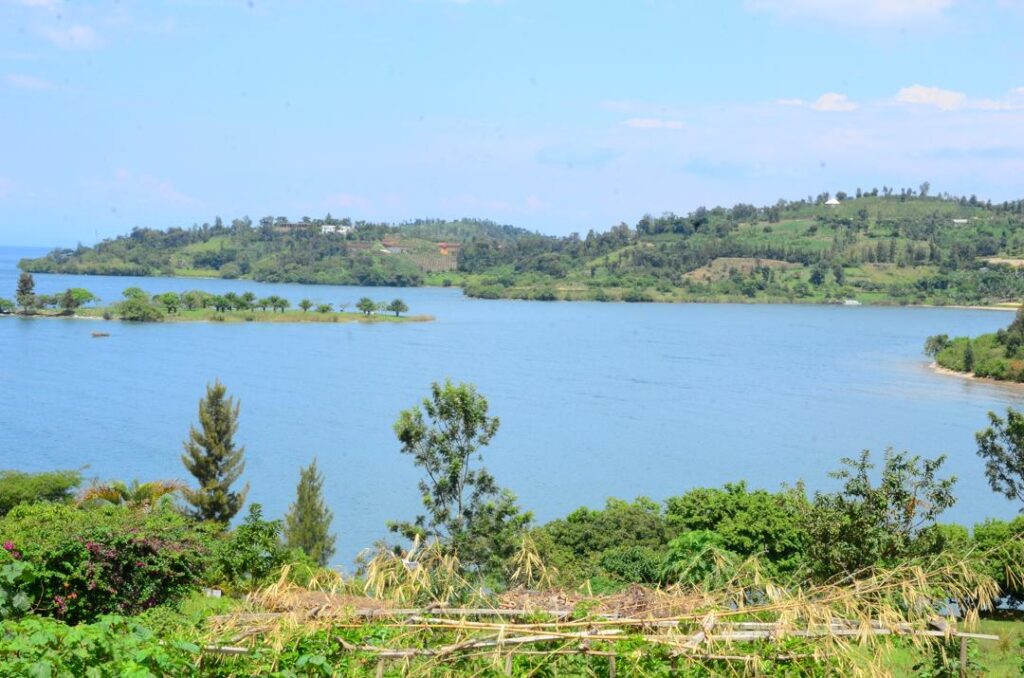
Rwanda is studying the possibility of turning some of the islands on Lake Kivu into a national park as the country seeks to expand its tourism offering, protect biodiversity and increase tourism earnings.
The Rwanda Development Board (RDB) said a feasibility study is underway to determine which islands have the ecological and tourism potential to qualify for protected-area status.
The study comes as Rwanda seeks to diversify tourism beyond its established attractions, particularly mountain gorilla trekking, and develop new experiences around Lake Kivu. RDB already identifies the lake as a priority area for tourism development, with activities including water sports, hiking, cycling, community-based tourism and the Congo Nile Trail.
More than 30 experts from Rwanda and other countries are taking part in the assessment, according to officials involved in the study.
Dr. Deo Ruhagaze, Deputy Director of a Rwandan biodiversity conservation organisation, said the experts are assessing which islands should be considered and the criteria that should guide the process.
“We are gathering information to determine which islands should be studied and the criteria that should guide the assessment. More than 30 experts, including specialists familiar with Lake Kivu, are currently working together on the study,” he said.
Frank Dushimimana, an RDB official responsible for wildlife conservation, protected areas and national parks, said the findings will guide decisions on whether some of the islands should become protected areas or national parks.
He said the study has been underway for about four months and will take into account the interests of communities living around Lake Kivu as well as Rwanda’s broader national interests.
“The study will be guided by what benefits communities living around Lake Kivu, but above all, what is in the best interest of the country as a whole,” Dushimimana said.
Tourism opportunity
The proposed protected area could give Rwanda a new tourism attraction while creating opportunities for eco-tourism and community-based tourism.
Niyomugabo Maurice, a tour guide operating on Lake Kivu, welcomed the initiative, saying the lake already attracts a growing number of visitors because of its natural scenery.
He estimated that around 1,000 tourists visit the area each month, including international visitors.
RDB has previously highlighted Lake Kivu’s tourism potential, including its islands, water-based activities and scenic landscapes. The board says the lake has been designated a priority area for tourism development.
Strong biodiversity potential
Environmental experts say formal protection could also help address human activities that have contributed to the degradation of some of the islands.
Dr. Ange Imanishimwe, an environmental expert, said creating a protected area would establish clearer conservation rules while giving communities guidance on how to benefit from the islands sustainably.
“Lake Kivu’s islands are numerous and important, but some have been degraded because there has not been a strong management system to ensure their conservation. A park covering some of the islands could establish clear rules while also giving communities guidance on how to use them sustainably,” he said.
The islands have significant biodiversity value. Rwanda’s biodiversity strategy records 142 plant species, 80 bird species, 52 invertebrate species, six mammal species, six reptile species, five amphibian species and 26 fish species associated with the Lake Kivu islands. It also identifies the islands as having high eco-tourism potential and potential to generate income for local communities.
A previous conservation plan recommended establishing a protected area covering selected Lake Kivu islands as a national park, with tourism development integrated into a community-based conservation approach.
Not all islands expected to be included
Lake Kivu has islands spread across Rwanda’s five districts bordering the lake: Rutsiro, Karongi, Rubavu, Rusizi and Nyamasheke.
However, officials stress that the current study is not proposing that all the islands become part of a national park.
Some islands are inhabited, while others have been vacated, and communities continue to use some of them for different activities. The assessment will therefore consider ecological value, tourism potential, conservation needs and the interests of surrounding communities before any final decision is made.
The proposal is not entirely new. In 2025, RDB said Rwanda was laying the groundwork to transform ecologically rich Lake Kivu islands into a national biodiversity park, potentially becoming the country’s fifth national park.
The latest study is expected to provide a clearer basis for deciding which islands could receive protected status and how they could be managed.
Part of Rwanda’s tourism expansion strategy
The initiative comes as Rwanda seeks to increase tourism revenues by developing more attractions and experiences across the country.
Lake Kivu already forms an important part of Rwanda’s tourism strategy, with the government promoting activities ranging from water sports and hiking to community tourism.
If the study supports the creation of a national park, the new protected area could become an additional source of tourism revenue while supporting biodiversity conservation and creating economic opportunities for communities around the lake.
The feasibility study is expected to be completed in 2027, after which authorities will have a clearer basis for deciding whether and how the proposed Lake Kivu islands national park should be established.