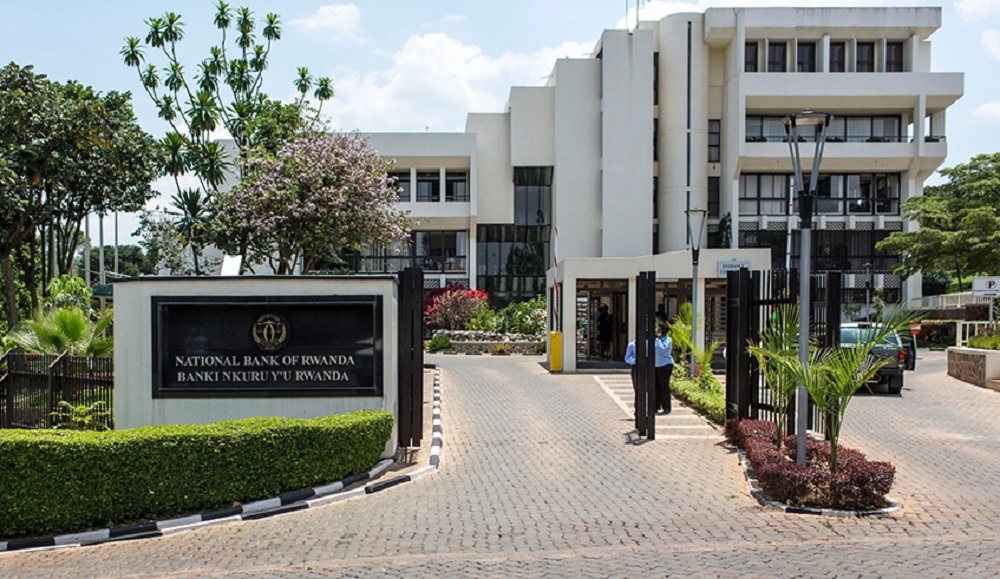
The National Bank of Rwanda (BNR) has raised its Central Bank Rate by 50 basis points to 8.75%, from 8.25%, as inflation continues to run well above the bank’s target range.
The decision was announced on Thursday, August 27, 2026, following a meeting of BNR’s Monetary Policy Committee (MPC). The rate increase is intended to contain inflationary pressures, anchor inflation expectations and support a return to the bank’s target range of 2% to 8%.
Inflation accelerated from 9.1% in the first quarter of 2026 to 13.2% in the second quarter, reaching 14.5% in July, according to BNR. The central bank now expects inflation to average 13.1% this year, slightly below its previous forecast of 13.9%.
The latest increase marks another tightening of monetary policy after BNR raised the Central Bank Rate to 7.25% in February and then to 8.25% in May.
BNR said the latest decision is aimed at limiting second-round effects of recent price increases and preventing temporary inflationary pressures from becoming entrenched. The bank expects inflation to gradually return towards its 2–8% target range in the second half of 2027.
Despite tighter monetary policy, credit to the private sector has continued to expand. According to Governor Soraya Hakuziyaremye, lending by financial institutions increased by more than 22% during the first six months of 2026.
The increase in the policy rate comes amid strong economic activity, but rising prices remain a major concern for households and businesses.
BNR’s monetary policy framework identifies price stability as its primary objective, with headline inflation targeted within a 2% to 8% band and a medium-term aim of keeping inflation closer to 5%.
The 8.75% rate is now the benchmark guiding monetary conditions as the central bank seeks to bring inflation under control without undermining Rwanda’s broader economic growth.