President Paul Kagame has thanked communities living around Volcanoes National Park for their contribution to Rwanda’s mountain gorilla conservation success, pledging continued support as the country expands the park and invests in the livelihoods of surrounding communities.
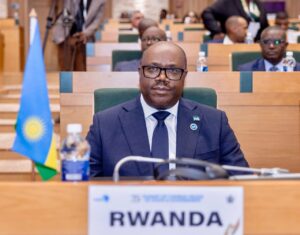
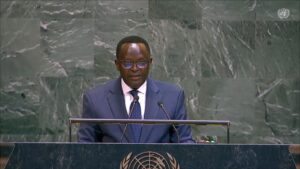
The message was delivered on Friday by Prime Minister Dr Justin Nsengiyumva, who represented President Kagame at the 21st Kwita Izina gorilla naming ceremony in Kinigi, Musanze District, where 22 baby mountain gorillas were given names.
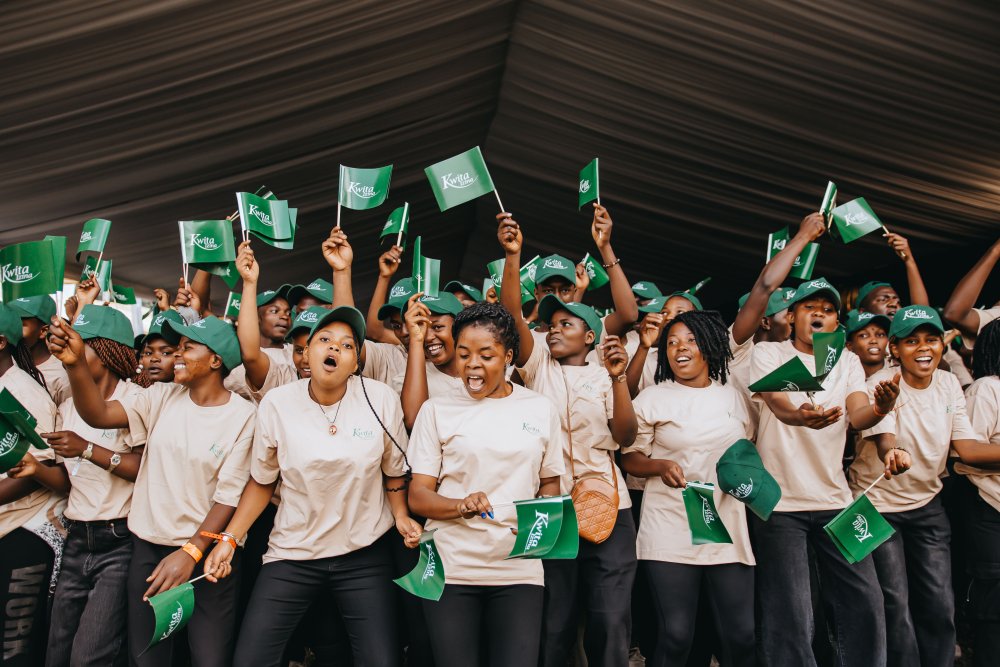
The ceremony, held under the theme “Conservation is Life: Sustaining the Future,” brought together government officials, conservationists, researchers, tourism and business leaders, international guests and local communities to celebrate Rwanda’s conservation achievements.
Nsengiyumva said the growth of the mountain gorilla population was the result of years of collaboration between communities, park rangers, veterinarians, researchers, government institutions, the private sector and international conservation partners.
He recalled that in the early 1980s, only about 250 mountain gorillas remained in the Virunga Massif, following years of poaching, habitat loss and conflict.
Today, more than 1,060 mountain gorillas are estimated to live in the wild across the Virunga Massif and Bwindi ecosystem, with more than 600 in the Virunga Massif.
“This remarkable recovery did not happen by chance,” Nsengiyumva said, attributing the progress to sustained conservation efforts, responsible tourism and strong cooperation among different stakeholders.
He said Rwanda’s conservation strategy increasingly recognises that protecting wildlife must go hand in hand with improving the welfare of people living alongside protected areas.
“The mountain gorillas and the tourism they have attracted have helped strengthen the socioeconomic fabric of surrounding communities, creating jobs, supporting local businesses, attracting investments, and opening new pathways for families and young people to improve their livelihoods,” he said.
Rwanda’s Tourism Revenue Sharing Programme has channelled 10 per cent of national park tourism revenues into communities surrounding protected areas. More than Rwf23 billion has so far supported nearly 1,300 community projects, including schools, health facilities, water infrastructure and livelihood initiatives.
The government is now seeking to build on those gains as it prepares to expand Volcanoes National Park by approximately 3,740 hectares and establish about 6,620 hectares of buffer zones.
The expansion is intended to provide additional habitat for the growing gorilla population while creating opportunities for communities affected by the process.
One of the major initiatives is the Smart Green Village in Kinigi, whose construction was launched last week as part of the wider Volcanoes Community Resilience Project.
The project represents an investment of more than $49 million and is expected to support 547 households affected by the park expansion through modern housing, essential services and sustainable livelihood opportunities.
Jean Guy Africa, Chief Executive Officer of the Rwanda Development Board, said the expansion would address the increasing need for habitat as gorilla numbers continue to rise.
“The expansion will provide more habitats for growing mountain gorilla families,” Africa said, adding that it would also support neighbouring communities through improved housing, infrastructure, services and new economic opportunities.
Northern Province Governor Maurice Mugabowagahunde said hosting Kwita Izina in the province was a source of pride, but stressed that conservation must continue to generate tangible benefits for local residents.
He said communities around Volcanoes National Park had increasingly recognised the value of protecting the park’s biodiversity while benefiting from conservation-related initiatives.
According to the governor, communities around the park have received about Rwf8 billion since Kwita Izina began in 2005, supporting various development projects.
Since the first official Kwita Izina ceremony in 2005, 438 gorillas had been named before this year’s event, bringing the total to 460 following the naming of the 22 infants this year.
For Rwanda, the growing gorilla population represents not only a major conservation achievement but also an economic opportunity through tourism.
The government’s challenge now is to ensure that expanding protection for the species and its habitat continues to improve the lives of the people who share the landscape with the gorillas.
Kwita Izina, therefore, has evolved beyond the symbolic naming of newborn gorillas into a platform for renewing Rwanda’s commitment to conservation, tourism and community development.