Rwanda’s entertainment scene has been abuzz with debate following the removal of “Reka Mbeho”, a collaboration featuring some of the country’s prominent hip-hop artists, from major music platforms just days after its release.
The song brought together Riderman, Bull Dogg, Juno Kizigenza, Ish Kevin, Papa Cyangwe and members of The Unity.
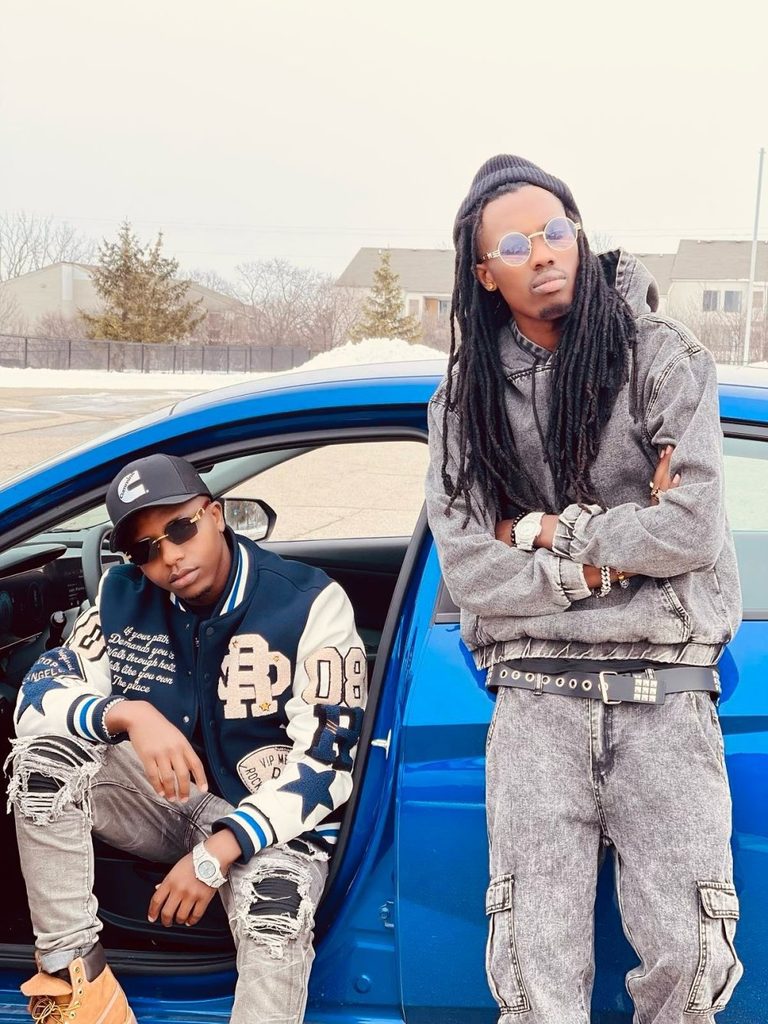
Speaking to journalist Yago Pon Dat, B Drew, a member of The Unity and one of the people behind the song’s concept, explained the project’s origins and the controversy that followed its release.
B Drew said the idea for “Reka Mbeho” was conceived towards the end of 2025, while recording was completed in March 2026.
He also addressed sections of the song’s music video that featured alcohol. According to B Drew, those scenes were removed to comply with government efforts to combat substance abuse.
The artist said he and his colleagues had no intention of creating a project that could contribute to tension or unrest in Rwanda.
“I love Rwanda. I would not do anything that could create tension,” B Drew said.
He added that living in the United States or elsewhere does not change his attachment to Rwanda or his respect for the country.
“Even though I live in America, there is no other place I know as home except Rwanda. We would not make a project intended to encourage people to rebel or cause unrest against the government,” he said.
B Drew said that after the controversy surrounding the song intensified, the artists concluded that removing it was the only option available to them.
“There was nothing else to do but delete the song. We promised Rwandans that we would respect them and give them good things,” he said.
The controversy began after some listeners interpreted lyrics in the song as potentially carrying a message critical of government policies. The debate intensified as some people began using the song in ways that the artists said did not reflect the message they intended to convey.
Following the controversy, the song, which had been uploaded to Riderman’s YouTube channel, was eventually set to private, making it unavailable for public viewing.
At the time, the video had surpassed 300,000 views within three days of its release.
However, the song had already spread widely online, with some listeners having downloaded or saved copies. Some subsequently re-uploaded the track to their own YouTube channels, allowing versions of it to continue circulating despite its removal from the original channel and music platforms.