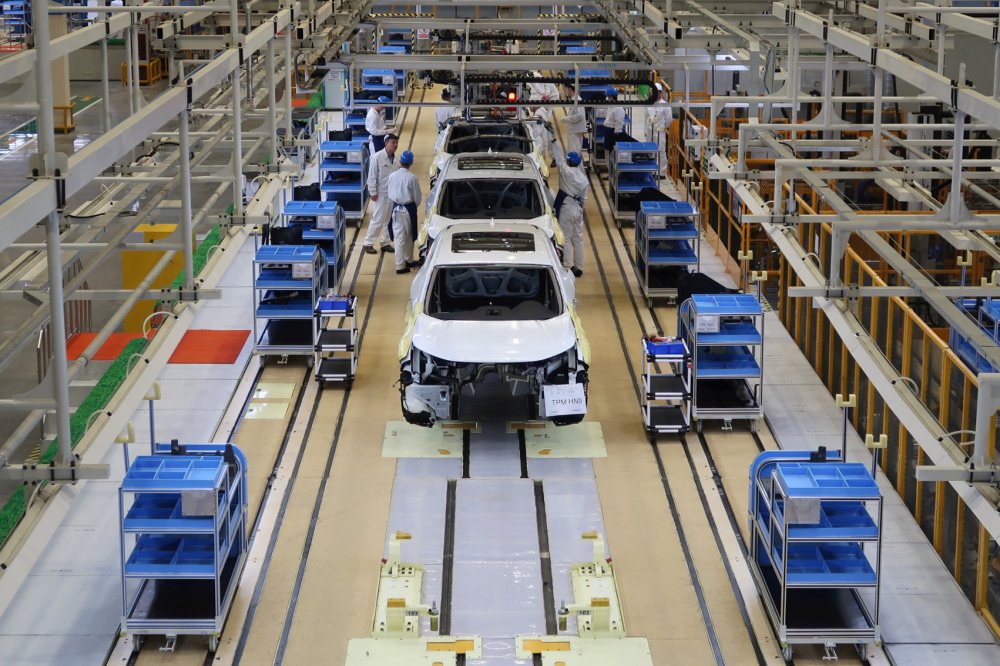
Rwanda has approved an investment agreement with Chery Holding Rwanda Ltd to establish an electric vehicle assembly plant in the country, as the government accelerates its shift towards cleaner transport.
The agreement was approved by the Cabinet on September 19, 2026, during a meeting at Village Urugwiro.
The project is part of Rwanda’s efforts to reduce the use of petrol- and diesel-powered vehicles and expand electric mobility.
Fully electric vehicles, batteries and charging equipment imported into Rwanda are exempt from value-added tax until June 30, 2028.
Rwanda aims to have electric vehicles account for at least 20% of passenger vehicles by 2030, with the share expected to reach 50% over the following decade.
The government is also targeting a 38% reduction in greenhouse gas emissions by 2030. Vehicles are estimated to account for about 12% of the country’s greenhouse gas emissions.
Kigali announced in 2025 that it would no longer allow new petrol- or diesel-powered buses to operate in the city’s public transport system.
The African Development Bank also launched a tender in August 2026 to procure 34 electric buses and related charging infrastructure as part of efforts to support the transition to cleaner public transport.
Rwanda had 512 fully electric vehicles in 2024, while 6,660 vehicles were hybrids, according to the latest available figures.
The Chery plant is expected to increase the supply of electric vehicles on the local market and support the development of Rwanda’s automotive manufacturing sector.
Chery has already established operations in Rwanda, enabling customers to buy its vehicles locally rather than importing them directly.
Its Rwandan operations have introduced several electric models, including the Chery QQ3, iCAR V23 and iCAR V27 HiIMLA.
Chery Holding Group was founded in China in 1997. Its automotive subsidiary, Chery Automobile, was the first Chinese automaker to record domestic sales of more than one million vehicles.
The group ranked 385th on the Fortune Global 500 in 2024, based on revenue.
Chery says its electric vehicles can reduce operating costs by between 77% and 86% compared with petrol- or diesel-powered vehicles, potentially lowering transport and fuel costs for Rwandan motorists.