Rwanda is expanding its biodiversity conservation efforts beyond national parks and wetlands, with a new five-year plan that will integrate environmental protection into agriculture, urban planning, infrastructure development and other areas of the economy.
The approach is outlined in the country’s updated National Biodiversity Conservation Action Plan (NB-CAP), which will guide efforts to conserve and restore biodiversity and ecosystems through 2030.
Among its targets is the restoration of at least 10% of degraded land, the restoration of water sources in areas that have dried up and the rehabilitation of wetlands to restore their ability to support diverse ecosystems.
The government says effective biodiversity conservation requires action beyond formally protected areas.
Faustin Munyazikwiye, Deputy Director General of the Rwanda Environment Management Authority (REMA), said the plan is built around three pillars: conserving biodiversity, restoring degraded ecosystems and ensuring communities benefit from the resources and services provided by nature.
“The first part focuses on how to conserve biodiversity, including animals and plants. The second focuses on restoring biodiversity and ecosystems where they have been degraded, as well as how they are managed more broadly. The third focuses on how we share the benefits and resources that come from biodiversity,” he said.
Under the plan, biodiversity considerations will be incorporated into agricultural planning, urban expansion, infrastructure development, forest management and water-resource management over the next five years.
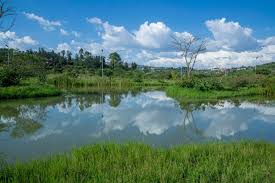
Wetland rehabilitation is already demonstrating the potential impact of such conservation efforts.
In Nyandungu Wetland, restoration work has led to the return of a range of wildlife, including birds, lizards, snakes and frogs.
Officials say the recovery of these species shows that restoring the health of an ecosystem can also create conditions for wildlife to return.
Rwanda aims to conserve and effectively manage at least 11% of its land and water areas by 2030. Protected areas currently cover about 9.1% of the country’s total area.
The government also links biodiversity conservation to efforts to address climate change, as changing weather patterns increasingly affect ecosystems and communities.
Planned initiatives include major environmental conservation and climate-resilience projects in areas such as the Congo-Nile Ridge, Mayaga and the volcanic belt.
Communities expected to benefit from conservation
The Rwanda Nature Foundation says conservation programmes should deliver tangible benefits to communities living near protected areas and other conservation sites.
Its Executive Director, Eugene Mutangana, told RBA that more of the economic benefits generated by conservation, particularly tourism, should reach local communities.
“Another aspect will be increasing the funds going to communities as revenue generated from tourism in national parks increases, including the 10% allocation, while also looking at how projects that benefit communities and generate income can continue to expand,” he said.
The plan also calls for stronger waste-management measures, action against invasive species that threaten native biodiversity, expanded tree and vegetation planting, and more sustainable approaches to the use and processing of natural resources.
REMA estimates that at least $500 million will be required to achieve the plan’s targets by 2030.
Munyazikwiye said the funding will be mobilised through collaboration among international organisations, government institutions, development partners and private-sector actors.
“This includes international organisations, institutions with national responsibilities, different partners, private-sector actors and others, so that we can combine our efforts and achieve this goal,” he said.
The five-year plan marks a broader approach to environmental conservation in Rwanda, positioning biodiversity protection as part of national development rather than an issue limited to national parks and wetlands.
Under the new approach, environmental considerations are expected to be incorporated into decisions on agriculture, urban development, infrastructure and economic activity.