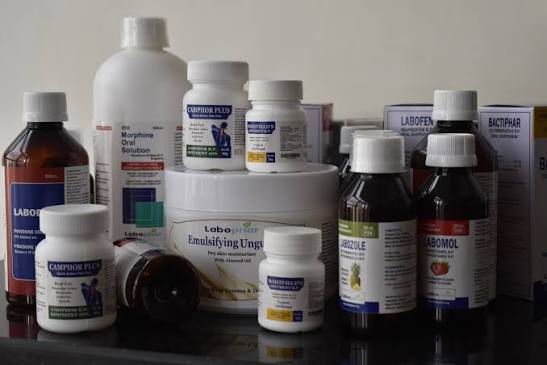
Rwandan pharmaceutical manufacturers are expected to find it easier to access markets across Africa following the launch in Kigali of two centres designed to support the continent’s pharmaceutical industry and strengthen medicine regulation.
The centres are linked to the African Medicines Agency (AMA), which aims to harmonise medicine regulatory systems across African countries, making it easier for medicines to be approved and marketed across the continent.
AMA Director-General Dr Delese Mimi Darko said Africa needs to strengthen its pharmaceutical manufacturing capacity to reduce its heavy reliance on imported medicines.
“Africa must not remain a continent that depends heavily on medicines manufactured elsewhere in the world. Our researchers and manufacturers need a supportive regulatory environment that provides timely, science-based guidance and clearly explains the requirements for medicine regulation,” she said.
Yvan Butera, Minister of State in the Ministry of Health, said Rwanda also expects to benefit from the initiative through increased investment, growth in local pharmaceutical manufacturing and stronger regulatory capacity to ensure medicine quality.
He said Rwanda was committed to supporting AMA in becoming a trusted institution that brings African countries together and helps ensure people have access to quality medicines.
Rwandan pharmaceutical manufacturers say that, in the past, medicines produced in Rwanda had to undergo separate assessments by regulatory authorities in every African country where companies wanted to sell them. This increased the time and cost required to secure market approval.
Dr Serge Kwibuka Bizaza, a pharmaceutical expert at Labophar, said the process had been a major obstacle for Rwandan manufacturers seeking to expand into other African markets.
“Our medicines could not simply cross the border and enter another country. We had to submit a separate application for each medicine in every country, undergo another independent assessment and wait for approval before they could be used or sold,” he said.
He noted that Labophar has the capacity to produce more medicines than the Rwandan market requires, but regulatory barriers have limited its ability to reach international markets.
“Our market accounts for only one-third of what our factory can produce. We had therefore reached a point where we needed to supply international markets, particularly in Africa and neighbouring countries. That is why we believe AMA has come at the right time. Our products are ready for the market; what we have been waiting for is approval from other African countries,” he said.
Available figures show that although Africa bears nearly a quarter of the world’s disease burden, it produces only about one per cent of the vaccines used on the continent. More than 70 per cent of the medicines consumed in Africa are imported.
One of AMA’s targets is to enable Africa to manufacture 60 per cent of the vaccines it needs, strengthening the continent’s capacity to meet its healthcare requirements and narrowing the gap between local production and demand.
For Rwanda’s pharmaceutical manufacturers, streamlined medicine approval across African markets could open up opportunities to increase production, expand exports and compete more effectively across the continent.