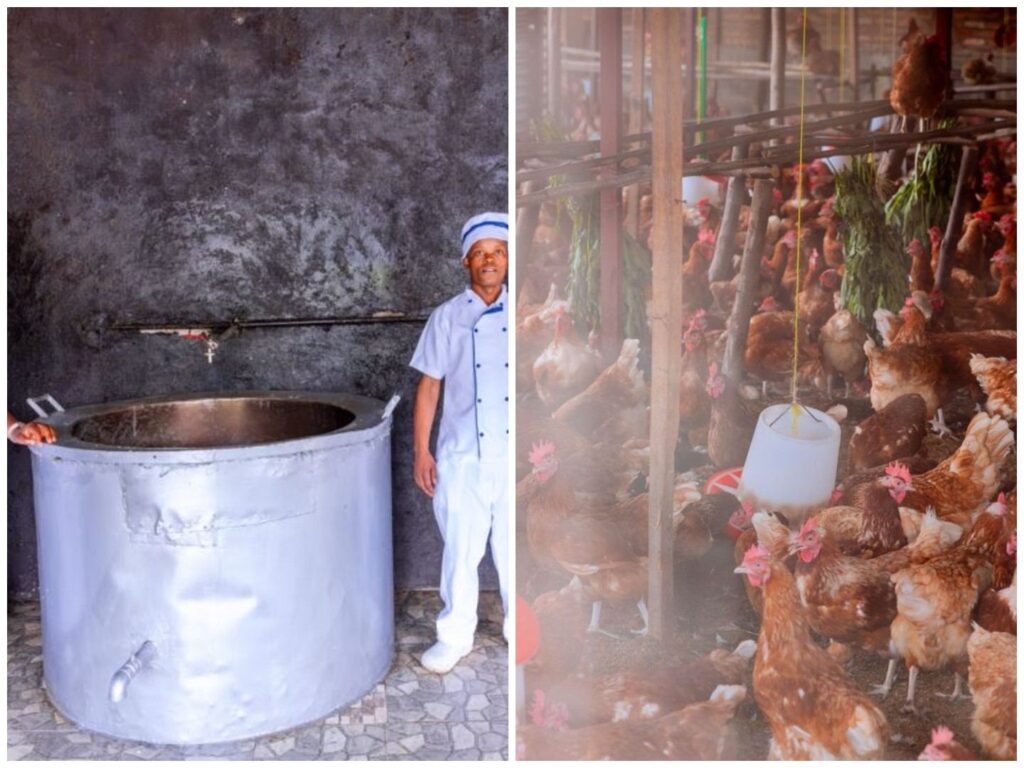
Rwanda is continuing to improve its school feeding programme, having installed modern smoke-free cooking stoves in 244 schools across 29 districts to improve food hygiene, reduce fuel costs and protect the environment.
The stoves were provided by the Ministry of Education in partnership with UNICEF Rwanda, as part of a plan to equip 288 schools.
During a visit by the Ministry of Education to GS Gasaka in Nyamagabe District on November 11, 2026, students said the new cooking system had improved food preparation, reduced cooking time and eliminated smoke that previously made conditions difficult in the kitchen.
One student said the meals were previously prepared in smoky kitchens, leaving food such as cassava flour darkened by smoke and exposing cooks to unhealthy conditions.
“We used to eat food affected by smoke, and the cassava flour would turn black. The cooks were also constantly surrounded by smoke. Now, food is prepared hygienically and served on time,” the student said.
The school’s headteacher, Martin Hagenimana, said the stoves had cut firewood expenses by nearly half. Previously, the school spent more than RWF 1.6 million on firewood each term, but now spends about RWF 800,000.
He added that the new cooking system had also improved food quality and made meal preparation faster.
Jean Damascène Nsengimana, Director General in charge of school health and welfare at the Ministry of Education, said authorities were also considering arrangements for schools to share kitchens to reduce operational costs and firewood consumption.
Schools turn to farming and livestock to improve students’ meals
Beyond improving cooking facilities, some schools have started growing their own food and raising livestock to provide students with more nutritious meals.
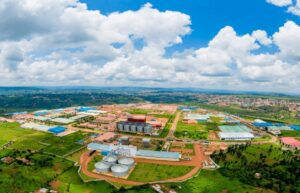
One example is École Notre-Dame de la Providence, located in Karubanda, Huye District. The school uses 10 hectares of land for farming and livestock activities that support meals for its 685 students.
It grows vegetables and fruits, including eggplants and tomatoes, and keeps more than 1,000 chickens, eight cows, 64 rabbits and about 40 pigs.
The school’s headteacher, Sister Clothilde Ayimana, said the initiative had improved students’ nutrition and reduced the health problems they previously experienced.
“Before we started this programme, many children frequently fell ill, but cases of illness have now decreased by 98%. We attribute this improvement to their better living conditions, supported by the food we grow ourselves,” she said.
School feeding programme reaches millions of learners
Rwanda’s National School Feeding Programme was launched in 2019 to combat hunger and malnutrition, improve learning outcomes and reduce school dropout rates.
The programme was further strengthened through the ‘Dusangire Lunch’ campaign, which helped ensure that more than four million learners received lunch at school in 2025.
Government funding for the programme has also increased significantly, rising from RWF 35 billion in 2021 to RWF 152 billion.
The initiative continues to expand through the integration of farming, livestock rearing and modern cooking technologies, with the aim of ensuring that children receive nutritious meals at school.