Rwanda has saved $6.5 million through efforts to promote resource-efficient industries and reduce greenhouse gas emissions, as small and medium-sized enterprises have cut energy consumption and minimised the environmental impact of their operations.
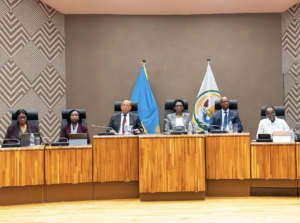
The figures were highlighted by Prime Minister Dr Justin Nsengiyumva during a high-level dialogue on investment opportunities in green industries held in Antalya, Türkiye, on November 11, 2026.
He said Rwanda’s efforts to promote industries that use energy and natural resources efficiently were delivering economic benefits while helping the country address climate change.
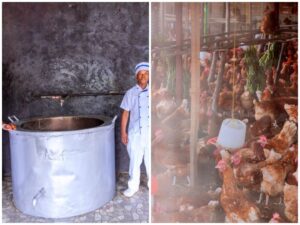
The Resource Efficient and Cleaner Production Programme has recorded significant results among industries and small and medium-sized enterprises that adopted measures to improve their use of energy and production materials.
Figures presented by the Prime Minister show that the programme received an investment of $5 million but generated savings of $6.5 million for participating businesses. It also helped reduce their energy consumption by more than 41 million megajoules.
The initiative has further cut greenhouse gas emissions, particularly carbon dioxide (CO₂), by more than 30,000 tonnes annually. This reduction is equivalent to the emissions that would be avoided if more than 6,500 vehicles were taken off the road.
Nsengiyumva said the results demonstrate that environmental protection can go hand in hand with increased business profits, industrial growth and job creation.
He added that Rwanda aims to continue attracting investors to projects that contribute to building a green economy.
Key investment areas highlighted include renewable energy, clean cooking technologies, electric vehicles, sustainable agriculture, the circular economy and modern cooling technologies.
These priorities are aligned with Rwanda’s Vision 2050 ambition to build a green economy, supported by sustainable development and climate resilience programmes, as well as the country’s Nationally Determined Contribution (NDC 3.0) to reducing greenhouse gas emissions.
The Prime Minister also identified the cooling and cold-chain sector as a major investment opportunity, given the growing global demand for cooling services and equipment.
He explained that effective implementation of the Kigali Amendment to the Montreal Protocol could help prevent global temperatures from rising by as much as 0.5 degrees Celsius by 2100.
Beyond its climate benefits, growth in the sector could create jobs in the manufacture and repair of cooling equipment, cold storage of agricultural produce and other perishable goods, and transportation of products under temperature-controlled conditions.
Rwanda has put in place measures including a National Cooling Strategy, energy-efficiency standards for cooling appliances and mechanisms to support investment projects in the sector.
Prime Minister urges financial institutions to support green investment
Nsengiyumva called on development partners and financial institutions to help environmentally friendly projects access capital, particularly through low-interest loans, guarantees, blended finance and funding generated through emissions-reduction initiatives.
He emphasised the need for practical partnerships that go beyond agreements and commitments to deliver measurable results in economic development, people’s livelihoods and environmental protection.
Rwanda is participating in the meeting to seek financial support and investment for climate-related projects. It is also calling on countries to honour the commitment made at COP29 to provide $300 billion annually to help developing countries address climate change.