On April 17, 1994, the genocide against the Tutsi escalated sharply, with coordinated killings carried out across the country as authorities intensified efforts to exterminate Tutsi populations.
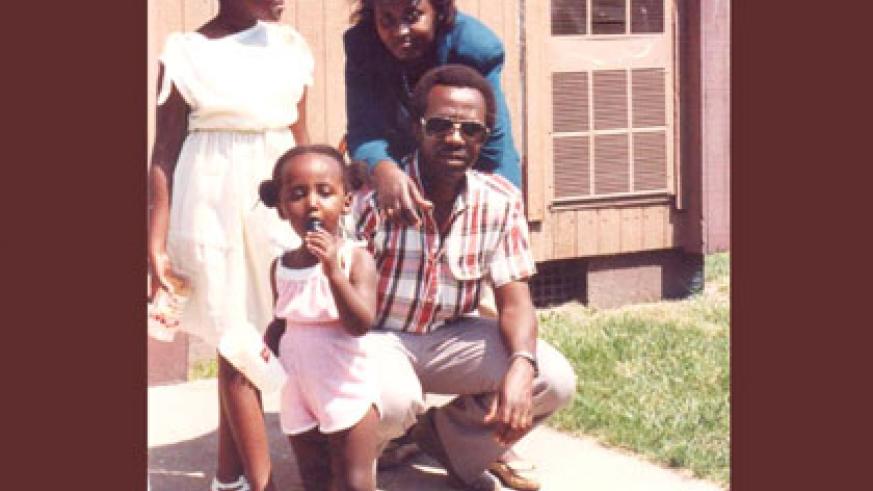
The day was marked by the arrest of Jean Baptiste Habyarimana, then Prefect of Butare, who had opposed the killings. He was later murdered alongside members of his family.
A Council of Ministers meeting held the same day praised local officials who were actively executing the genocide, while criticizing leaders in Butare and Kibungo for not fully complying—signaling a nationwide push to accelerate the atrocities.
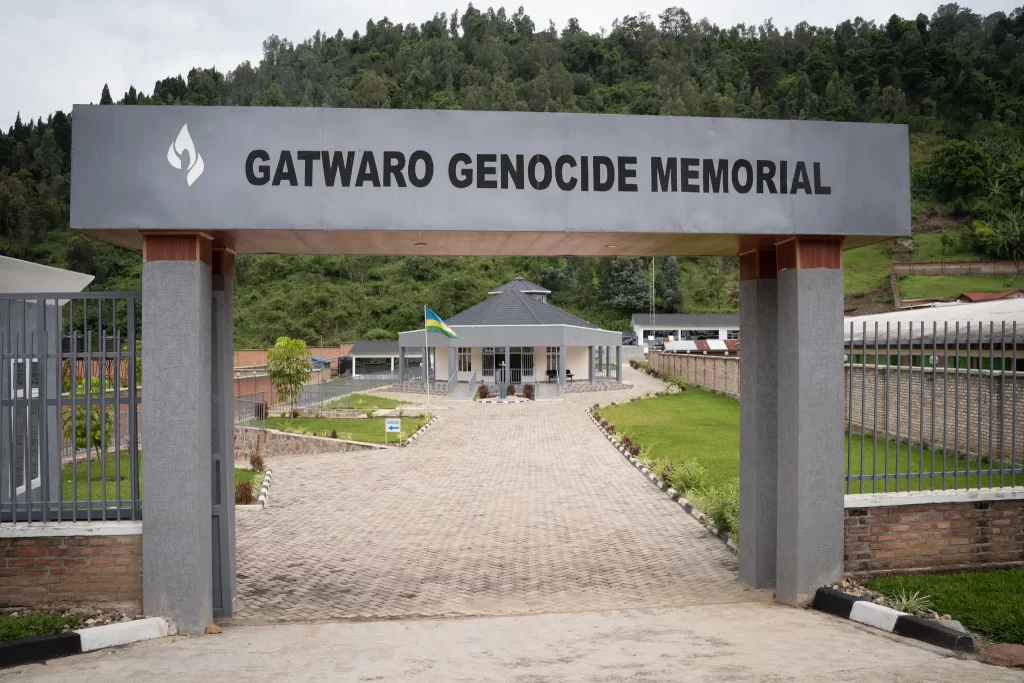
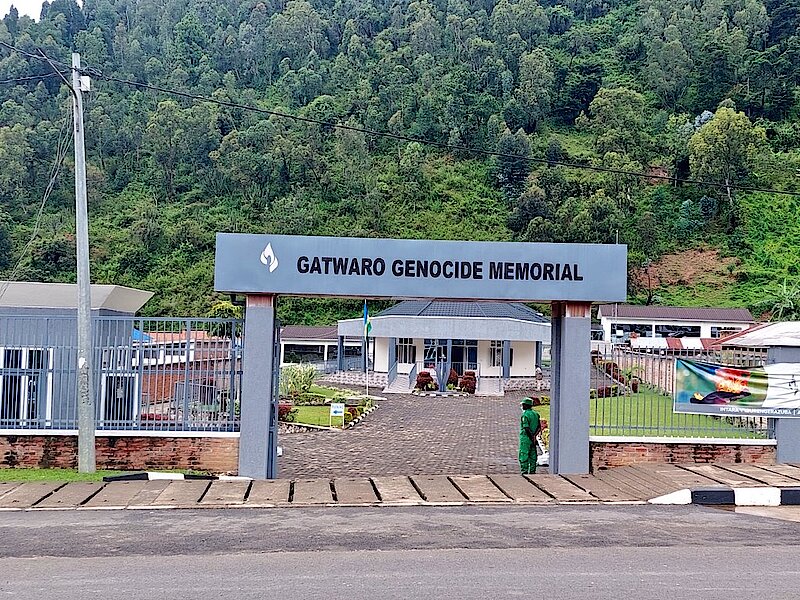
In Kibuye, one of the deadliest massacres occurred at Gatwaro Stadium, where more than 12,000 Tutsi who had sought refuge were killed by Interahamwe militias and local perpetrators. Their bodies were later dumped into mass graves.
The then Prefect of Kibuye, Dr. Clément Kayishema, was among those implicated in the killings and was later convicted by the International Criminal Tribunal for Rwanda (ICTR) and sentenced to life imprisonment.
Between April 17 and 18, thousands of Tutsi who had taken refuge at Simbi Parish, ES St. Jean Bosco school, and Maraba football field in what is now Huye District were also massacred.
In the same region, an estimated 11,000 Tutsi were killed at Kibuye Catholic Church and Home St. Jean. Those who attempted to escape were pursued and thrown into Lake Kivu. Only a small number survived.
Elsewhere, mass killings were reported in several parts of the country. In Kigali and surrounding areas, Tutsi from Ndera, Rubungo, Jurwe, Murindi, Gasogi, Kanombe and Remera were killed at CARAES Ndera.
In Rwamatamu, now part of Nyamasheke District, Interahamwe launched a large-scale attack, killing Tutsi who had gathered there for safety. Survivors recount extreme brutality, including the murder of children and widespread sexual violence.
In the Eastern Province, killings were reported in Kayonza, Nyamirama, and in Rwamagana at Ruramira and Kabazeyi. In Munyaga, victims were deceived into leaving their hiding places before being killed.
Along the shores of Lake Muhazi, particularly at Kabara, Tutsi were massacred and their bodies thrown into the lake. Similar attacks were carried out in Bweyeye (Rusizi), Mubuga (Nyaruguru), and on Mwulire hill and in Sovu in Rwamagana, where entire groups of Tutsi were wiped out.
April 17 stands as one of the most brutal days in the 1994 Genocide against the Tutsi, reflecting the scale, coordination and intensity of the killings carried out across the country.