The growing involvement of communities living around Volcanoes National Park is being credited as an important factor in Rwanda’s efforts to protect mountain gorillas and expand their population.
Park authorities say communities that once faced the conservation of wildlife as a separate responsibility have increasingly become partners in protecting the park and its endangered species.
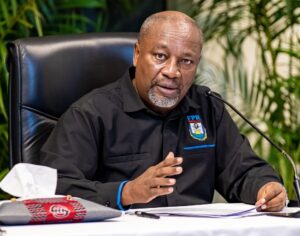
Prosper Uwingeri, director of Volcanoes National Park, said Rwandans living around the park had previously been viewed by some as unlikely to take responsibility for gorilla conservation.
“There used to be people with different views that we would not be able to take care of gorillas as Rwandans and as people living around the park, but we took responsibility for conserving gorillas and other wildlife in the park, and we have been able to do it,” Uwingeri said.
He said attitudes have gradually changed as communities have gained a better understanding of the importance of protecting the park and the benefits that conservation and tourism can bring.
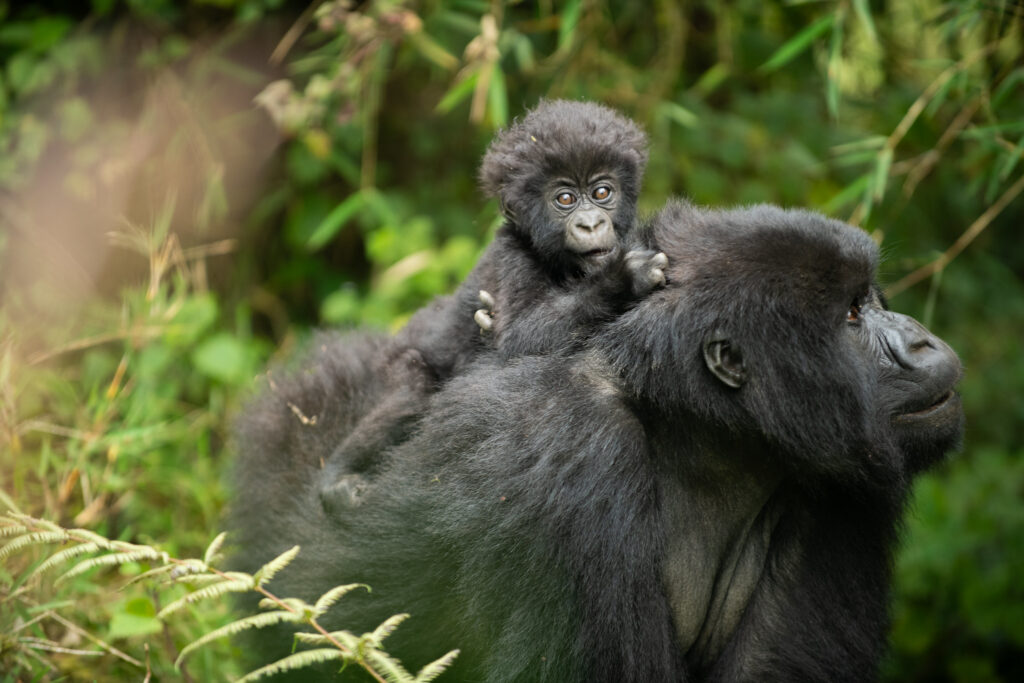
The shift has coincided with a significant increase in the mountain gorilla population. Rwanda’s conservation authorities report that the population in the Virunga Massif has continued to grow, with more than 600 mountain gorillas now living in the massif.
The broader mountain gorilla population, including gorillas in Uganda’s Bwindi Impenetrable National Park, has also continued to increase, making the species one of the rare conservation success stories among great apes.
Rwanda’s conservation model has increasingly linked wildlife protection with community development. Through the Tourism Revenue Sharing Programme, communities around national parks receive a share of tourism revenues for development projects. RDB reported in 2026 that Rwf23 billion had been invested in nearly 1,300 community projects around Rwanda’s national parks.
For communities around Volcanoes National Park, the connection between conservation and livelihoods has helped strengthen support for protecting the animals and their habitat.
The African Wildlife Foundation has also reported examples of residents around the park voluntarily participating in negotiated land arrangements connected to conservation and park expansion, reflecting a growing emphasis on cooperation between communities and conservation authorities.
The annual Kwita Izina gorilla naming ceremony, launched in 2005, has further promoted public awareness of gorilla conservation and community participation. The event has become a national platform for celebrating conservation achievements and highlighting the relationship between biodiversity protection and sustainable tourism.
Gorilla tourism remains an important part of Rwanda’s tourism economy, while conservation programmes provide opportunities for communities around protected areas to benefit from the sector.
For Volcanoes National Park authorities, however, the conservation goal extends beyond increasing the number of gorillas. They argue that long-term protection depends on maintaining cooperation among local communities, government institutions, conservation organisations and tourism stakeholders.
The experience around Volcanoes National Park suggests that involving people living closest to wildlife can be an important part of protecting endangered species while creating economic incentives for conservation.
As Rwanda continues efforts to protect its mountain gorillas and expand their habitat, community participation remains central to maintaining the conservation gains achieved over the past two decades.