Fred Ibingira has praised the leadership demonstrated by Paul Kagame during the struggle to stop the 1994 Genocide against the Tutsi, describing it as the foundation of the governance and progress Rwanda is experiencing today.
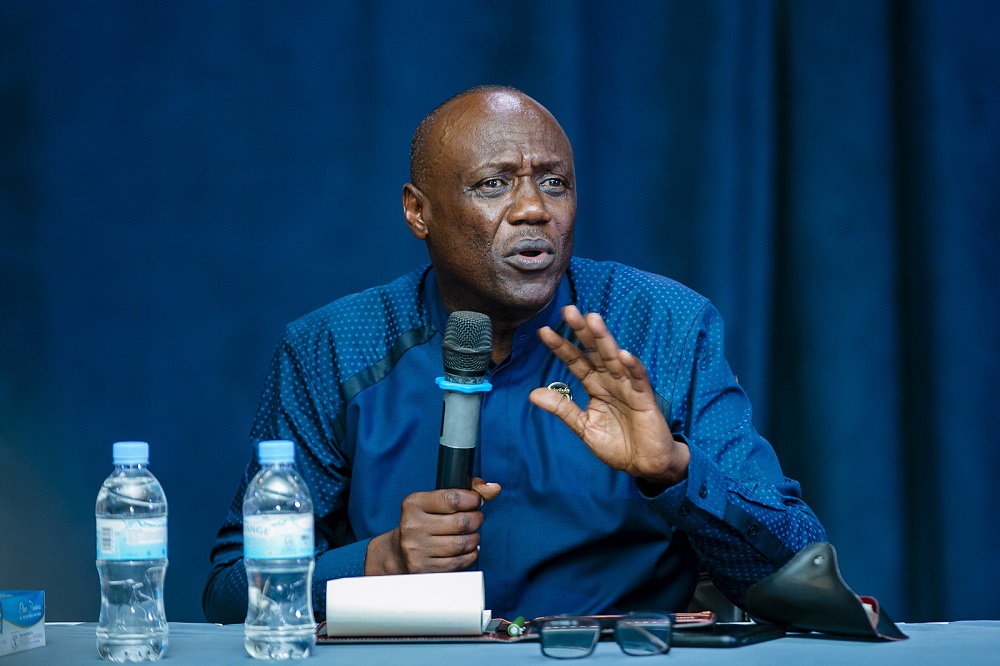
Speaking during a dialogue that brought together members of Unity Club over the weekend, Gen Ibingira said Rwanda was fortunate to be led by a commander whose vision and determination guided the country through one of the darkest chapters in its history.
“We are fortunate as Rwandans and as Inkotanyi to have been led by Afande,” Gen Ibingira said.
He explained that the campaign to stop the genocide was not the first liberation struggle fought by the former Rwanda Patriotic Army (RPA), noting that many of its fighters had previously participated in Uganda’s liberation war before returning to liberate Rwanda.
“This was not the first liberation struggle we had fought. We had come from abroad after helping liberate another country, but this was the first war we fought to stop the Genocide against the Tutsi,” he said.
According to Gen Ibingira, the discipline, courage and strategic leadership Kagame displayed during the liberation struggle were early indicators of the governance style that later drove Rwanda’s reconstruction and development.
“The achievements that surprise many people today are not miracles to us. We saw those leadership qualities from the very beginning,” he said.
Gen Ibingira revealed that the liberation struggle was initially entrusted to two commanders — Fred Gisa Rwigema, who was later killed, and Paul Kagame, who at the time was attending military training abroad before deciding to abandon his studies and return to lead the struggle.
He added that former soldiers of the RPA and FAR, now united under the Rwanda Defence Force, often acknowledge that some of the war’s most decisive offensives, including the battles of Gatuna and Ruhengeri, were launched after Kagame joined the frontline command.
Gen Ibingira also urged young people to draw inspiration from Kagame’s role during the liberation struggle, emphasizing that he too was a young man when he took the decision to join the fight for Rwanda’s liberation.
“The youngest among us at that time made history. We want today’s youth to also make history so that Rwanda continues to enjoy peace and never again witnesses Rwandans fleeing from one another,” he said.
The discussion formed part of ongoing reflections on Rwanda’s liberation journey and the leadership values that continue to shape the country’s unity, security and development trajectory more than three decades after the genocide.